




Edwardian Electric Lamp
An edwardian electric lamp brings period weight to a room, combining early electrical wiring with heavy metals and classical column forms.
Edwardian Electric Lamp
When you search for an edwardian electric lamp, you encounter lighting fixtures that bridge the gap between traditional oil burning and the dawn of domestic electricity. The listings on this page show table lamps and wall lights originating primarily from the early twentieth century, alongside Victorian pieces and later adaptations.
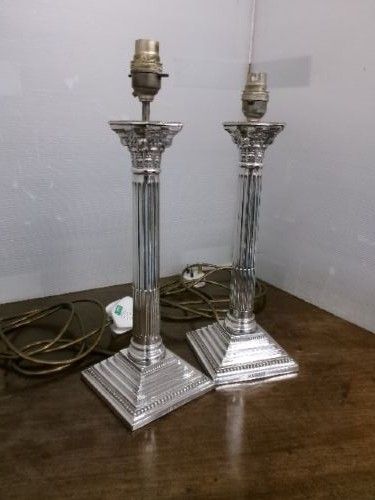
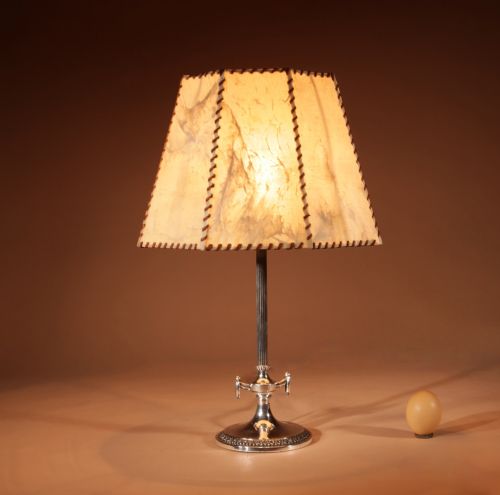
The most frequent iteration you will meet is the silver plated or brass Corinthian column table lamp, often dated around nineteen ten. Alongside these classical column designs, the selection includes converted oil lamps featuring opaline glass and enamel, as well as distinct Arts and Crafts and Jugendstil forms.
Materials and Construction
The primary metals shaping these pieces are brass and silver plate, frequently worked into heavy architectural columns and wall sconces. Sterling silver, bronze, patinated metal, and polished white metal also appear, providing different weights and finishes for domestic interiors.
Many examples demonstrate conversion techniques, shifting older oil lamps or wall mounted fixtures into electricity during the early twentieth century. Glass elements such as opaline shades combine with metal bases, while parchment leather and fabric introduce softer textures to the construction.
Edwardian Electric Lamp Retail Price Guide 2026
Typical asking prices for edwardian electric lamp among the pieces listed under this phrase on Sellingantiques today, from the lower quarter to the upper quarter. They describe what is for sale here now, not the wider market.
Listings feature table lamps and wall lights spanning brass, sterling silver, silver plate, bronze, and opaline glass.
Assessing Quality
Quality rests in the weight of the metal and the crispness of the casting, particularly visible in the fluting and capitals of Corinthian column lamps. Substantial silver plate over solid brass bases indicates higher manufacturing standards than lighter, unplated white metal alternatives.
The distinction between standard production and top tier work shows in attribution and detail, such as lion's paw feet or hand enamelled glass. Original components and signed maker work elevate an object above simple domestic utilitarian lighting.
WAS Benson·Walter Latham & Son
The Edwardian Electric Lamp Glossary
- Corinthian column
- A classical architectural form featuring ornate capitals decorated with acanthus leaves, frequently utilised for tall table lamps. This design remained popular across the late nineteenth and early twentieth centuries.
- Opaline glass
- An opaque, milky white glass often used for shades and reservoirs on converted oil lamps. It diffuses light softly and dates frequently to the Victorian and Edwardian periods.
- Jugendstil
- The continental European variant of Art Nouveau, characterised by flowing organic lines and natural motifs. Pieces in this style contrast sharply with strict classical revival columns.
- Converted oil lamp
- A fuel burning lamp adapted for electrical use by running wiring through the original font and burner. This process preserves the decorative base while updating the functional mechanism.
- Patinated metal
- Metal treated with chemicals or heat to produce a deliberate surface finish rather than a bright polish. This treatment deepens the visual tone of brass and bronze pieces.
Edwardian Electric Lamp: Frequently Asked Questions
How do I identify an Edwardian lamp?
Look for heavy brass or silver plated construction, classical column motifs, and early twentieth century wiring configurations. Dates often cluster around nineteen hundred to nineteen ten.
Compare the proportion and weight of the metal against later reproductions to confirm period manufacture.
Can converted oil lamps be used safely today?
Most converted lamps require professional rewiring to meet modern electrical safety standards before daily use. A qualified electrician can replace old internal cords while preserving the antique metal and glass exterior.
Ensure the bulb fitting matches contemporary safety requirements without altering the vintage shade or burner assembly.
What styles are common in these lamps?
Neoclassical column designs dominate the selection, particularly silver plated Corinthian forms with stepped or footed bases. Arts and Crafts, Art Deco, and Jugendstil examples also appear.
Victorian oil lamp conversions add alternative silhouettes featuring opaline glass and enamelled metal.
Where were these lamps placed originally?
Table lamps stood on heavy mahogany sideboards, desks, and occasional tables in principal reception rooms. Wall lights and sconces illuminated hallways and darker corners where central gas or electric pendants fell short.
Their substantial weight provided stability on polished wooden furniture before the widespread use of lightweight plastics.