



Edwardian Desk Knife
These edwardian desk knife pieces are refined writing accessories that bring practical elegance to a correspondence table.
Edwardian Desk Knife
When you search for an edwardian desk knife, you are looking at items designed to slice open envelopes and turn pages cleanly. The pieces seen here span the Edwardian period, George V reign, and the wider nineteenth and twentieth centuries.
The most common forms on this page include sterling silver and silver-mounted letter openers, page turners, and desk accessories. Makers utilised diverse materials to create functional items for the home office.
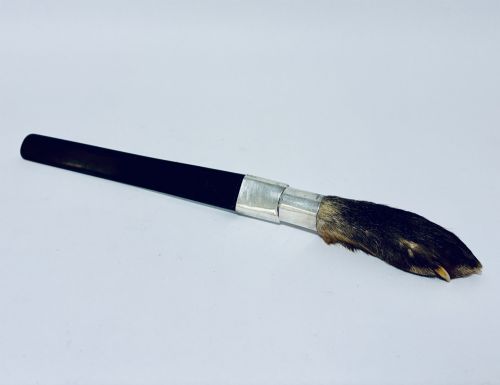
Originating largely from British workshops and towns such as Chester and London, these desk tools reflect the stationery habits of past eras. They range from simple silver blades to novelty animal forms.
How they were made
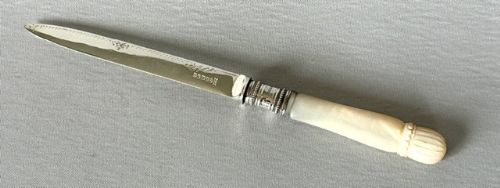
Makers fashioned these desk tools using precious metals alongside natural organic materials. Sterling silver and silver-plated mounts pair with tortoiseshell, mother-of-pearl, and Connemara marble.
Wood varieties such as yew and ebonised timber provide contrasting handles and bodies. Enamel work and detailed metal casting appear on specific novelty pieces like ducks and lizards.
Edwardian Desk Knife Retail Price Guide 2026
Typical asking prices for edwardian desk knife among the pieces listed under this phrase on Sellingantiques today, from the lower quarter to the upper quarter. They describe what is for sale here now, not the wider market.
Listings on this page feature materials including sterling silver, tortoiseshell, mother-of-pearl, Connemara marble, and yew wood.
What varies in quality
The standard of materials largely defines the tier of a piece, with solid sterling silver and genuine tortoiseshell marking the higher end compared to silver plate and ebonised wood. The presence of named makers and London assay marks elevates the standing of a desk accessory.
Artisanal detail also separates standard examples from exceptional ones. Novelty designs and specialist enamel work demonstrate greater workshop skill than plain utilitarian blades.
William Graeme·A. Barrett·Sampson Mordan and Co
The Edwardian Desk Knife Glossary
- Page turner
- A flat, tapered implement designed for separating uncut pages in books without tearing the paper. They often feature long blades made of mother-of-pearl or tortoiseshell.
- Letter opener
- A sharp or blunt blade utilised for slicing open sealed envelopes. These typically match the silver and handle materials of contemporary desk sets.
- Sterling silver
- A silver alloy containing ninety-two point five percent pure silver by mass. This standard metal appears frequently across Edwardian desk accessories.
- Tortoiseshell
- A material sourced from the shell of certain turtle species, used historically for decorative handles and page turner blades. It provides a translucent amber and brown pattern.
- Connemara marble
- A pale green metamorphic rock native to Ireland. It occasionally forms part of the decorative handle or body of a desk tool.
Edwardian Desk Knife: Frequently Asked Questions
What is an edwardian desk knife used for?
These tools were created to open mail and turn pages in books during a time when correspondence arrived daily in sealed envelopes. They sat on writing desks alongside inkwells and blotters.
Today they function as decorative desk accessories and remain practical for opening modern post.
How do I date an edwardian desk knife?
Dating relies on identifying assay office marks, maker stamps, and style cues recorded in the piece. Hallmarks often include specific date letters for London or Chester.
Materials such as tortoiseshell and mother-of-pearl combined with silver mounts also point towards the Edwardian era and the early twentieth century.
Are these desk knives made of solid silver?
Many examples feature blades or mounts made of sterling silver, often marked with lion passant hallmarks. Other items utilise silver plating over base metals.
Handles frequently incorporate non-metal materials like yew wood, mother-of-pearl, and tortoiseshell.
How should I care for a vintage desk knife?
Silver components benefit from gentle cleaning with a specialist cloth to maintain the metal without harming adjacent organic materials. Tortoiseshell and mother-of-pearl require dry dusting and protection from direct heat.
Storing them away from bright sunlight preserves the natural colours of the shell and wood.