


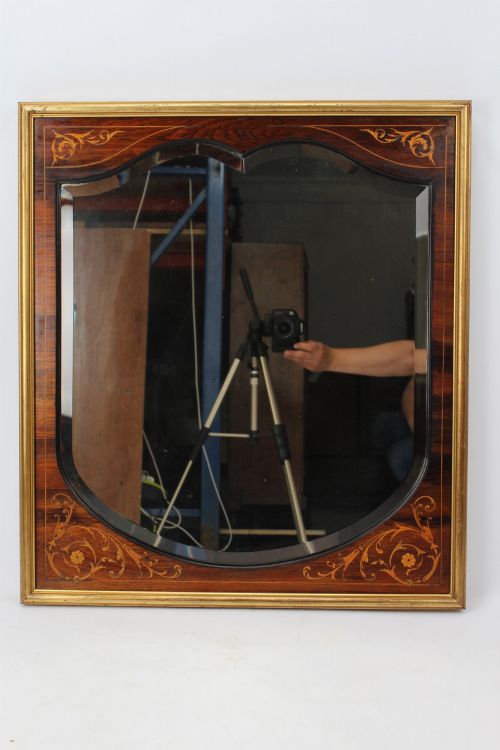
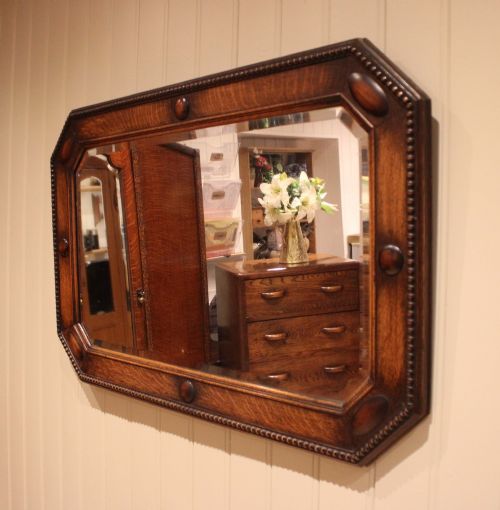
Edwardian Decorative Mirror
An Edwardian decorative mirror brings light and period character to a room, ranging from simple timber frames to ornate gilded designs.
Edwardian Decorative Mirror
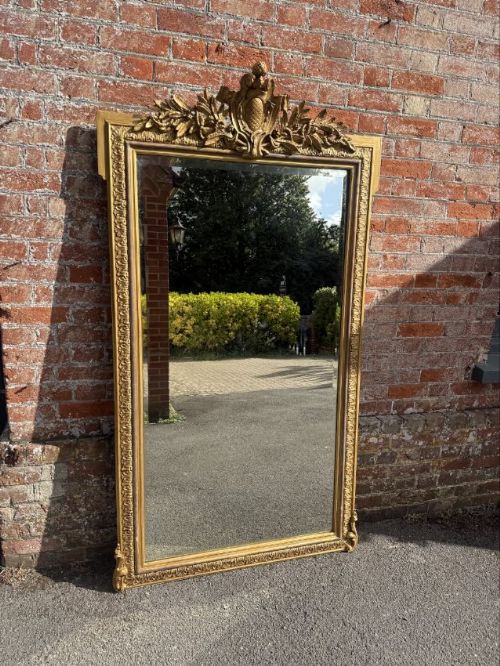
An edwardian decorative mirror encompasses a variety of wall-hanging and freestanding looking glasses produced around the turn of the twentieth century. The selection includes domestic wall mirrors, overmantels, and cheval mirrors alongside smaller accents like fire screens.
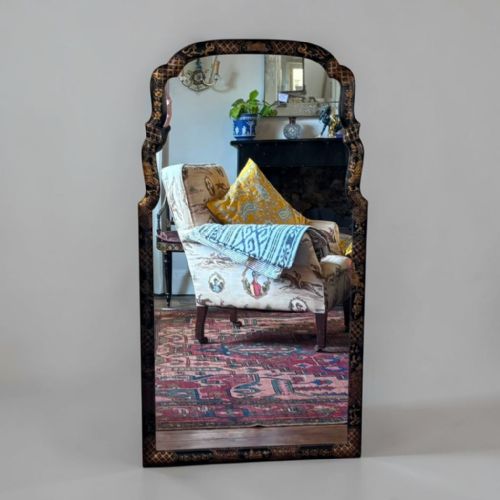
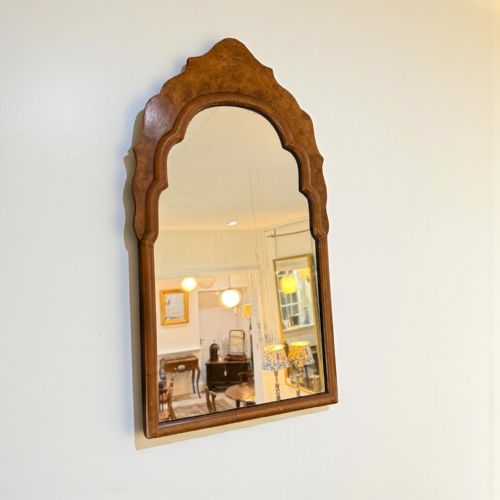
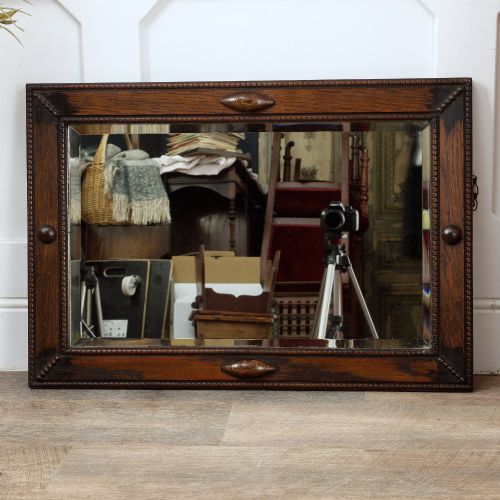
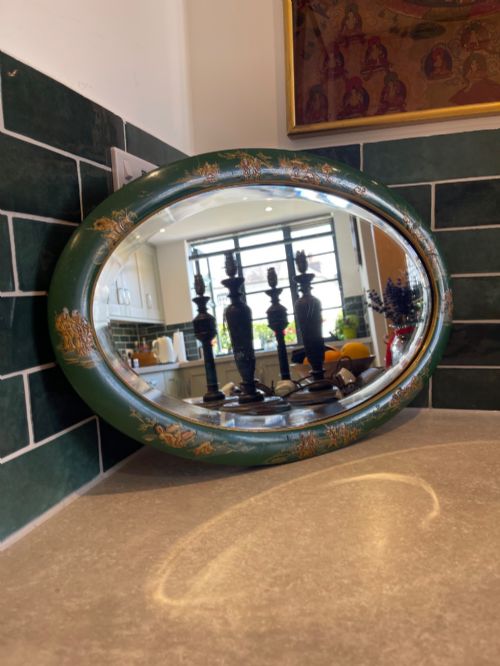
Most examples align with the Edwardian period or neighbouring late nineteenth and early twentieth-century eras. Common forms span simple oak and walnut frames, Chinoiserie styles, and copper or hammered metal Arts and Crafts pieces.
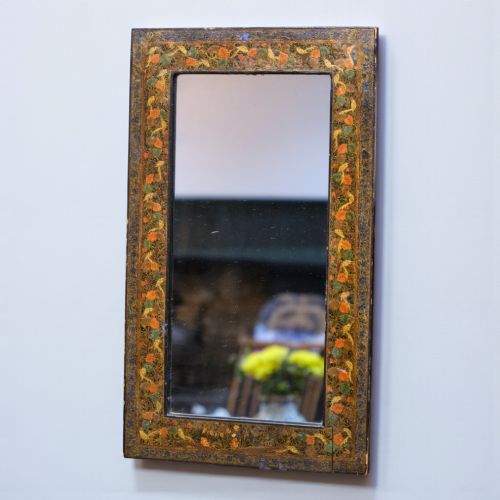
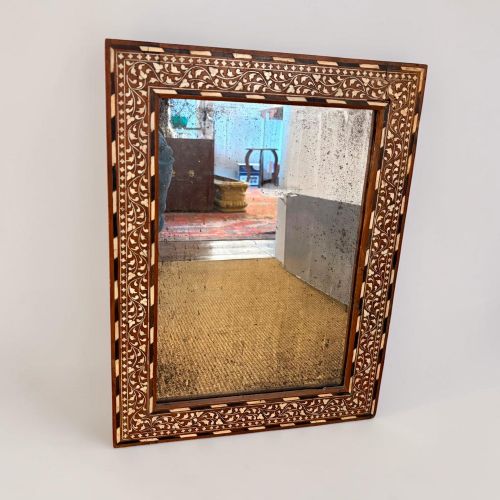
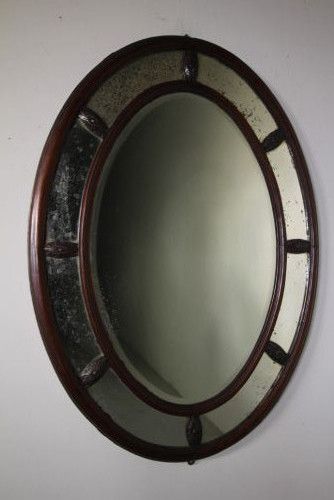
Origin variations introduce distinct aesthetic choices, from English country house mahogany to Venetian cut glass and Kashmiri craftsmanship. Buyers encounter both restrained domestic pieces and decorative revival styles.
How they were made
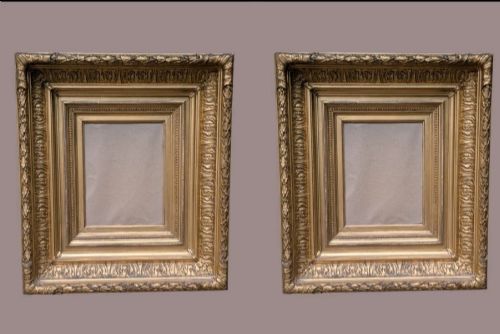
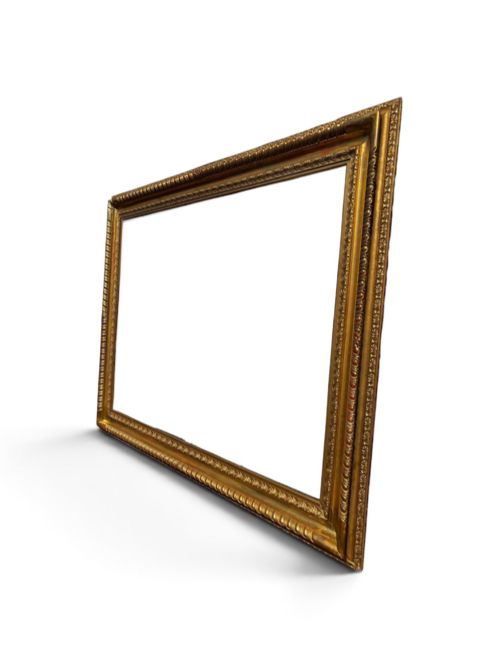
Makers utilised traditional timber construction, mounting mirror glass within frames of oak, mahogany, walnut, and ebonised wood. Carved wood and gesso provided the foundation for gilded finishes using gold leaf.
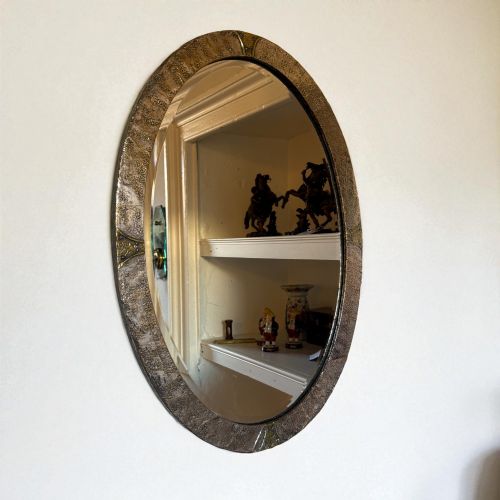
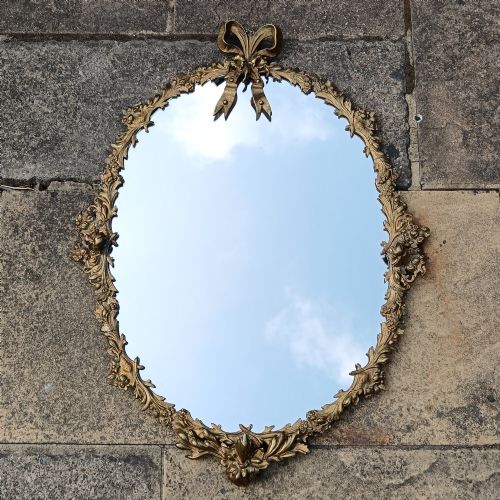
Metalworking techniques defined alternative styles, incorporating brass, bronze, and hand-beaten copper set with cabochons. Artisans also applied decorative elements such as floral gesso motifs and etched glass borders.
What varies in quality
The depth and crispness of carved wooden ornament and gesso moulding set examples apart. Superior items exhibit hand-finished detailing that retains sharp definition across scrolls, foliage, and architectural motifs.
The choice of framing materials and the clarity of the original mirror glass indicate workshop standards. Rich timber grains, substantial brass or copper gauges, and intact gilding separate standard domestic mirrors from finer decorative pieces.
The Edwardian Decorative Mirror Glossary
- Gesso
- A plaster-based material applied to wood frames and carved or moulded into decorative patterns before gilding. This mixture provides a smooth base for gold leaf.
- Overmantel Mirror
- A large mirror designed to hang above a fireplace mantelpiece. These pieces often feature arched tops and wide frames to reflect light across a room.
- Cabochon
- A polished, convex gemstone or glass inset lacking facets, frequently used to ornament metalwork. Arts and Crafts metal mirrors often feature these decorative focal points.
- Cheval Mirror
- A freestanding full-length dressing mirror mounted in a frame with pivoting pivots. This allows the glass to tilt to various angles.
- Giltwood
- Timber carved and coated with gold leaf or metallic paint. It forms the shimmering surface seen on many period revival frames.
Edwardian Decorative Mirror: Frequently Asked Questions
Where should I hang an edwardian decorative mirror?
These mirrors suit entrance halls, living rooms above mantelpieces, or bedrooms as dressing accessories. Their frames reflect natural light and open up smaller interior spaces.
Consider the scale of the wall space and the weight of the frame when selecting a hanging location. Heavier timber and gesso pieces require secure wall fixings.
How do I identify an edwardian decorative mirror?
Look for characteristic design elements of the early twentieth century, such as Arts and Crafts hammered metal, simple oak framing, or light floral gesso decoration. Materials and construction methods align with the period.
Many pieces also carry stylistic influences from earlier revivals like Chinoiserie or Louis XVI. Examining the backing boards and mirror glass helps confirm age.
Are these mirrors suitable for daily use?
Most pieces function well for everyday reflection in domestic settings. Cheval mirrors and wall-mounted dressing glasses remain practical for grooming.
Original mirror glass may show light foxing or age spots, which adds period charm without impairing utility. Gentle cleaning keeps the glass and frames in good condition.