


Edwardian Decorative Frame
Edwardian decorative frames deliver distinctive period craftsmanship in sterling silver, brass, and carved wood.
Edwardian Decorative Frame
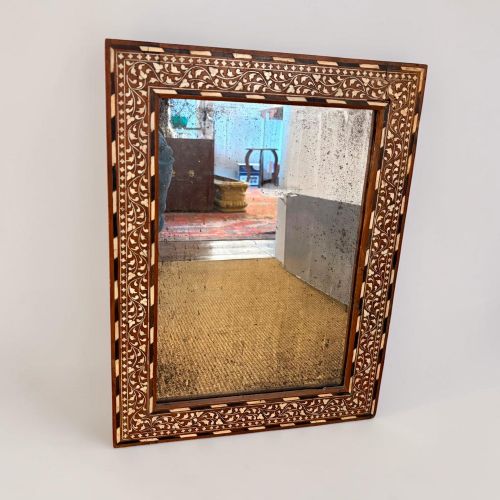
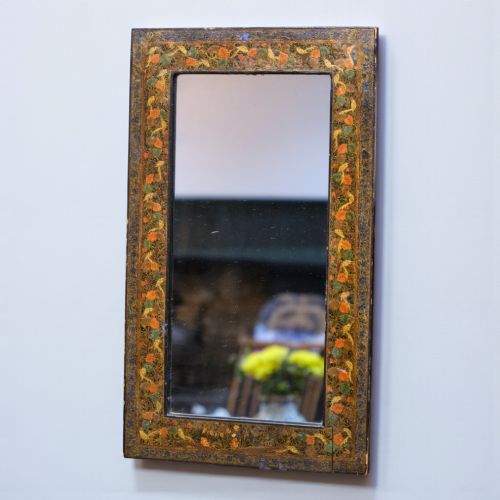
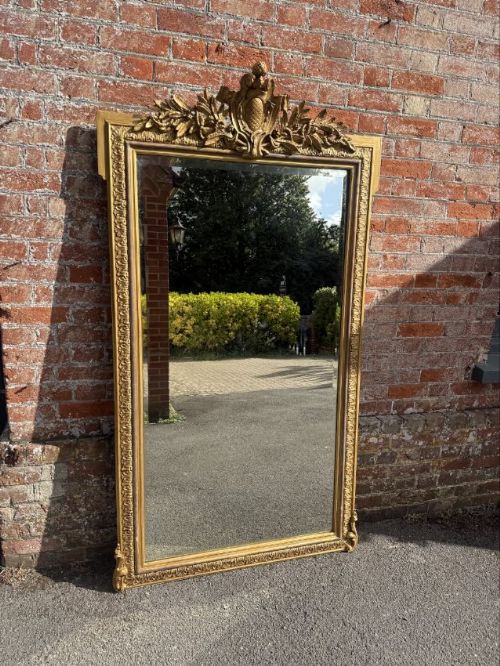
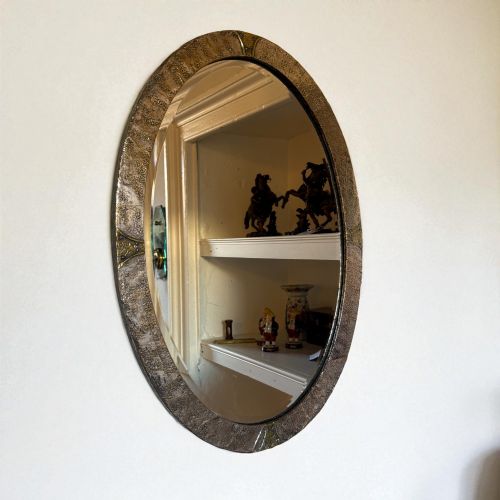
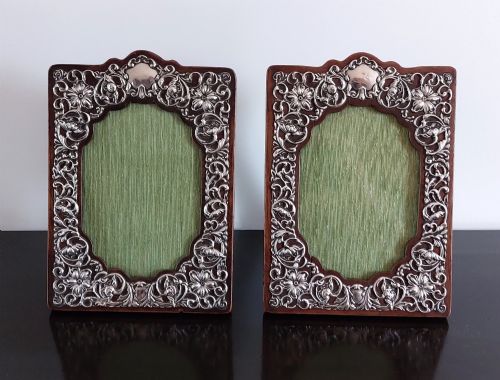
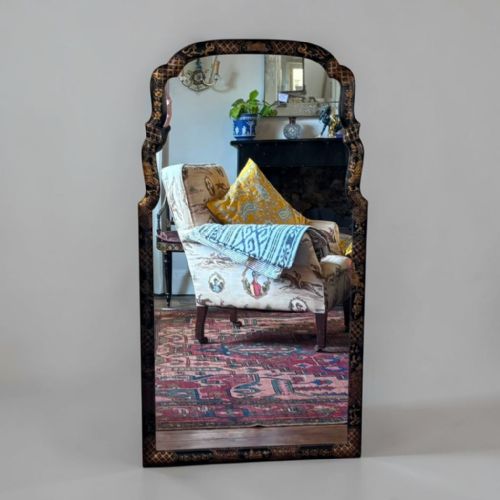
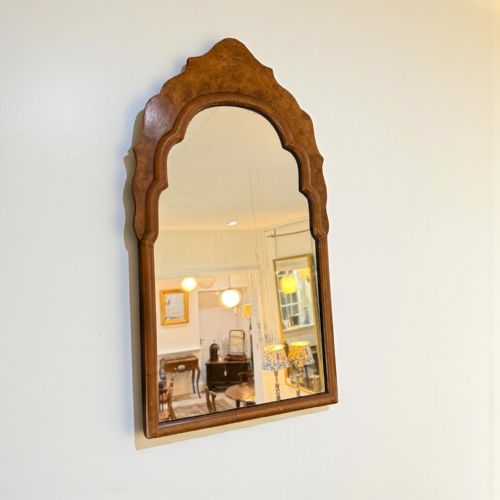
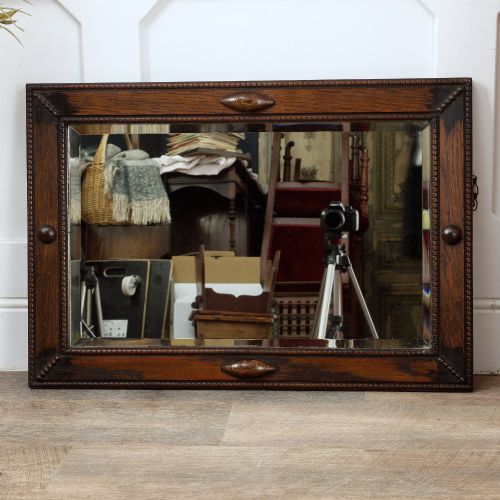
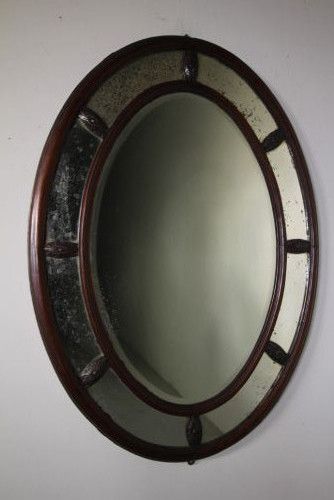
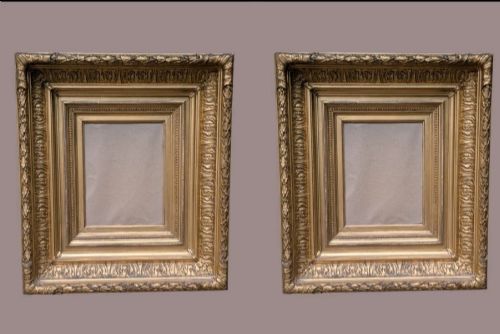
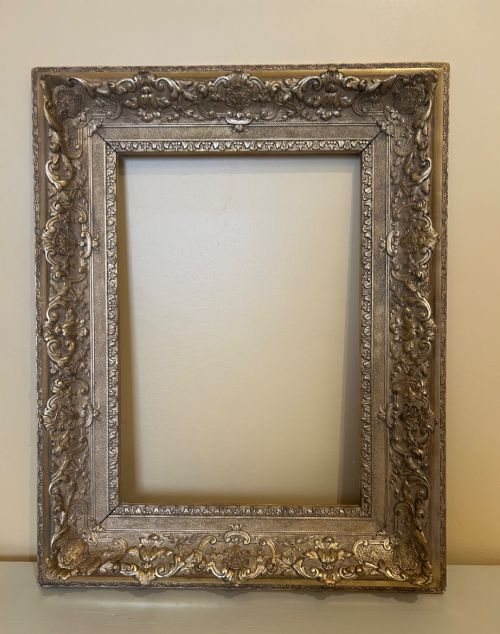
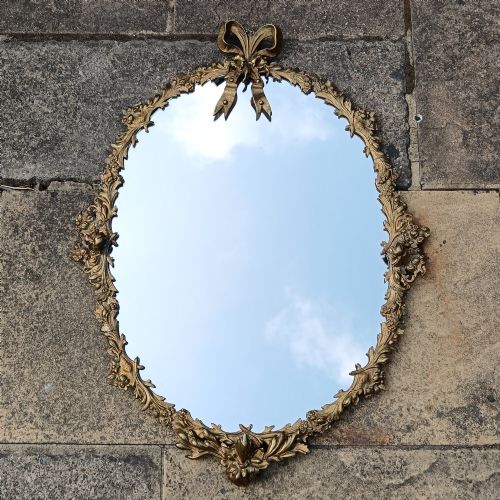
An edwardian decorative frame embodies the domestic elegance and refined ornamentation characteristic of the early twentieth century. When exploring this selection, buyers encounter tabletop photograph frames in gleaming sterling silver alongside wall-hung mirrors and picture surrounds framed in oak, walnut, and giltwood.
The objects span varied stylistic influences, incorporating the flowing organic lines of Art Nouveau and the honest construction of the Arts and Crafts movement alongside traditional period forms. These pieces serve their original purpose of displaying cherished portraits or reflecting light within a room while standing alone as works of decorative art.
Materials and construction
Makers utilised precious metals such as sterling silver for stamped and repoussé photograph frames, frequently backing them with rich velvet or wood. Timber frames relied on solid oak, walnut, and mahogany, sometimes enhanced with carved gesso, parcel-gilt details, or ebonised finishes.
Metalwork from the period frequently displays the hand-hammered textures favoured by Arts and Crafts artisans, contrasting with the smooth cast brass of Art Nouveau designs. Glass components range from bevelled mirror plates to protective picture panes set securely within rebated wooden or metal channels.
Edwardian Decorative Frame Retail Price Guide 2026
Typical asking prices for edwardian decorative frame among the pieces listed under this phrase on Sellingantiques today, from the lower quarter to the upper quarter. They describe what is for sale here now, not the wider market.
Some silver frames come complete with their original supportive blue velvet backs, holding memories softly in place.
Assessing quality
Quality rests in the crispness of the hand-carved detail on wooden frames and the depth of relief in metalwork. Superior sterling silver examples exhibit clear hallmarks, well-fitted easel backs, and substantial gauge metal that resists bending.
The integrity of the original surface finish, whether patinated silver, aged gilding, or polished timber, dictates the overall merit of the piece. Refined mouldings, securely joined corners, and intact original glass further separate standard examples from finer creations.
Mappin Bros
The Edwardian Decorative Frame Glossary
- Sterling silver
- A silver alloy containing 92.5 percent pure silver by mass, widely utilised for luxury photograph frames during the period.
- Gesso
- A plaster-like mixture applied to wood frames as a base for carving and gilding, allowing intricate relief ornamentation.
- Art Nouveau
- A decorative style characterised by asymmetrical flowing lines, plant motifs, and organic curves prominent around the turn of the twentieth century.
- Arts and Crafts
- A design movement valuing traditional craftsmanship, visible construction methods, and hand-worked metal textures.
- Repoussé
- A metalworking technique where the artisan hammers the design from the reverse side to form raised ornamentation on the front.
Edwardian Decorative Frame: Frequently Asked Questions
How do I clean sterling silver frames?
Sterling silver benefits from gentle cleaning with a soft microfibre cloth to remove dust and tarnish without abrading the metal surface. Avoid harsh chemical dips that strip away desirable historical patina.
Keep silver polish away from fabric velvet backs and glass inserts to preserve the surrounding materials during maintenance.
Can these frames hold modern photographs?
Most period tabletop frames accommodate standard modern photograph sizes with minor trimming to fit the aperture correctly. Measure the visible opening carefully before mounting precious images.
Ensure the internal retaining clips or wooden backs secure the photograph safely without applying excessive pressure to the glass.
How do I hang a heavy mirror safely?
Wall-mounted mirrors require fixings suited to the specific weight of the wooden frame and the wall construction of your property. Consult a professional installer if the piece exceeds standard domestic loads.
Verify that the original hanging rings or brackets attached to the frame remain structurally sound before mounting.
What defines the Edwardian aesthetic?
Edwardian design moved away from heavy Victorian gloom towards lighter, brighter interiors that incorporated polished woods and gleaming metals. Frames from this era reflect both traditional revival styles and modern artistic movements.
Proportions became more refined, with an emphasis on symmetry in formal pieces and organic curves in decorative metalwork.