

Edwardian Dangling Earrings
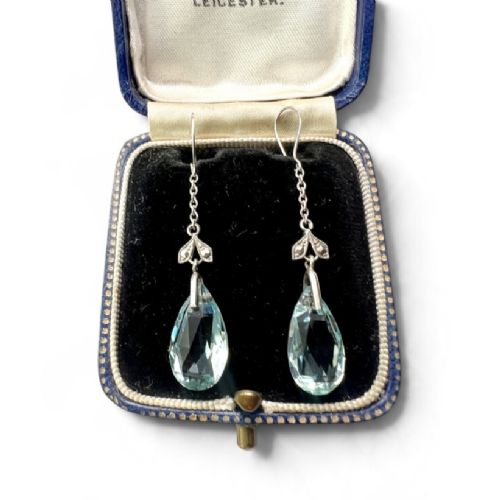
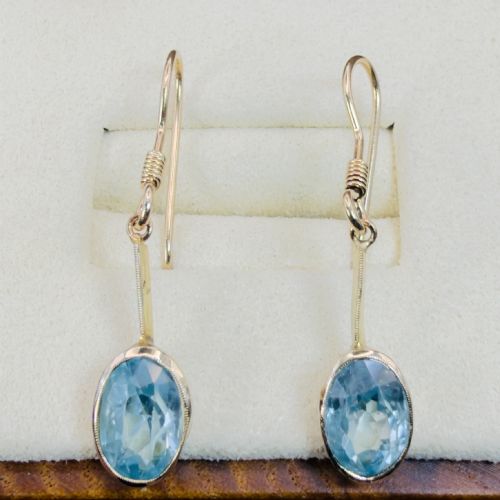
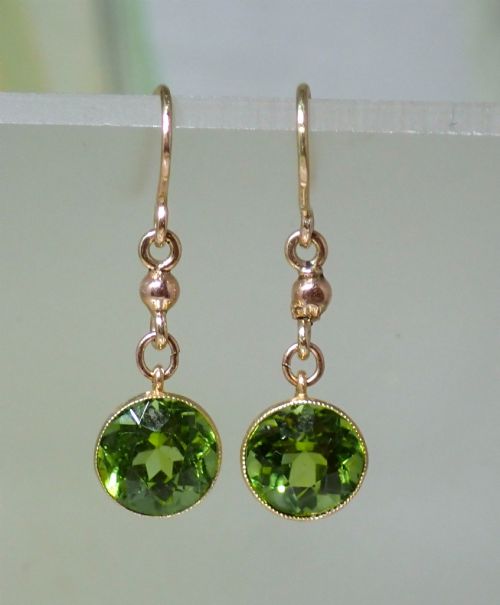
Edwardian dangling earrings bring together delicate metalwork and suspended stones, offering the movement and lightness characteristic of the period.
Edwardian Dangling Earrings
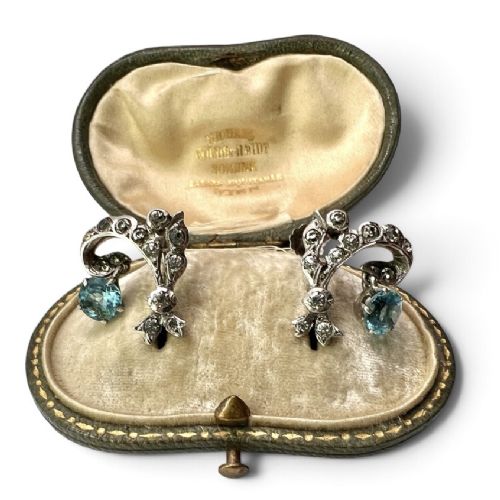
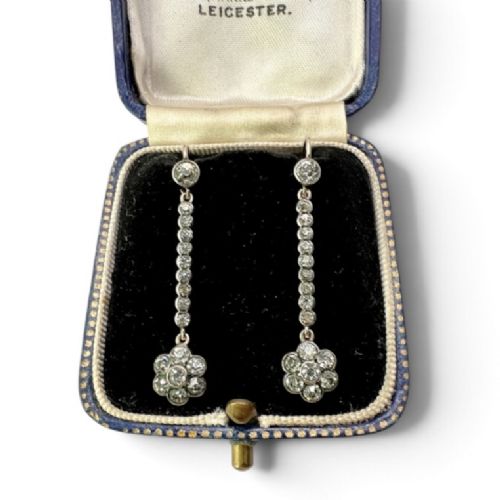
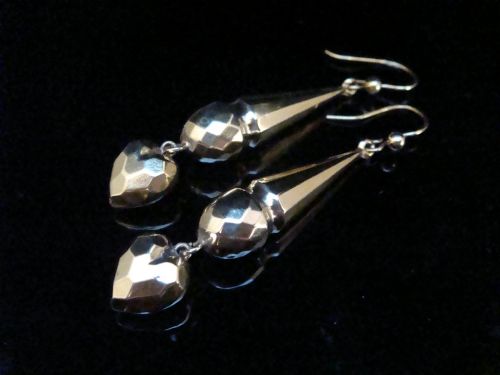
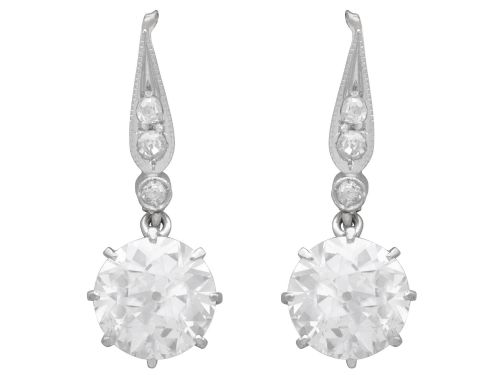
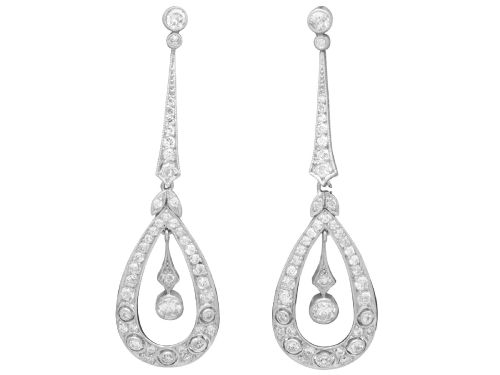
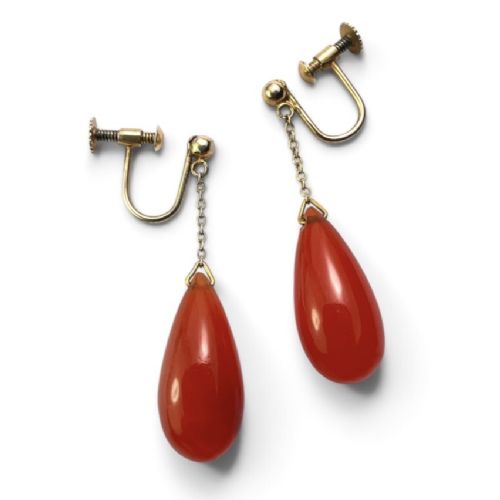
Edwardian dangling earrings combine drop and chandelier silhouettes designed to sway with the wearer, featuring prominently in selections alongside pieces from adjacent periods like the Art Deco era and the Victorian age. The most frequent iteration on this page is the drop earring, often suspending gems or paste from a secure hook or screwback fastening.
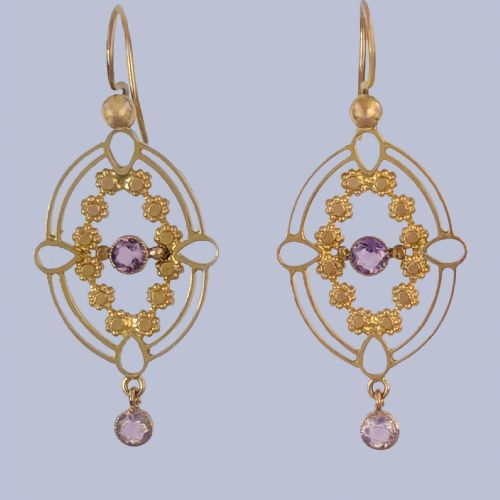
The objects span multiple material combinations, predominantly utilising yellow and white gold, silver, and platinum settings. Designs range from floral openwork and classical motifs to geometric configurations influenced by later stylistic shifts.
How they were made
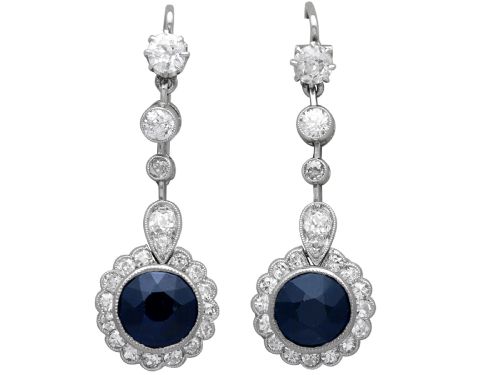
Master jewellers constructed these drops using combinations of gold, silver, and platinum, frequently pairing silver settings with gold shanks to highlight white diamonds and paste stones. Openwork frames and foliate mounts required precise hand-piercing and soldering techniques to achieve light, airy structures without sacrificing structural integrity.
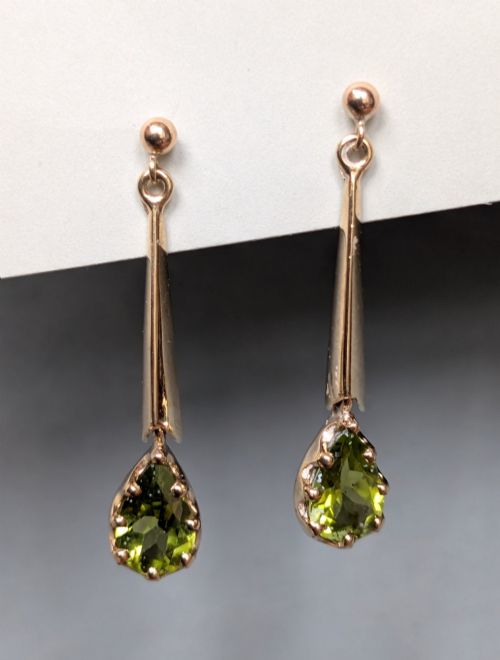
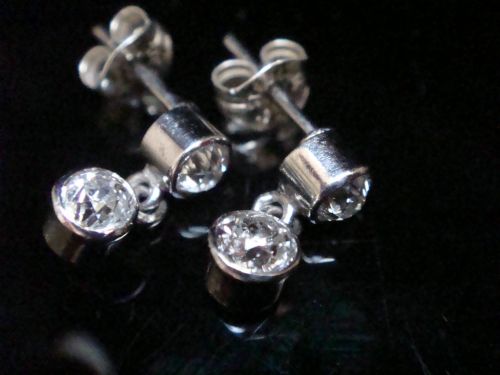
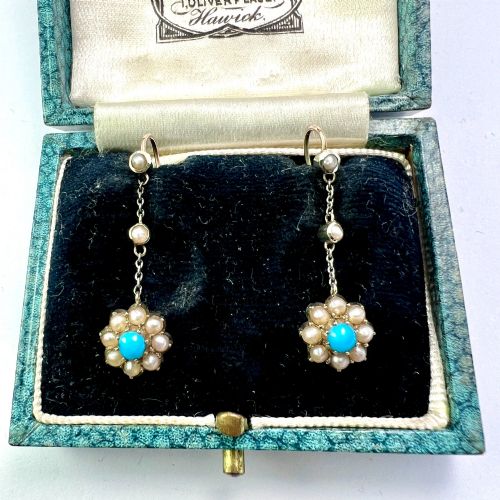
Gemstones including peridot, amethyst, aquamarine, and turquoise were hand-cut into old cuts, cushions, and baguettes before being secured in collet or bezel settings. Pearls and shell cameos were integrated using fine wirework and delicate pins to dangle beneath the primary motifs.
Edwardian Dangling Earrings Retail Price Guide 2026
Typical asking prices for edwardian dangling earrings among the pieces listed under this phrase on Sellingantiques today, from the lower quarter to the upper quarter. They describe what is for sale here now, not the wider market.
Bamboo design gold earrings from the 1920s bring a touch of botanical mimicry to the lobes.
What varies in quality
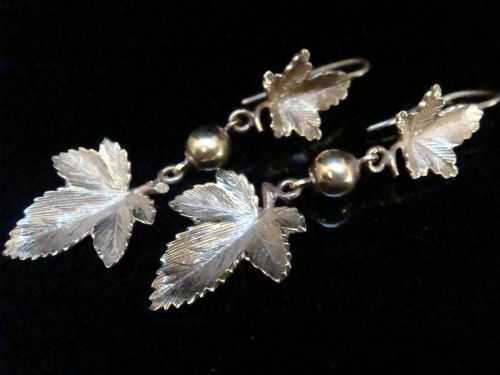
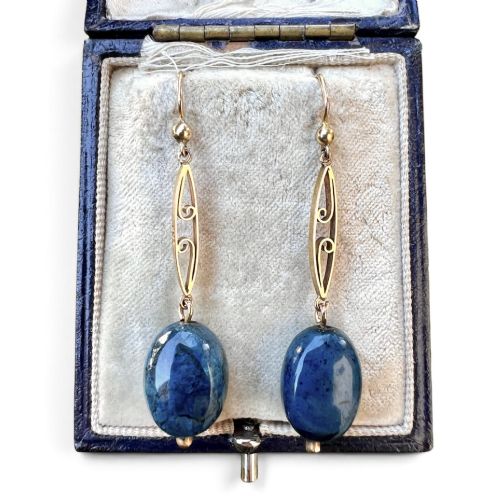
The standard of a piece rests heavily on the refinement of its metalwork, particularly the delicacy of openwork foliage and the seamless integration of mixed metals like silver-topped gold. Superior examples display crisp hand-piercing and securely seated stones that maintain balanced movement from the ear wire.
Gemstone selection and cutting further divide the range, with hand-faceted old-cut diamonds and well-matched coloured stones commanding greater distinction than uniform paste alternatives. The retention of original hooks, screwbacks, and settings without modern replacement parts also dictates the integrity of the piece.
Knoll and Pregizer
The Edwardian Dangling Earrings Glossary
- Drop earring
- An earring that suspends a decorative element below the earlobe. These pieces move freely when worn.
- Old cut
- A diamond cutting style predecessor to the modern brilliant, characterised by a smaller table and high crown. This cut reflects candlelight and softer ambient lighting distinctively.
- Paste
- Hand-cut glass or lead crystal used as a gemstone substitute. Antique paste is valued for its individual shaping and foil-backed depth.
- Screwback
- A mechanical earring fastening utilising a threaded post and nut to adjust pressure on the earlobe. This fitting was common before pierced ears became universal.
- Openwork
- Metalwork pierced to create patterns resembling lace or lattice. This technique reduces weight while maintaining structural depth.
Edwardian Dangling Earrings: Frequently Asked Questions
How do I wear screwback earrings?
Screwback fasteners use a small threaded screw mechanism to tighten the backing against the earlobe. Adjust the tension gently until the earring remains secure without pinching the skin.
These findings were standard for non-pierced ears during the Edwardian and Victorian periods. They offer a stable hold for heavier dangling designs.
What is the difference between drop and dangling earrings?
Drop earrings generally feature a single stationary element suspended just below the earlobe. Dangling earrings incorporate articulated joints that allow the lower portion to swing freely.
Both styles were favored in Edwardian jewellery to draw the eye downward and create motion. The terms are often used interchangeably in antique descriptions.
How do I identify Edwardian earrings?
Edwardian pieces typically showcase platinum-topped gold, delicate millegrain edges, and light diamond or pastel gemstone configurations. Motifs often include garlands, ribbons, and openwork floral designs.
Garments of the era demanded lighter, airier jewellery to complement high lace collars. Look for subtle hand-craftsmanship rather than heavy casting.
Can antique earrings be converted for pierced ears?
Many antique screwback or clip-on earrings can be converted by a specialist jeweller who replaces the original backing with a post. This alteration should be considered carefully to preserve the original hardware.
Retaining original fastenings often appeals more strongly to collectors. Consult a professional to evaluate whether the conversion impacts the integrity of the piece.