








Edwardian Copper Frame
An edwardian copper frame brings tactile warmth and hammered texture to interior walls.
Edwardian Copper Frame
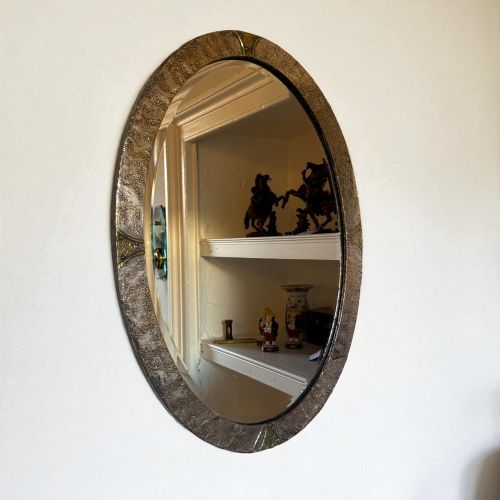
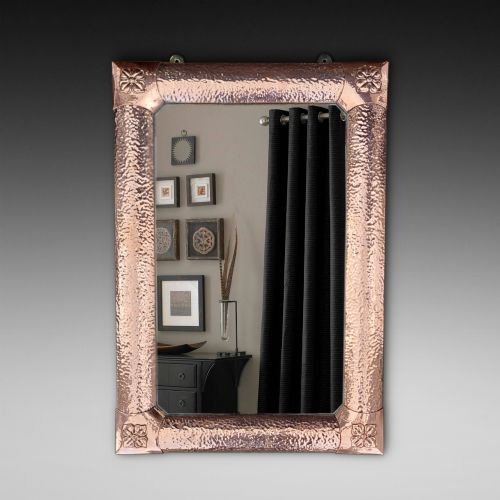
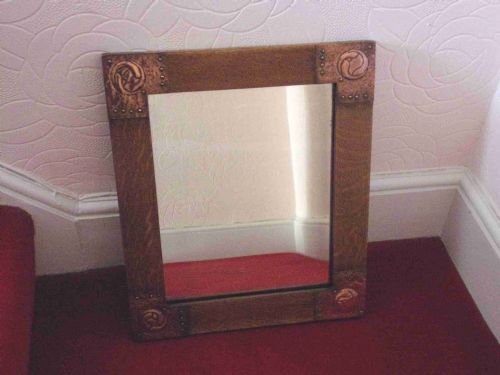
An edwardian copper frame encompasses wall mirrors, fire screens, and commemorative plaques produced around the turn of the twentieth century. These domestic objects display the distinct aesthetic of the Arts and Crafts movement through hand-worked metalwork and honest construction. Most pieces encountered on this page take the form of wall mirrors featuring beaten metal borders.
Makers working within this period combined copper with oak, brass, and glass to create functional household items with decorative presence. Alongside mirrors, the selection includes fireside accessories and architectural plaques that utilise the same characteristic metal surrounds. The surviving examples demonstrate a widespread enthusiasm for metalcraft during the Edwardian era.
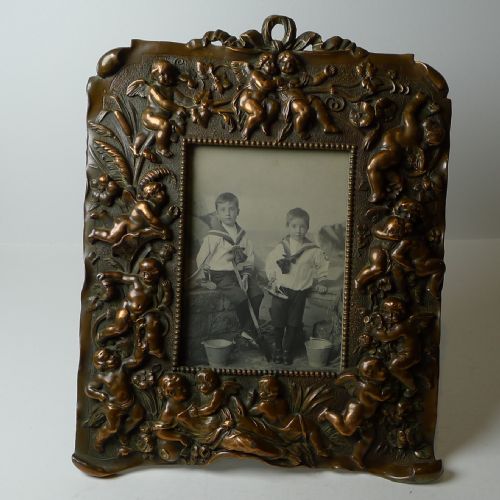
The objects span production dates from the late Victorian period into the nineteen-twenties, reflecting a sustained popularity for metal frames. While mirrors dominate the grouping, items such as coal buckets and photographic surrounds also appear within the category. Each piece relies on the warm tone of copper to define its visual character.
How they were made
Artisans constructed these frames by hammering sheet metal over wooden or iron cores, creating low-relief patterns through repoussé techniques. The process involved working the reverse of the copper to push decorative motifs outward before refining the surface from the front. This manual shaping resulted in varied textures across each individual border.
Makers frequently mounted the finished metalwork onto oak or pine backings to provide structural rigidity for mirrors and firescreens. Rivets, brass mounts, and ceramic cabochons often served as secondary materials to accent the primary copper surface. Glazing was then secured behind bevelled glass panes held firmly within the metal housing.
Edwardian Copper Frame Retail Price Guide 2026
Typical asking prices for edwardian copper frame among the pieces listed under this phrase on Sellingantiques today, from the lower quarter to the upper quarter. They describe what is for sale here now, not the wider market.
Listings feature pieces spanning the Victorian period through to the nineteen-twenties, uniting copper, brass, oak, and glass.
What varies in quality
The distinction between standard production and exceptional work rests upon the depth and complexity of the metal embossing. Superior pieces exhibit crisp, hand-chased botanical or abstract motifs executed by skilled craftspeople, whereas lesser items rely on shallow, machine-pressed repetition. The weight of the base metal and the integration of ceramic or enamel inserts further elevate individual examples.
Construction details also separate workshop output from mass-market manufacture, particularly in the neatness of corner joints and the selection of framing timber. Original patination and the retention of maker signatures or attribution marks enhance the standing of a piece. Well-preserved mirror glass and robust structural backings indicate careful original fabrication.
Liberty and Company
The Edwardian Copper Frame Glossary
- Repoussé
- A metalworking technique where the artisan hammers the reverse of a sheet to form raised designs on the front. This method defines the ornamented borders seen on numerous Edwardian mirrors.
- Arts and Crafts
- A design movement promoting handcraftsmanship and traditional techniques as a reaction against industrial manufacturing. Pieces from this aesthetic frequently feature stylised natural motifs.
- Cabochon
- A polished, convex gem or ceramic piece lacking facets, often set into metalwork as an accent. Ruskin pottery inserts commonly serve this decorative purpose on mirror frames.
- Bevelled glass
- Glass panes featuring an angled, polished edge that catches the light. This treatment adds depth and refinement to wall mirrors of the period.
- Patina
- The surface sheen and colour acquired by metal through age and handling. Unpolished copper develops a rich brown or dark tone over decades.
Edwardian Copper Frame: Frequently Asked Questions
What defines an edwardian copper frame?
An edwardian copper frame is characterised by hand-beaten metalwork, often displaying repoussé patterns influenced by the Arts and Crafts movement. These items typically combine warm metallic tones with oak backings or bevelled glass.
They reflect the era's preference for visible craftsmanship and honest materials in domestic decor, ranging from mirrors to fireside furnishings.
How do I identify Arts and Crafts metalwork?
Arts and Crafts metalwork shows evidence of hand-working through hammer marks, uneven textures, and stylised motifs such as trees, celtic knots, or abstract curves. Makers often incorporated rivets and cabochon stones as integral decorative elements.
Unlike machine-stamped items, each piece possesses subtle irregularities that reveal the artisan's individual hand during construction.
Where were these copper frames used?
These frames were designed for principal reception rooms, hallways, and firesides in Edwardian homes. Wall mirrors brightened dark entrance spaces, while framed firescreens and coal buckets added functional warmth to hearths.
Commemorative plaques and photographic surrounds served as decorative displays for significant family events or patriotic milestones.
How should I clean antique copper?
Antique copper requires minimal intervention to preserve the historical patina accumulated over a century. Gentle dusting with a soft cloth is usually sufficient for regular maintenance.
Harsh chemical polishes should be avoided because they strip away the aged surface character that collectors value in these pieces.