



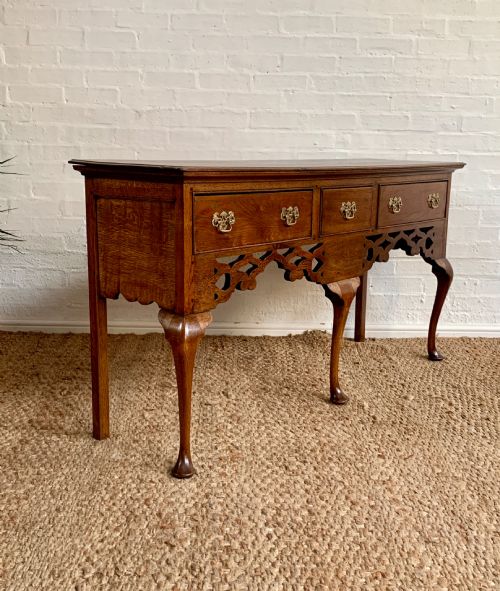
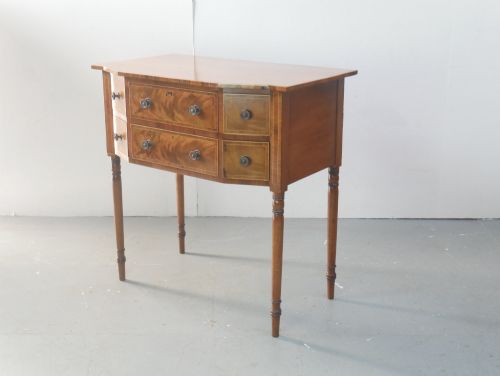
Edwardian Console Server
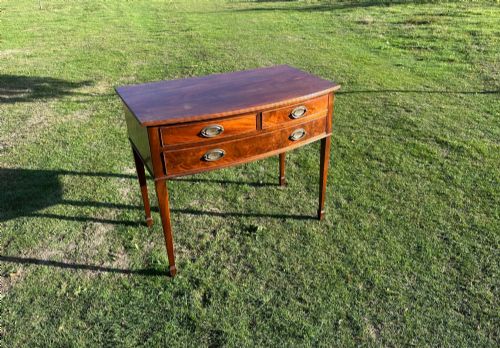
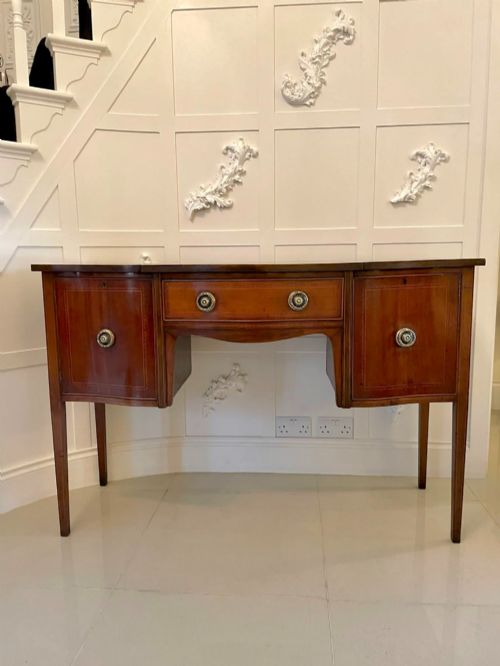
An edwardian console server brings refined surface space and formal storage to a hallway, sitting room or dining space.
Edwardian Console Server
When searching for an edwardian console server, buyers encounter a variety of forms designed for storage and display in domestic interiors. These versatile pieces operate under several functional headings, appearing frequently as console tables, side tables, serving tables and oak dresser bases.
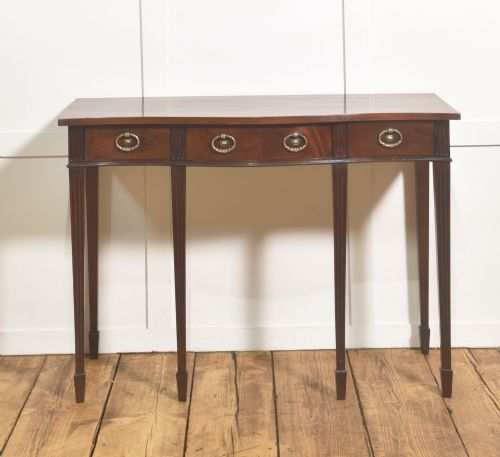
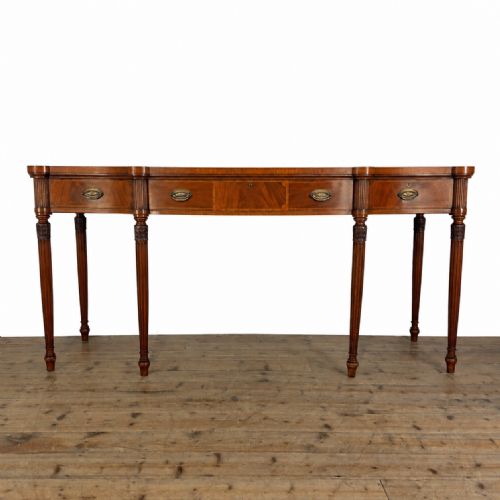
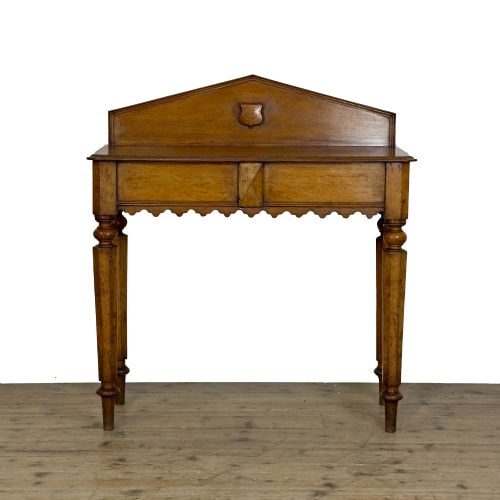
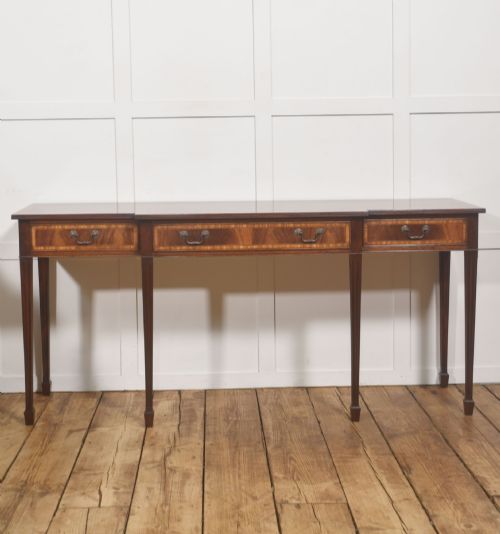
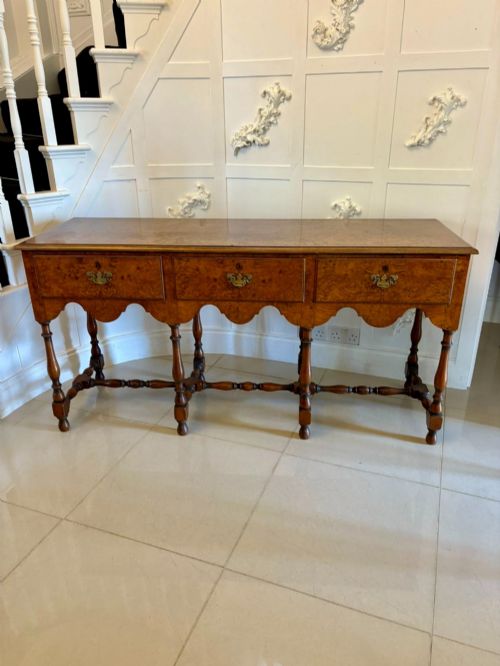
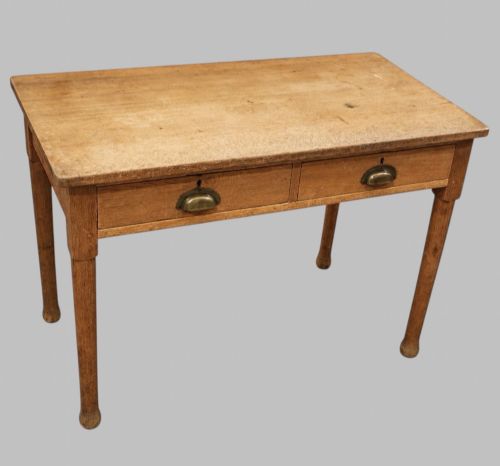
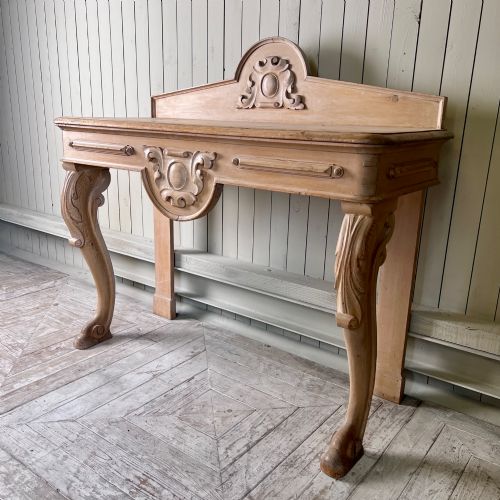
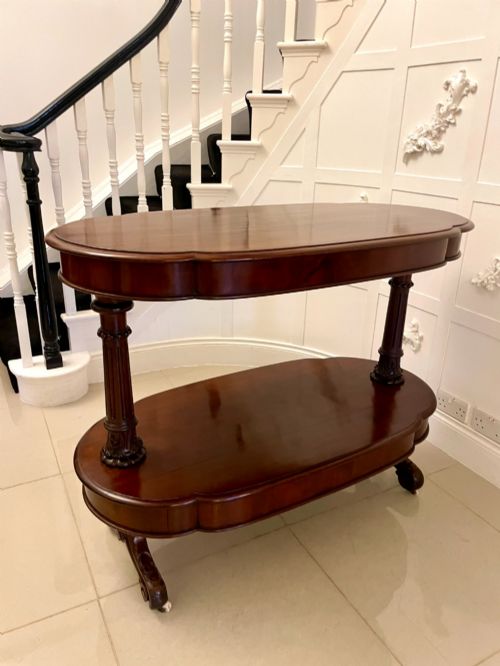
The core selection on this page centres firmly upon Edwardian production alongside adjacent periods from the late nineteenth century through to the nineteen-thirties. Forms range from neat hall tables with two drawers to larger breakfront sideboards and serpentine serving furniture.
Makers of the period adapted classic shapes to suit smaller urban spaces as well as larger country houses. Buyers find distinct stylistic revivals mixed with simpler utilitarian formats built for everyday household service.
Materials and construction
Cabinet makers relied heavily on timber selection to define the character of each piece. Mahogany and oak dominate the construction, accompanied by walnut, satinwood, pine and decorative wood inlay.
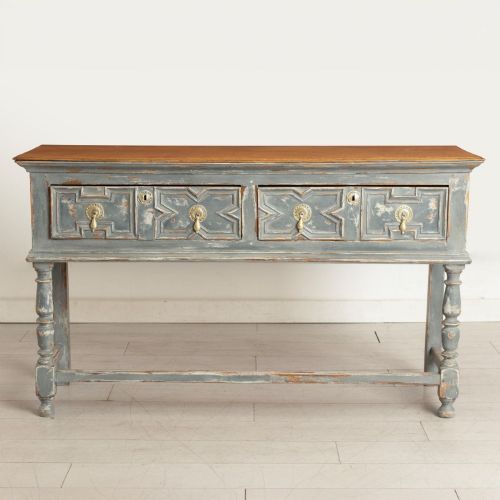
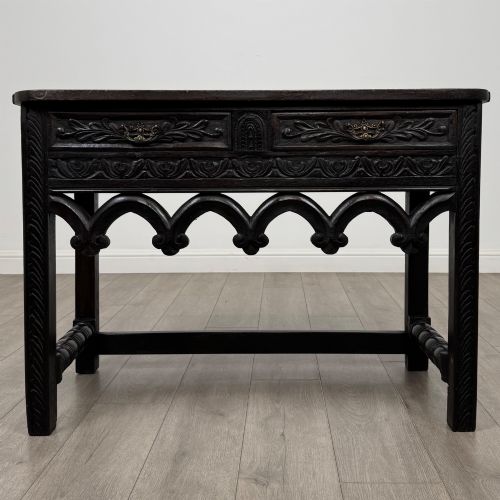
Surface detailing often incorporates brass hardware and intricate carving reflective of revival styles such as Sheraton, Gothic and Jacobean. Joinery techniques ensure durable frames capable of supporting heavy serving platters or library collections.
Edwardian Console Server Retail Price Guide 2026
Typical asking prices for edwardian console server among the pieces listed under this phrase on Sellingantiques today, from the lower quarter to the upper quarter. They describe what is for sale here now, not the wider market.
The listings here feature oak, mahogany, walnut and pine across Edwardian, Victorian and Georgian eras.
Assessing build quality
The upper tier of the range distinguishes itself through precise timber selection, such as figured mahogany or burr walnut veneers, paired with crisp hand-carved detailing. Lesser examples rely on plain stock timber with minimal decorative flourishes and simpler joinery.
Proportion and structural integrity dictate overall merit. Pieces retaining original brass mounts, well-fitted drawers and balanced serpentine or bow fronts command greater appreciation than heavily altered or plain utility iterations.
Beresford & Hicks London
The Edwardian Console Server Glossary
- Serpentine
- A curved front edge featuring a convex centre flanked by concave wings. This sophisticated shaping requires skilled woodworking to execute cleanly across drawer fronts.
- Breakfront
- A piece of furniture where the central section projects forward from the flanking outer sections. This architectural arrangement adds depth and visual rhythm to sideboards and console tables.
- Dresser base
- A low wooden sideboard or serving table fitted with drawers and frequently featuring an open shelf below known as a pot board. These items originated in working kitchens before moving into formal dining spaces.
- Demi-lune
- A half-moon shape used for console and hall tables designed to sit flush against a wall. The curved profile saves floor space in narrow corridors.
Edwardian Console Server: Frequently Asked Questions
What is an edwardian console server used for?
These pieces function primarily as auxiliary surfaces for serving food, displaying decorative items or organising correspondence in a hallway. Their compact depth allows them to fit narrow thoroughfares where bulkier furniture would obstruct movement.
Historically, larger variations served dining rooms during formal meals, while smaller iterations furnished domestic entrances to hold keys, lamps and post.
Where should I place a console table?
Hallways, living rooms and dining spaces provide the ideal placement for these tables. Their shallow footprint makes them particularly suitable for transition areas behind sofas or against blank corridor walls.
Positioning them away from direct heat sources and strong sunlight protects the polished wood and delicate inlay work from drying out or fading over time.
How do I distinguish Edwardian pieces from Victorian ones?
Edwardian furniture generally exhibits lighter proportions, simpler lines and a return to neoclassical revival styles like Sheraton. Victorian pieces tend to be heavier, employing darker finishes and bolder carved ornamentation.
Examining the secondary woods inside drawers and the style of the brass hardware helps clarify the manufacturing era when stylistic crossover occurs.
How do I care for antique mahogany and oak?
Maintenance requires regular dusting with a soft, dry cloth to prevent abrasive particle buildup. Applying a quality beeswax occasionally feeds the timber and preserves the natural lustre of the polished finish.
Avoid using silicone-based sprays or placing items in damp environments, as excess moisture causes timber movement and degrades antique glue joints.