
Edwardian Commode
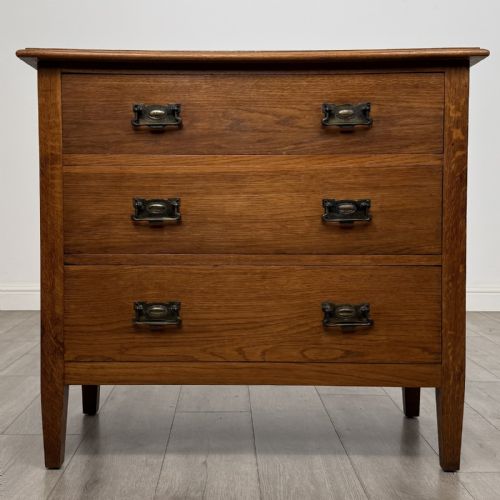
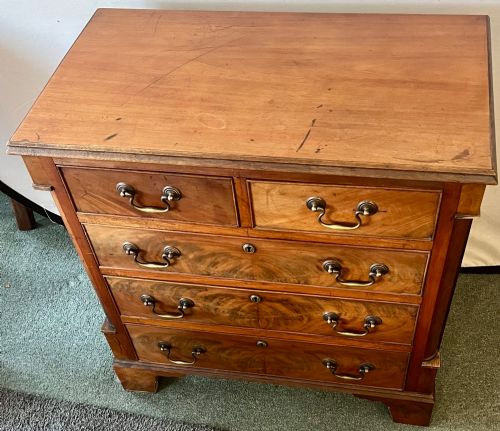
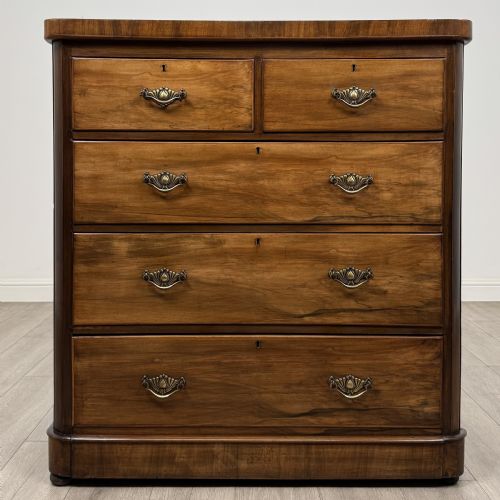
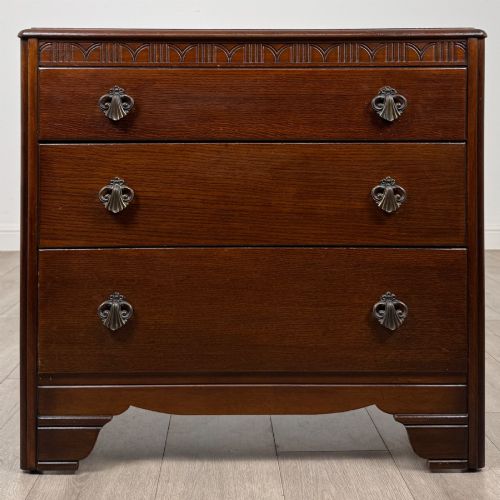
Edwardian commode pieces are timber chests of drawers and cabinets from the early twentieth century designed to bring refined storage into domestic rooms.
Edwardian Commode
When you search for an edwardian commode, you encounter a range of timber furniture designed for bedroom and parlour use. The listings on this page span several periods, with pieces originating from the Edwardian era alongside examples from the Victorian, Regency, and Georgian periods.
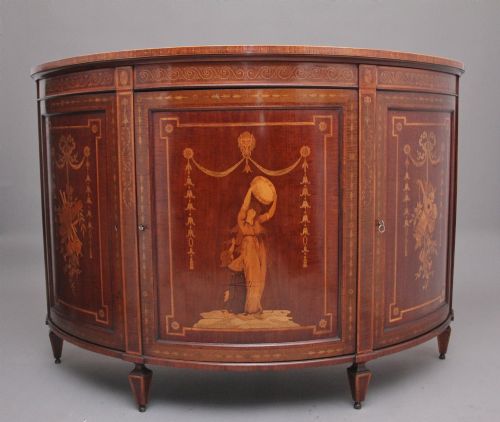
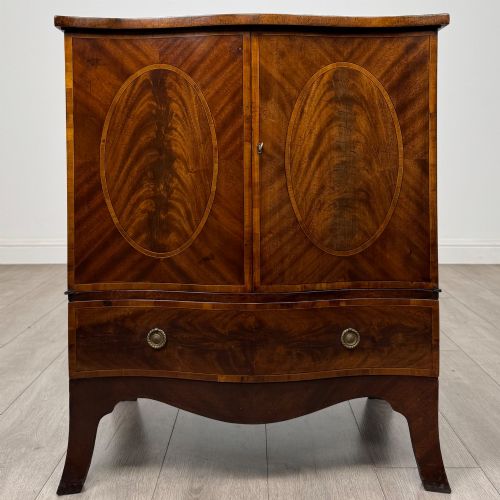
The forms vary from small chests of drawers and bedside cabinets to cupboards and side cabinets. Mahogany and oak dominate the material records, frequently augmented by satinwood and painted finishes.
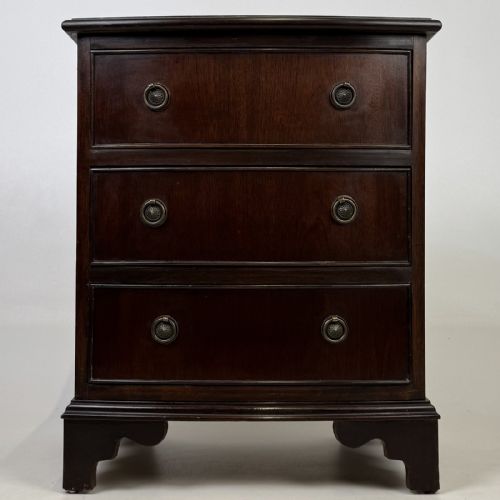
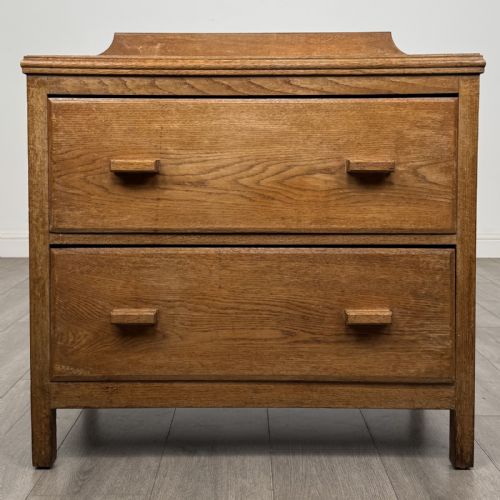
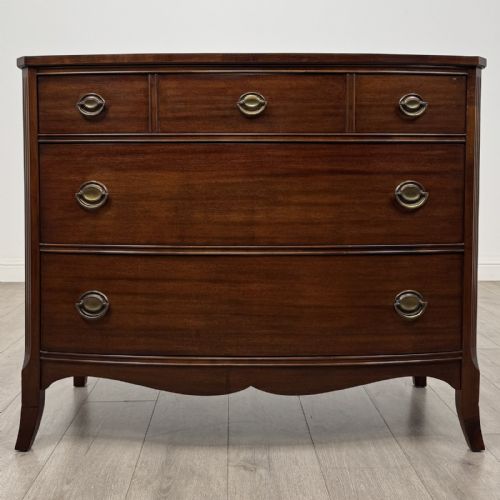
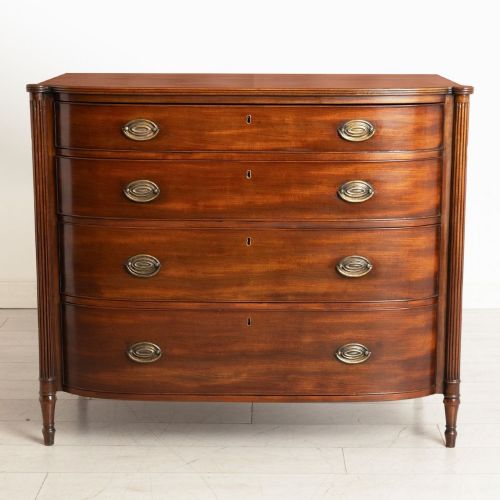
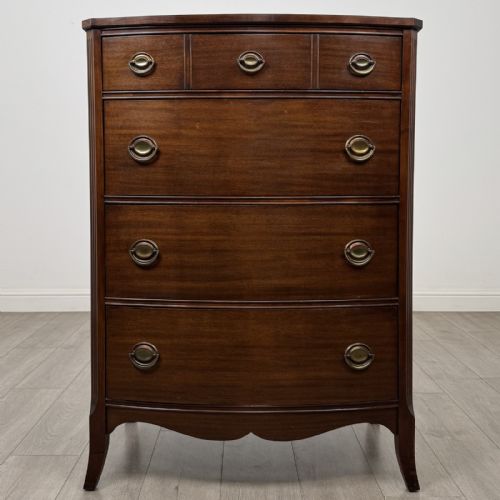
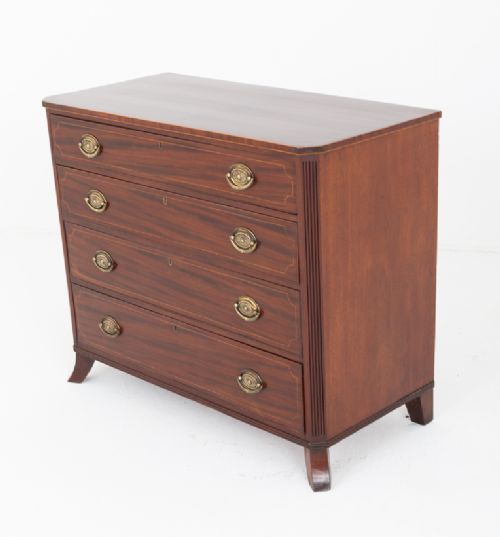
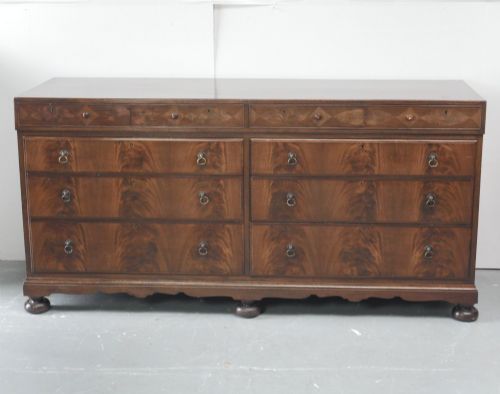
The most common formats on this page are compact chests of drawers featuring brass handles, raised galleries, or inlaid tops. Buyers also find bedside tables and cabinets reflecting revivals of Georgian, Regency, and Queen Anne styles.
Materials and construction methods
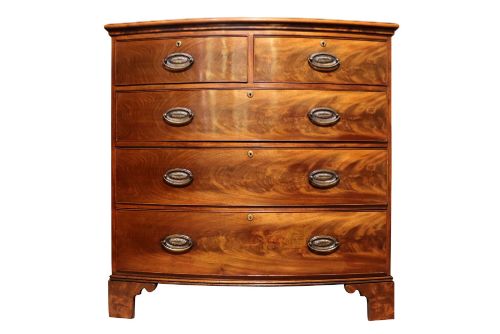
Cabinet makers utilised solid timbers such as mahogany, oak, and walnut, often applying flame mahogany veneer or satinwood banding to visible surfaces. Brass handles and drawer pulls provide functional hardware that contrasts with the dark and golden wood tones.
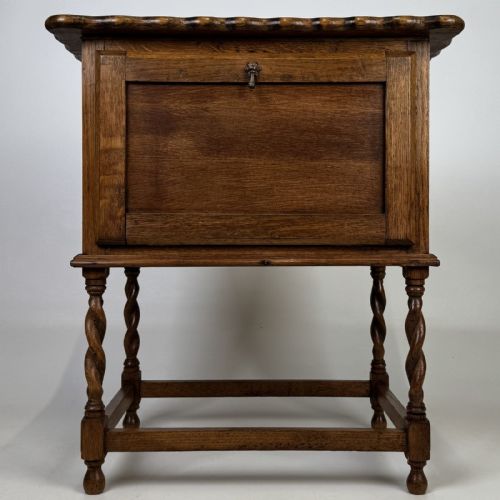
Construction techniques include dove-tailed drawer joints and turned or cabriole legs, occasionally featuring claw and ball feet or barley twist supports. Painted finishes appear on specific decorative items, adding hand-painted detailing to satinwood or pine structures.
Listings feature oak, mahogany, and satinwood across Edwardian, Victorian, and Georgian periods in chest and cabinet formats.
Distinctions in craftsmanship and finish
The distinction between standard and superior pieces rests upon the selection of timber and the precision of decorative details. Figured mahogany, elaborate crossbanding, and intricate inlay separate simpler domestic items from higher-status works.
Hardware integrity and the retention of original handles or fitted interior slides influence the overall character of a piece. Subtle carving on top edges and the balance of proportions distinguish workshops of higher ambition.
Whytock and Reid·Sir Clough Williams Ellis
The Edwardian Commode Glossary
- Bow-front
- A cabinet or chest featuring a convex, curved front facade. This design softens the room profile.
- Serpentine
- A furniture front shaped with a central convex curve flanked by concave sweeps. It requires advanced woodworking skill.
- Crossbanding
- A strip of veneer laid across the grain of the primary timber to frame a drawer or top. This technique adds visual contrast.
- Brushing slide
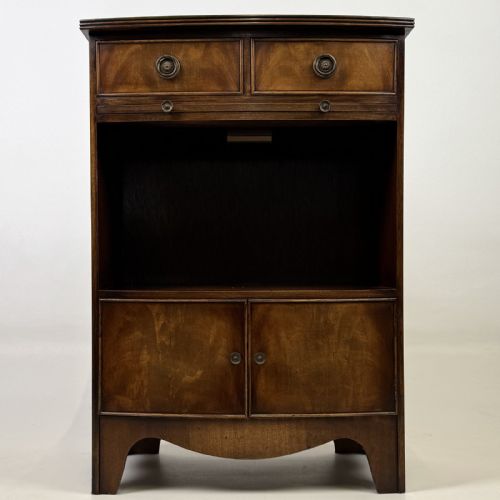
- A pull-out shelf housed above the top drawers used for folding clothes or writing. Examples appear in various period cabinets.
- Gallery
- A raised wooden or brass rail positioned around the top edge of a cabinet or chest. It prevents items from sliding off.
Edwardian Commode: Frequently Asked Questions
What defines an edwardian commode?
An edwardian commode typically refers to compact wooden storage furniture, including small chests of drawers and bedside cabinets produced around the start of the twentieth century.
These pieces draw upon earlier Georgian and Regency design principles while incorporating lighter timbers and refined inlay work suitable for Edwardian interiors.
How do I identify Edwardian furniture?
Edwardian pieces often feature brighter mahogany, satinwood banding, and simpler proportions compared to heavy Victorian designs. Look for specific construction traits like machine-sawn timber elements combined with hand-finishing.
The presence of stylistic revivals, such as Queen Anne cabriole legs or Sheraton painted motifs, also points toward this period of manufacture.
Were these cabinets used in bedrooms?
Many of these pieces served as bedside tables, night stands, or small drawer units intended for domestic sleeping quarters. Their compact dimensions allowed them to fit neatly beside washstands and bed frames.
Cabinets with enclosed cupboards often served to house chamber pots or personal linen out of sight.
How do I care for mahogany surfaces?
Maintain mahogany timber by dusting regularly with a soft, dry cloth and avoiding placement near direct heat sources or strong sunlight. Apply quality beeswax sparingly to nourish the grain without building up a sticky residue.
Protect the polish from moisture by using coasters beneath any objects placed upon the top surface.