




Edwardian Clothes Stand
These edwardian clothes stand pieces are practical bedroom furnishings designed to keep garments pressed and ready.
Edwardian Clothes Stand
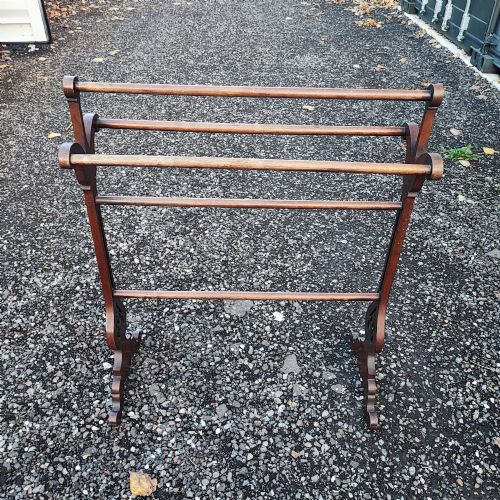
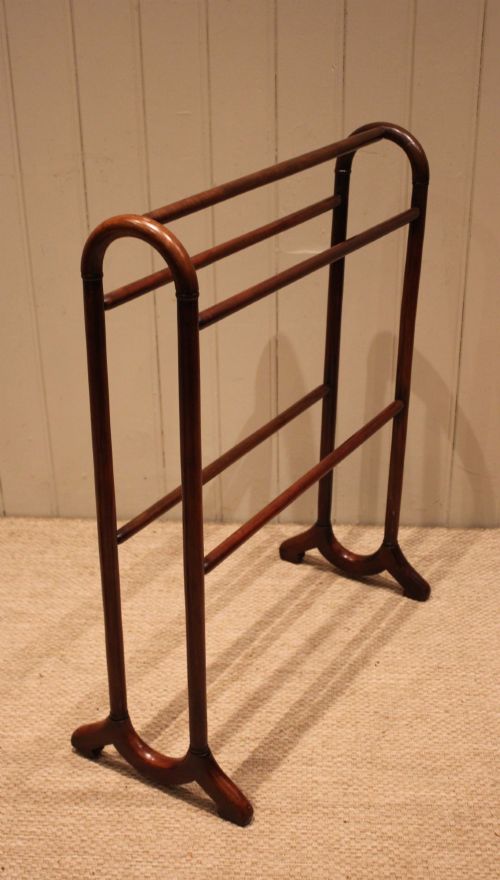
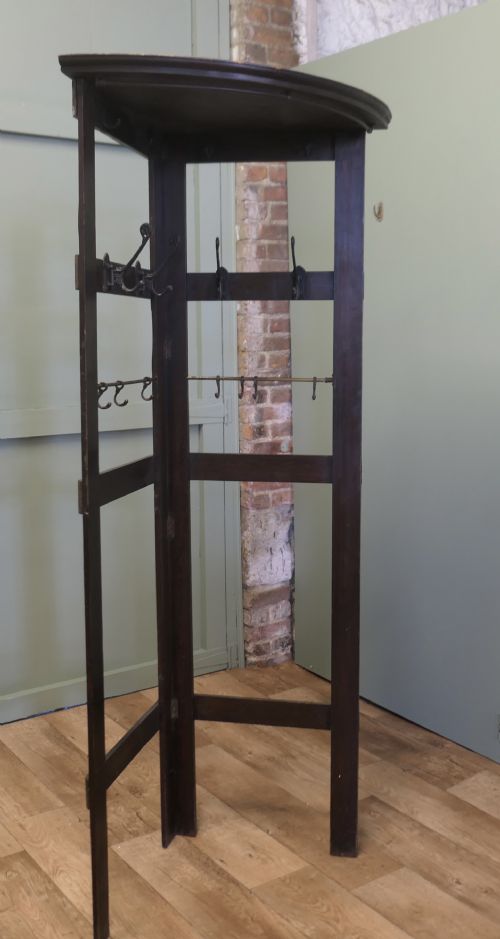
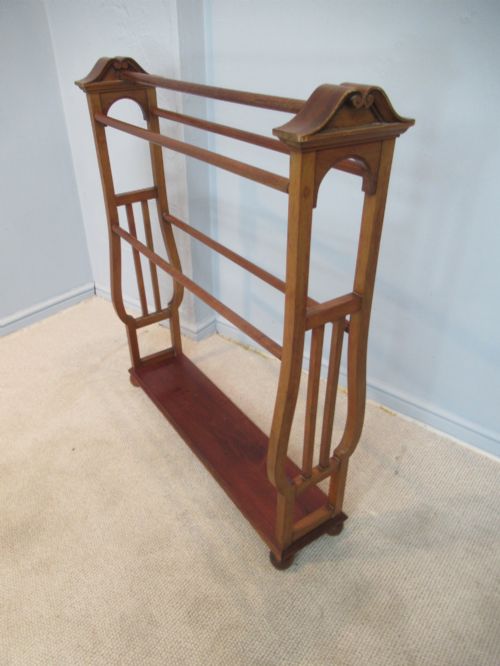
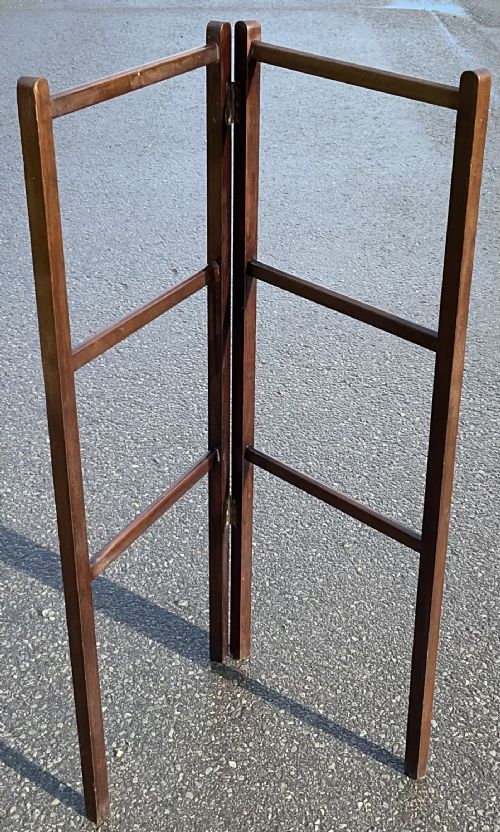
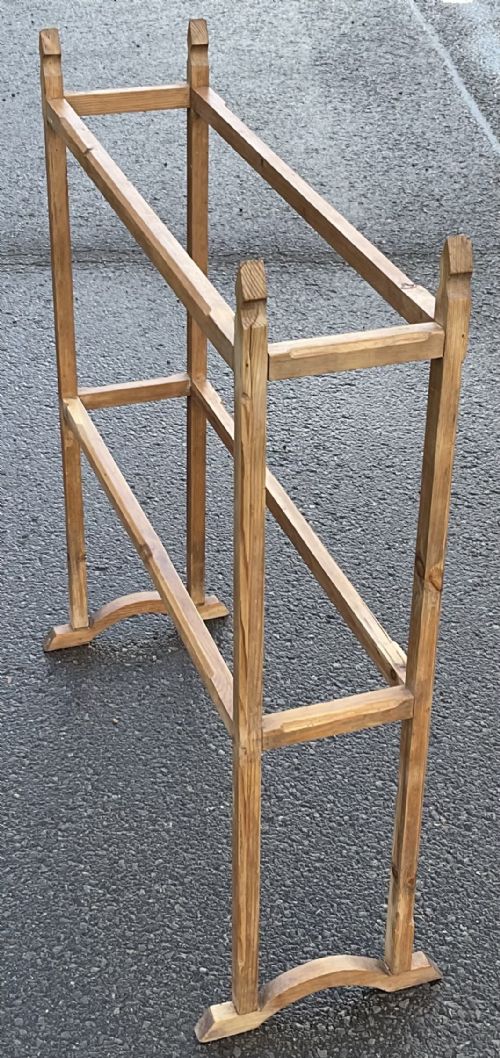
When you search for an edwardian clothes stand, you are looking at items primarily made for hanging or draping garments, most commonly seen here as towel rails, folding clothes changing racks, and hall stands.
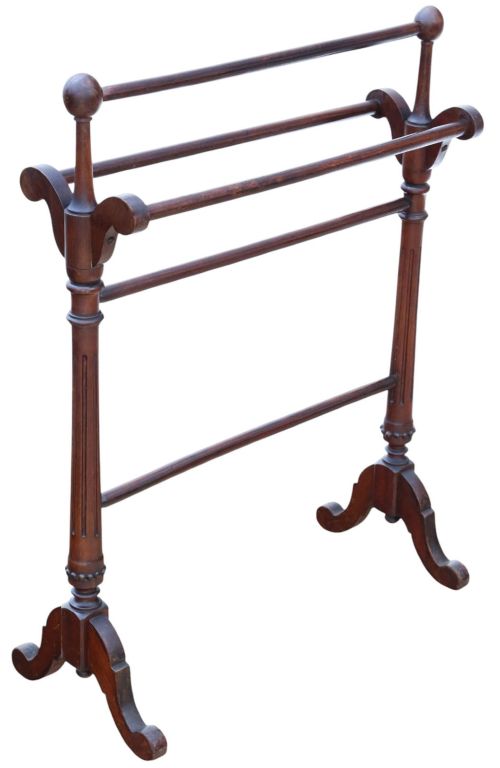
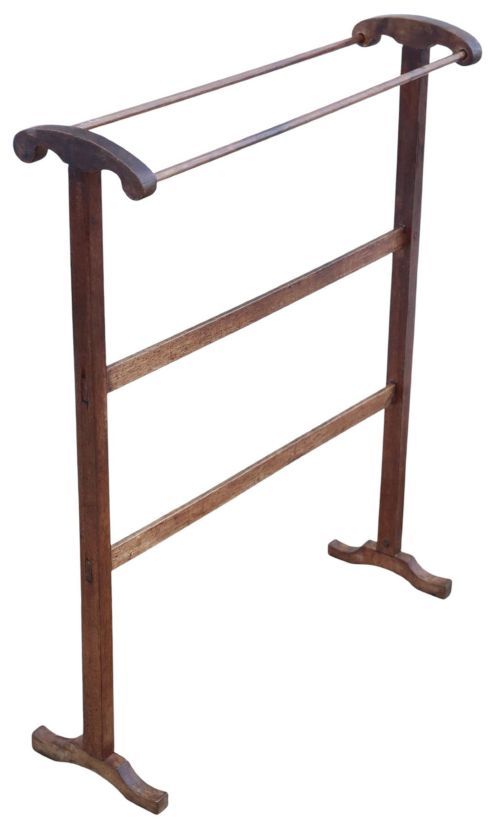
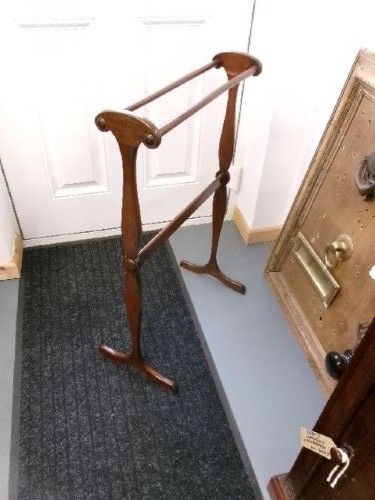
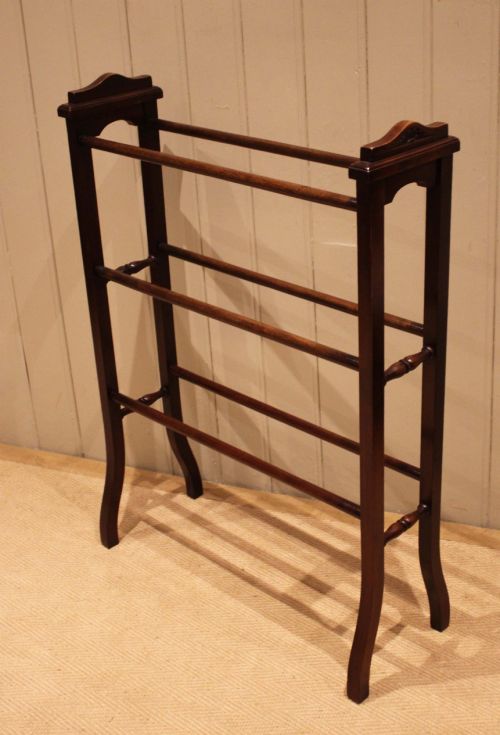
The version you are most likely to meet on this page is the standing mahogany towel rail dating from the Edwardian period or the late nineteenth century.
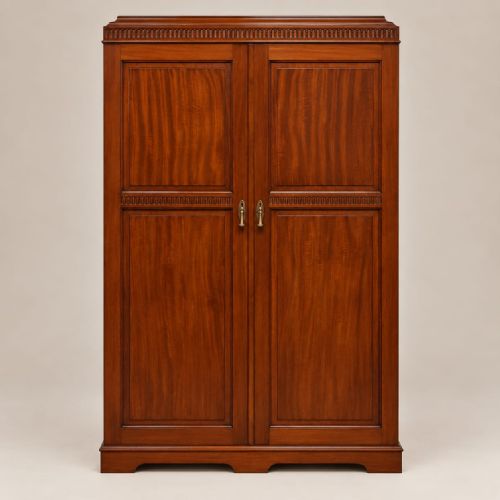
Forms range widely in scale and purpose, spanning portable folding sports wardrobes, large wardrobes, and bentwood coat and hat racks.
How they were made
Makers utilised solid timbers such as mahogany, oak, pine, walnut, and beech, frequently constructing items with folding mechanisms for ease of movement.
Metal components in brass and iron appear alongside stained wood and ebonised finishes to provide structural support and functional hardware.
Surface details include inlaid decoration on mahogany frames and stamped signatures on specialised portable trunks.
Edwardian Clothes Stand Retail Price Guide 2026
Typical asking prices for edwardian clothes stand among the pieces listed under this phrase on Sellingantiques today, from the lower quarter to the upper quarter. They describe what is for sale here now, not the wider market.
Listings span periods from the Regency era through Victorian times and the Edwardian epoch up to 1920, predominantly featuring mahogany.
What varies in quality
The choice of timber underpins the piece, with dense hardwoods like mahogany and oak offering greater longevity than softer pine or beech variants.
Construction methods determine daily utility, separating simple joined frames from sophisticated folding sports wardrobes and multi-rail stands designed for heavy domestic use.
The Edwardian Clothes Stand Glossary
- Edwardian
- Dating from the reign of King Edward VII between 1901 and 1910, though the term often encompasses domestic items made up to the First World War. Pieces from this era frequently display lighter proportions than their Victorian predecessors.
- Bentwood
- Wood softened by steam and bent into curved structural shapes, commonly utilised in coat and hat racks. This technique creates strong yet remarkably lightweight furniture frames.
- Mahogany
- A durable tropical hardwood prized for its reddish-brown tone and smooth grain, frequently selected for domestic rails and wardrobes. It takes a fine polish and resists warping.
- Ebonised
- Wood treated with a dark finish to imitate expensive ebony. This process gives standard timber a dense, uniform black appearance.
Edwardian Clothes Stand: Frequently Asked Questions
What is an edwardian clothes stand used for?
These furnishings were designed to hold garments, towels, and accessories in bedrooms and dressing rooms.
They allowed users to keep everyday wear aired and neatly arranged between uses.
How do I identify an Edwardian piece?
Look for lighter timber framing, often in mahogany or oak, reflecting the shift away from heavier Victorian styles.
Design details frequently include simple turned uprights and practical folding rail configurations.
Are these stands difficult to move?
Many examples incorporate folding mechanisms specifically designed for portability around the home.
Lighter woods and dedicated sports wardrobes made transport straightforward for travellers.
What materials are common?
Mahogany and oak dominate the surviving examples, supported by pine, walnut, and beech.
Metal elements in brass and iron appear on hardware, while some items feature ebonised finishes.