



Edwardian Clothes Airer
Edwardian clothes airer pieces are practical household fixtures designed for drying garments, offering sensible utility and simple period charm.
Edwardian Clothes Airer
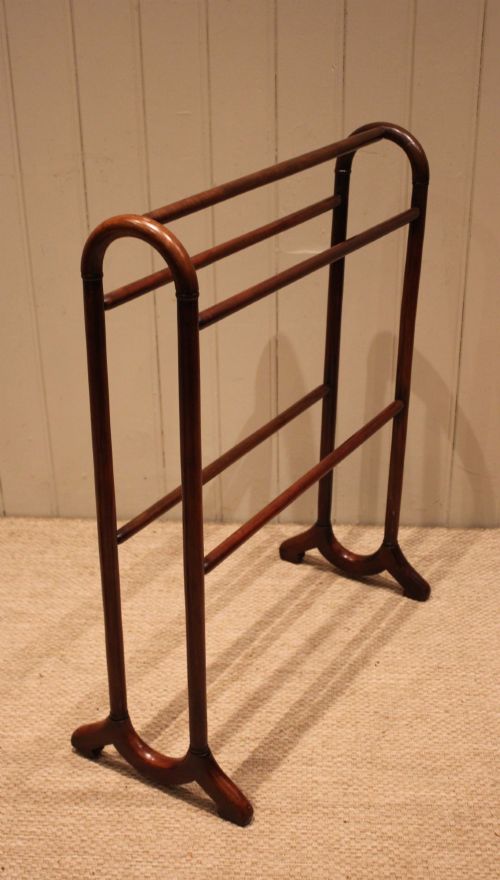
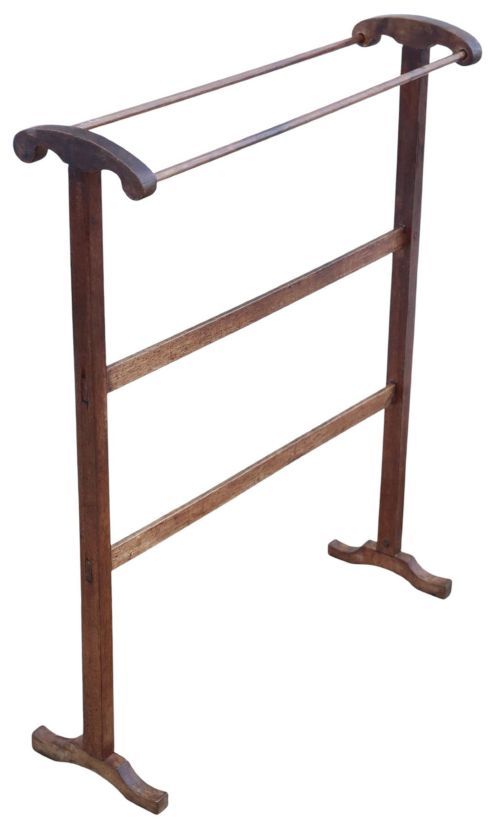
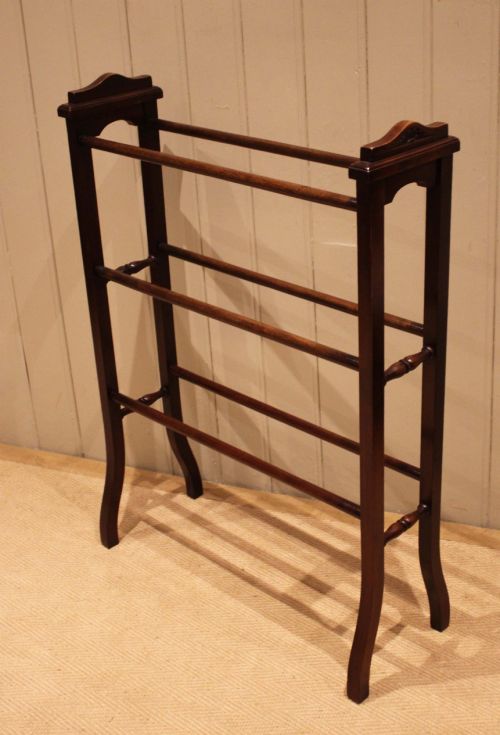
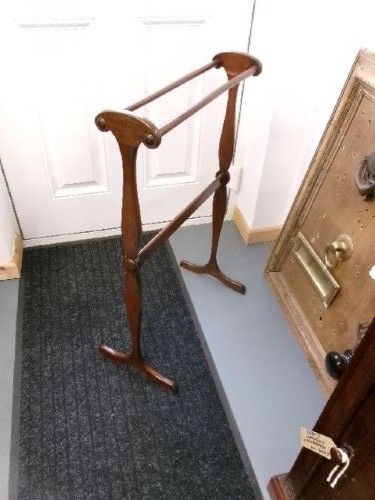
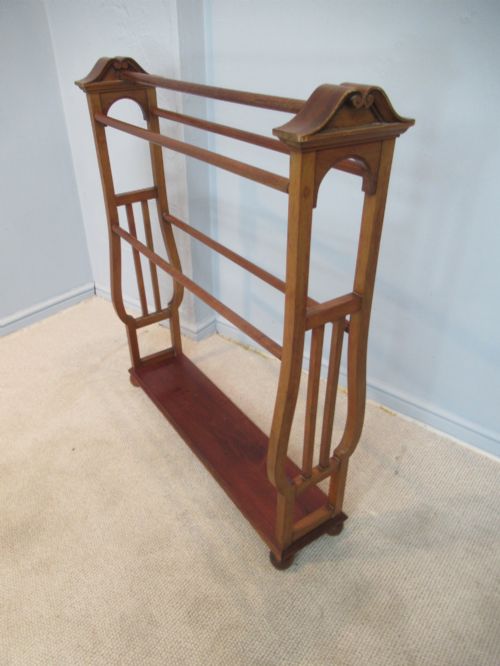
When searching for an edwardian clothes airer, buyers encounter a selection of standing towel rail stands, wall-mounted airers, and nursery fenders equipped with clothes rails. The core function across these forms remains the hanging and drying of household linens or garments in domestic spaces.
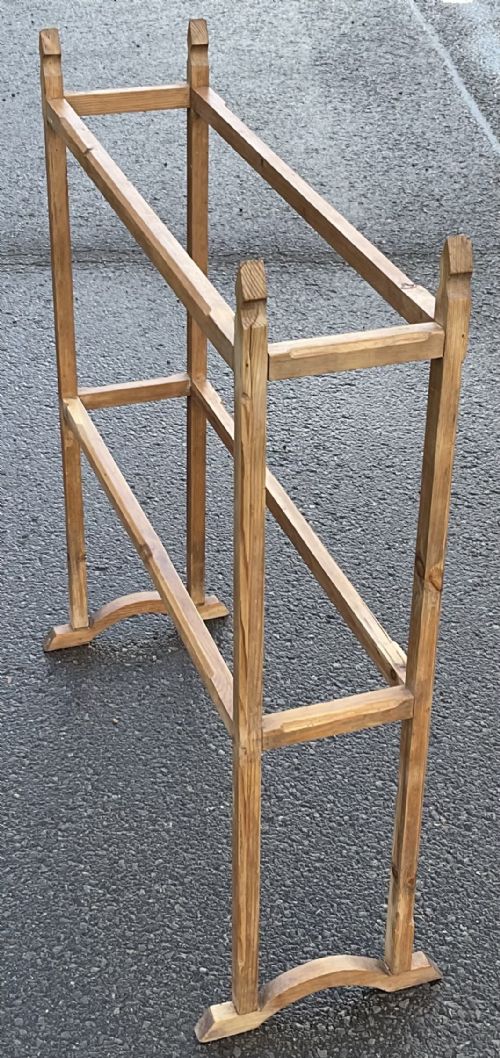
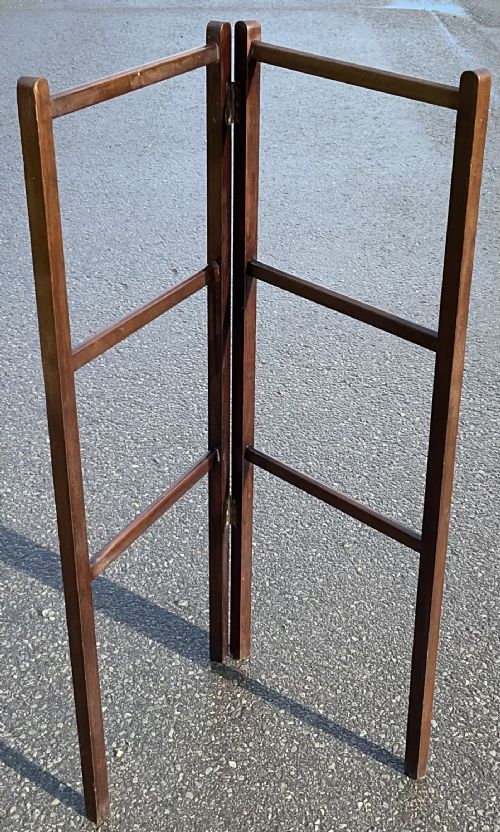
While the search names the Edwardian period, the selection includes pieces spanning the nineteenth century, Victorian era, Arts and Crafts style, and Regency period. Mahogany folding towel rails and standing pine frames appear most frequently alongside dedicated Edwardian examples.
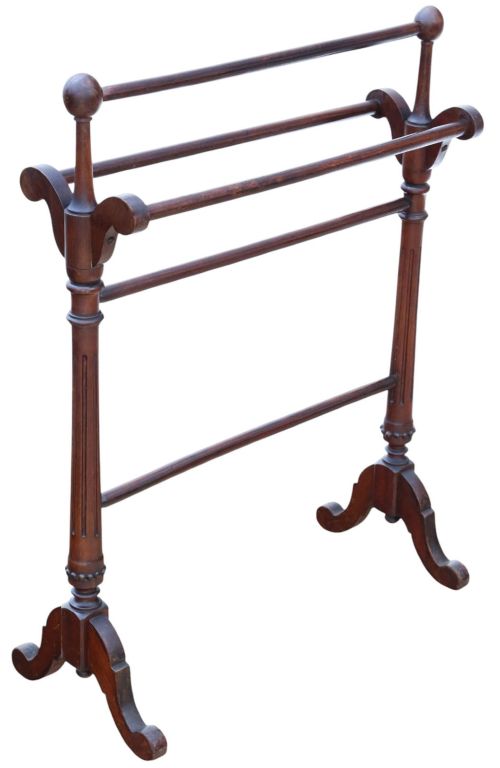
Standing towel rails form the bulk of the available designs, often featuring multiple wooden bars supported by upright side frames. Wall-mounted airers provide a space-saving alternative for smaller rooms, while nursery fenders combine a hearth guard with an integrated drying rail.
What varies in quality
The choice of timber dictates much of the physical substance, with dense mahogany and quarter-sawn oak representing heavier, more durable construction than lighter pine alternatives. Subtle details such as inlaid woodwork or finely turned uprights distinguish standard utility items from finer country house commissions.
Structural integrity depends on the tightness of the joints and the condition of the folding mechanisms where applicable. Pieces that retain their original timber surfaces without excessive replacement parts hold greater architectural integrity.
Edwardian Clothes Airer Retail Price Guide 2026
Typical asking prices for edwardian clothes airer among the pieces listed under this phrase on Sellingantiques today, from the lower quarter to the upper quarter. They describe what is for sale here now, not the wider market.
The listings on this site combine Edwardian items with nineteenth-century pieces, featuring materials such as mahogany, oak, pine, walnut, iron, and brass.
The Edwardian Clothes Airer Glossary
- Edwardian
- Relating to the reign of King Edward VII, spanning from nineteen hundred to nineteen ten, known for lighter domestic furniture styles. This era favoured graceful proportions compared to heavier preceding Victorian designs.
- Mahogany
- A durable reddish-brown tropical hardwood prized by cabinetmakers for its strength and fine grain. It forms the primary material for many superior standing towel rails.
- Ebonised wood
- Timber treated with a chemical stain or finish to imitate ebony. This dark, polished surface treatment appears on selected nineteenth-century and early twentieth-century stands.
- Nursery fender
- A protective metal guard placed around an open fireplace to keep children safe, sometimes fitted with an integrated clothes rail for drying garments by the hearth.
Edwardian Clothes Airer: Frequently Asked Questions
How were edwardian clothes airer stands used?
These pieces served primarily in bedrooms or dressing rooms for airing freshly laundered linens and garments. Families also placed them near fireplaces or in nurseries to dry damp clothing quickly.
Their lightweight construction allowed domestic staff or residents to move them easily from room to room depending on heating needs.
Where should I place a towel rail airer?
Standing rail stands fit well in traditional bathrooms, utility spaces, or spacious bedrooms as functional display pieces. Wall-mounted versions suit smaller kitchens or cloakrooms where floor space remains limited.
Keeping them away from direct, excessive heat sources prevents the timber from drying out or warping over decades of use.
How do I identify an Edwardian period piece?
Edwardian examples typically display lighter proportions, simpler lines, and less ornamentation than earlier Victorian items. Mahogany and pine construction with straightforward turning marks many pieces from this decade.
Comparing the timber finish and hardware against known nineteenth-century characteristics helps distinguish the exact era of production.
Are these rails suitable for modern daily use?
Solid wood rails handle damp towels and everyday garments reliably provided the frame joints remain secure. Folding models should be opened and closed with care to protect the original hinges.
Gentle cleaning with a soft cloth maintains the polished timber surfaces without stripping the historical patina.