




Edwardian China Set
An edwardian china set brings the painted floral motifs and gilded borders of the early twentieth century directly to the table.
Edwardian China Set
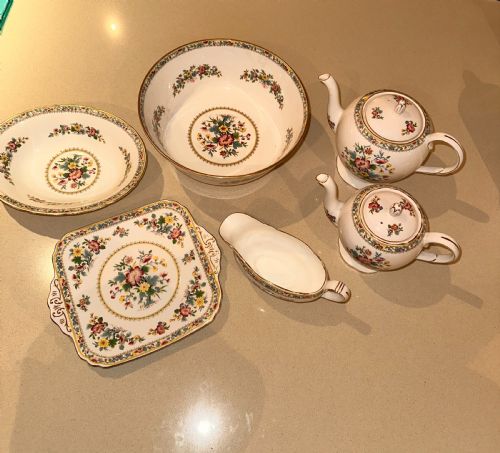
An edwardian china set comprises matched or complementary ceramic pieces designed for tea, coffee, dessert, or full dinner service. These groupings typically originate from the early decades of the twentieth century, bridging the late Victorian aesthetic and subsequent periods.
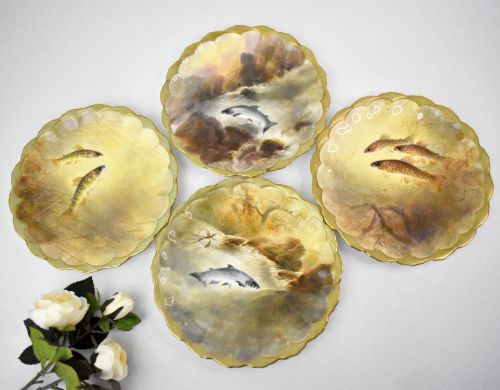
The selections span comprehensive dinner services, cased coffee cups and saucers, and decorative cabinet plates. Forms range from extensive multi-piece dinnerware to intimate tea trios and dessert sets intended for specific dining rituals.
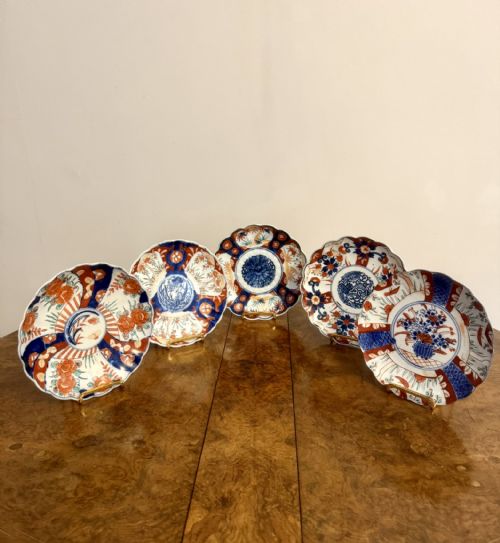
Makers and potteries from the era produced these services using bone china, porcelain, and earthenware, often incorporating hand-painted details and gilding. Pieces reflect traditional English styles alongside Japanese Imari influences and early naturalist motifs.
How They Were Made
Potters shaped these services from bone china, porcelain, and earthenware before applying underglaze or overglaze decoration. Skilled hands painted floral patterns, landscapes, and game birds directly onto the ceramic body.
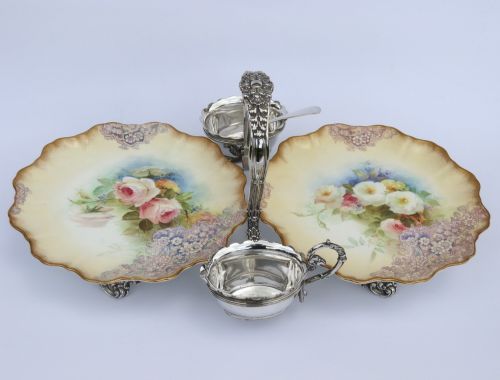
Makers embellished surfaces with gold leaf, gilt, and enamel highlights to frame hand-painted scenes and patterned borders. Metal components such as silver plate complemented select dessert sets alongside the ceramic wares.
Edwardian China Set Retail Price Guide 2026
Typical asking prices for edwardian china set among the pieces listed under this phrase on Sellingantiques today, from the lower quarter to the upper quarter. They describe what is for sale here now, not the wider market.
Listings feature porcelain, bone china, and earthenware across periods spanning the Victorian era through the nineteen-forties.
What Varies in Quality
The distinction between standard production wares and finer services rests upon the execution of hand-painted details and the application of gold leaf. Skilled brushwork by named artists elevates cabinet plates and tea sets above basic transfer-printed alternatives.
The completeness and integrity of a service influence its character, particularly when matching intricate patterns across large dinner or tea sets. Preservation of original gilding and enamel work across every individual piece determines the overall cohesion of the set.
Walker and Hall·Doulton Burslem·Royal Doulton·Booths·Coalport·Royal Worcester·Royal Albert Crown China·Wileman Foley Shelley·Royal Crown Derby·Copeland Spode·Gladstone Potteries
The Edwardian China Set Glossary
- Bone china
- A type of soft-paste porcelain incorporating bone ash for added strength and translucency. It forms the basis of many fine British tea and dinner services.
- Gilt
- A thin layer of gold applied to the ceramic surface to accent handles, rims, and painted scenes. This decorative technique catches the light during formal table settings.
- Cabinet plate
- A decorative ceramic plate intended for display in a cabinet rather than functional dining use. These pieces often feature detailed hand-painted scenes by notable artists.
- Imari
- A decorative style inspired by Japanese export wares, featuring rich cobalt blue and iron red contrasted with gilding. British potteries adapted this palette for various services.
- Trio
- A matched set consisting of a teacup, saucer, and matching tea plate. It represents a standard unit for individual tea service.
Edwardian China Set: Frequently Asked Questions
What is included in an edwardian china set?
These groupings typically contain cups, saucers, plates, and serving vessels intended for tea, coffee, or formal dining. Some comprise large multi-piece dinner services while others form smaller breakfast or dessert gatherings.
Items often share a unified pattern, colour palette, or gilding style applied across porcelain or bone china bodies.
How were these sets used originally?
Sets were employed for formal household dining, afternoon tea gatherings, and receiving guests in domestic parlours. Different configurations suited specific social rituals of the period.
Cabinet plates served a purely decorative function, displayed in furniture built specifically to showcase fine ceramics.
How do I care for antique china?
Hand washing in warm water with a mild detergent preserves delicate hand-painted motifs and gilded edges. Avoid soaking pieces for extended periods or placing them in modern dishwashers.
Storage requires padded dividers between stacked plates to prevent surface scratching on the glaze.
How do I identify the period of a set?
Maker marks stamped or painted on the underside of the ceramic provide primary evidence for dating a service. Stylistic indicators such as blush ivory grounds, transfer prints, and specific floral painting styles also point to the era of manufacture.