

Edwardian Chiffonier
An Edwardian chiffonier offers practical storage and a distinctive mirrored or shelved upper section, bringing refined utility to a sitting room or dining space.
Edwardian Chiffonier
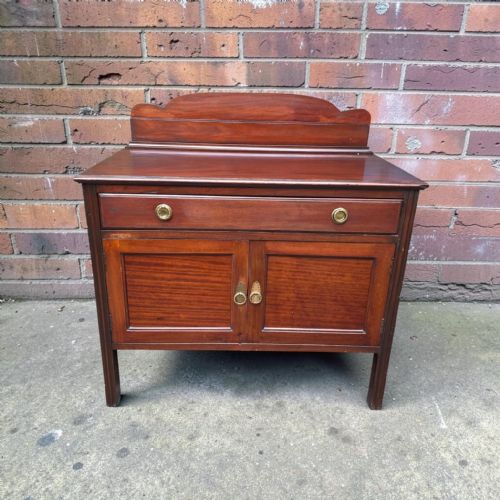
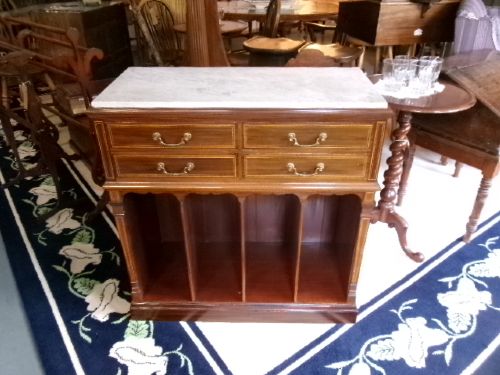
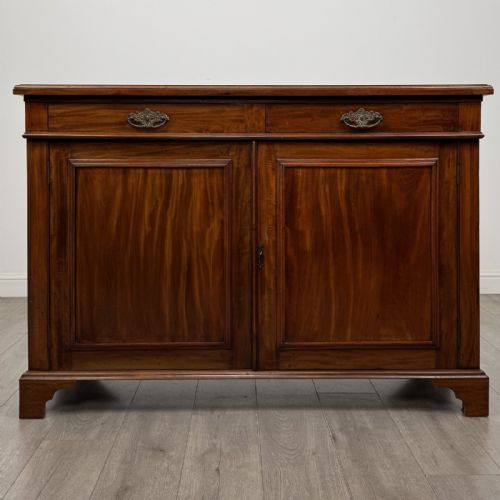
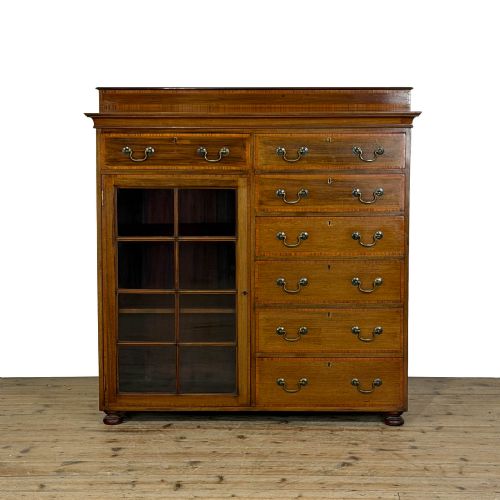
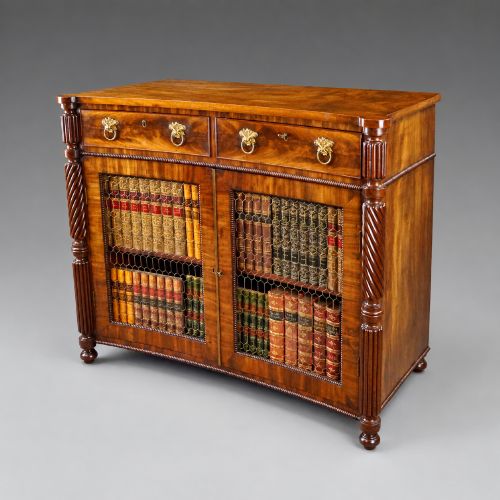
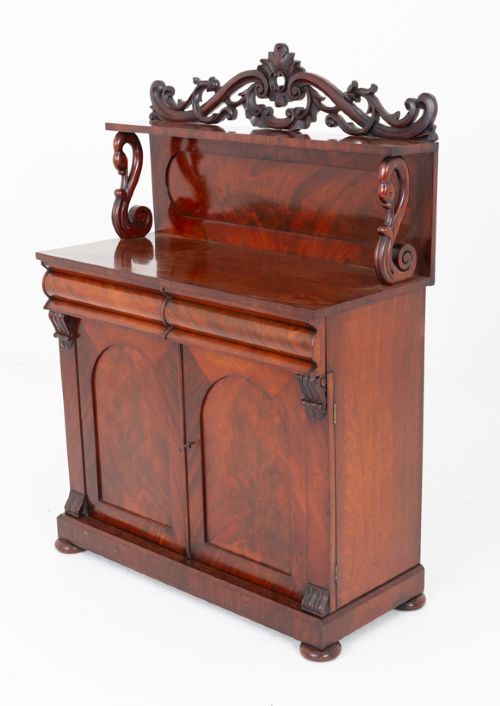
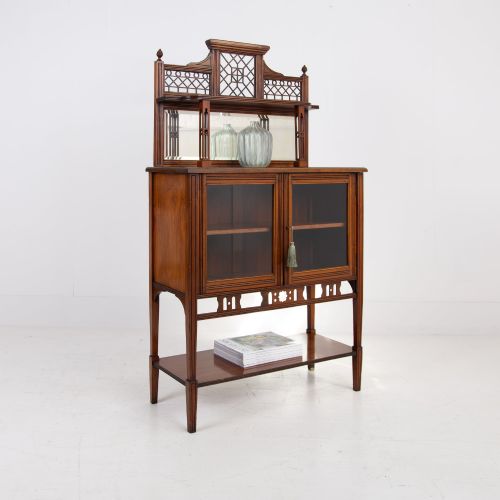
When searching for an edwardian chiffonier, buyers examine low-built storage units that combine enclosed cupboards below with display space or a mirror on top. These pieces reflect the domestic priorities of the early twentieth century, providing neat compartments for glassware, linens, or books.
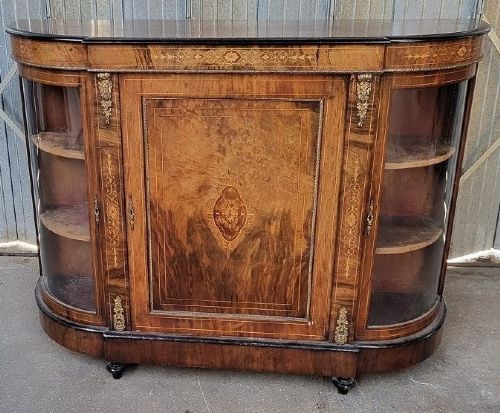
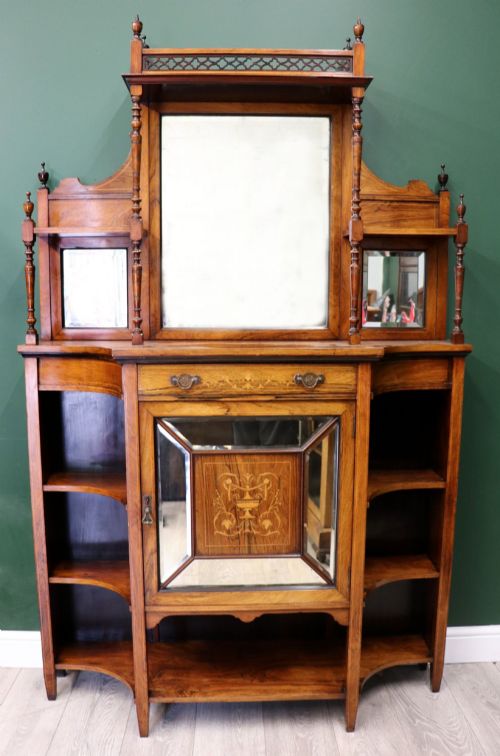
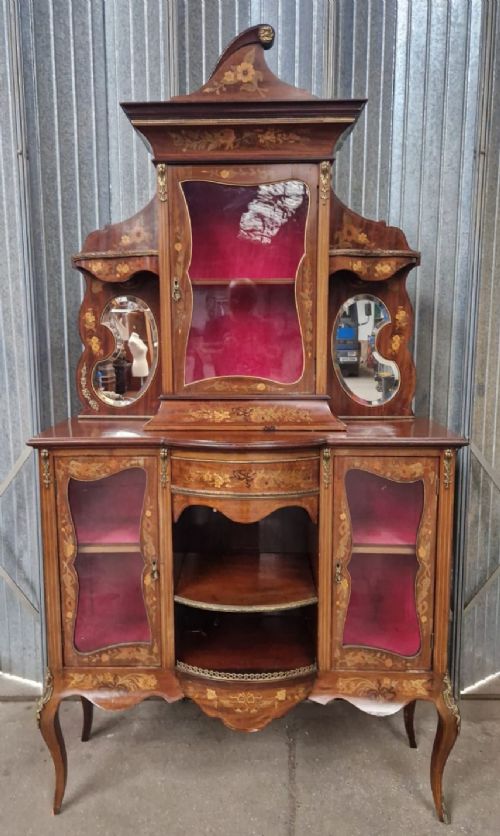
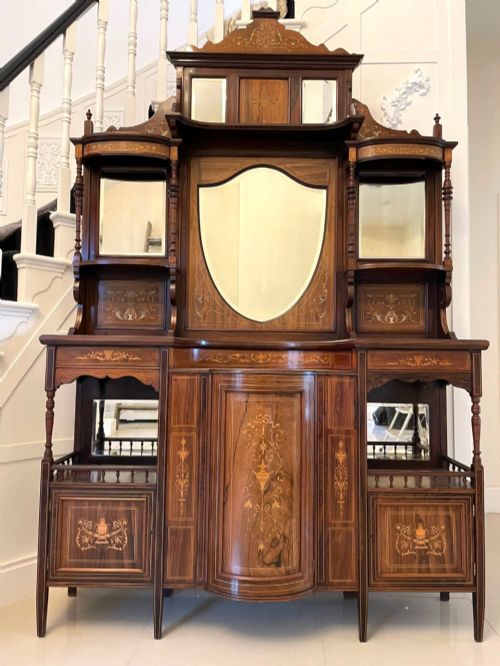
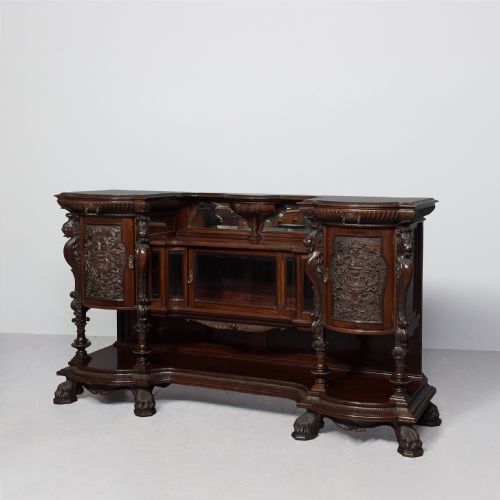
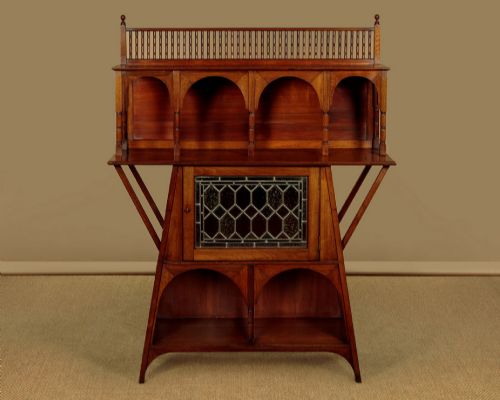
The versions most commonly met on this page are constructed from mahogany or rosewood, frequently incorporating inlaid details and small back-shelves. Alongside dedicated Edwardian examples, the selection includes related Victorian and late nineteenth-century side cabinets and mirror-back sideboards that share a similar architectural layout.
Materials and construction
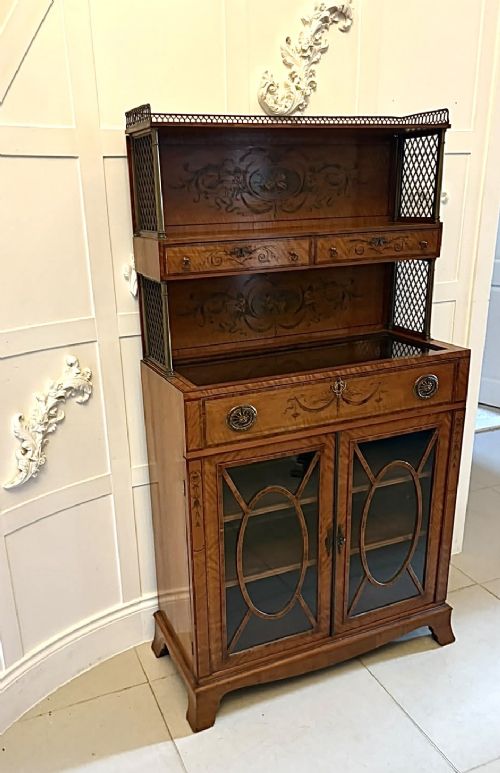
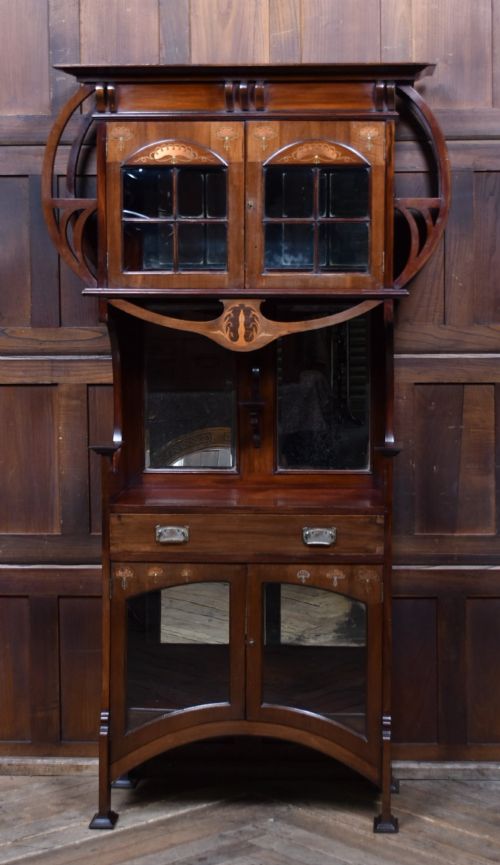
Cabinet makers utilised a range of dense hardwoods including mahogany, rosewood, walnut, and oak, often selecting figured veneers for the primary surfaces. Finer items incorporate satinwood or contrasting marquetry inlay to create delicate geometric or floral patterns across doors and friezes.
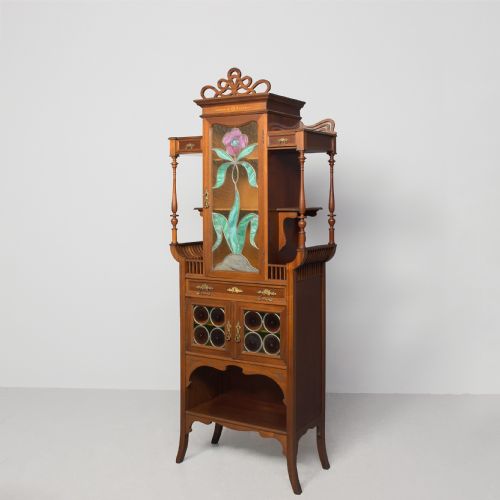
Structural elements frequently feature brass hardware such as castors and handles, while glazed sections utilise clear glass panels. Mirror glass, sometimes bevelled, is integrated into the upper back tiers of larger side cabinets and chiffoniers.
Edwardian Chiffonier Retail Price Guide 2026
Typical asking prices for edwardian chiffonier among the pieces listed under this phrase on Sellingantiques today, from the lower quarter to the upper quarter. They describe what is for sale here now, not the wider market.
Listings span the Victorian and Edwardian periods, featuring cabinet woods such as mahogany, rosewood, walnut, oak, and satinwood.
Distinctions in craftsmanship
The upper tier of craftsmanship appears in the crispness of the marquetry inlay and the depth of the timber grain selected for the carcase and drawer fronts. Superior examples demonstrate precise joinery in the framing of doors and the fitting of internal shelves.
Attention to secondary details, such as original brass castors, well-turned mirror supports, and intact mirrored glass, separates standard utility items from more ambitious parlour cabinets.
Liberty and Co
The Edwardian Chiffonier Glossary
- Chiffonier
- A low sideboard or cabinet, typically featuring enclosed lower cupboards and a raised shelf or mirror on top. This form evolved during the nineteenth century to serve dining and parlour rooms.
- Marquetry
- Decorative patterns formed by fitting together small pieces of contrasting veneer into wood panels. Artisans employ this technique to create floral or geometric motifs.
- Credenza
- A sideboard or low cabinet without legs, frequently used for display and storage. Nineteenth-century versions often include curved glass doors and elaborate inlay.
- Pollard oak
- Timber taken from trees that have been pollarded, producing a heavily knotted and textured grain pattern. Cabinet makers valued this wood for decorative drawer fronts and panel surfaces.
- Waterfall bookcase
- A set of open bookshelves where each successive shelf is set back from the one below, creating a stepped profile. These pieces appeared in mahogany and other cabinet timbers during the nineteenth century.
Edwardian Chiffonier: Frequently Asked Questions
What is an edwardian chiffonier?
An edwardian chiffonier is a low timber cabinet designed for domestic storage, featuring enclosed cupboards paired with an upper shelf or mirror. These pieces served practical roles in sitting rooms and dining spaces.
They provide a compact footprint while offering surface display area and concealed compartment space for household items.
How do you style a side cabinet?
Side cabinets and chiffoniers work well against principal walls in living rooms or hallways, providing a surface for lamps, ceramics, or framed pictures. The upper shelves or mirrors allow for the arrangement of small decorative objects.
Their proportions complement period interiors as well as mixed modern rooms needing timber warmth and enclosed storage.
How do I identify Edwardian furniture?
Edwardian pieces date from the reign of King Edward VII, spanning the first decade of the twentieth century. They frequently show lighter proportions and brighter timbers than heavy Victorian equivalents.
Common markers include inlaid satinwood decoration, rosewood crossbanding, and simpler architectural lines influenced by the Arts and Crafts movement.