

Edwardian Cabinet with Doors
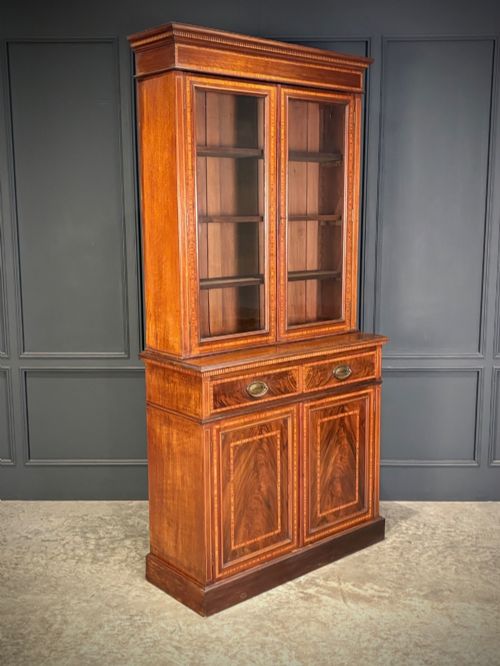
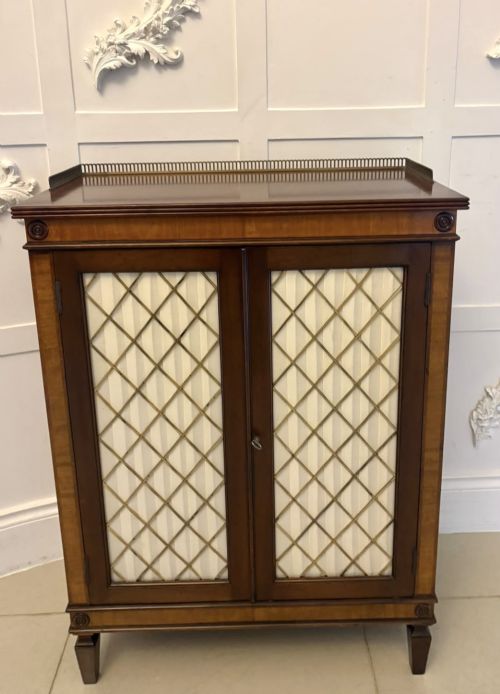
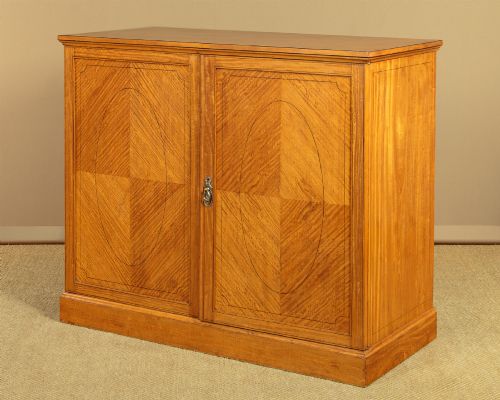
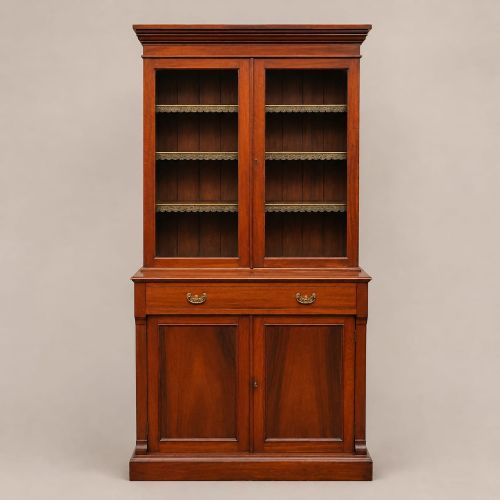
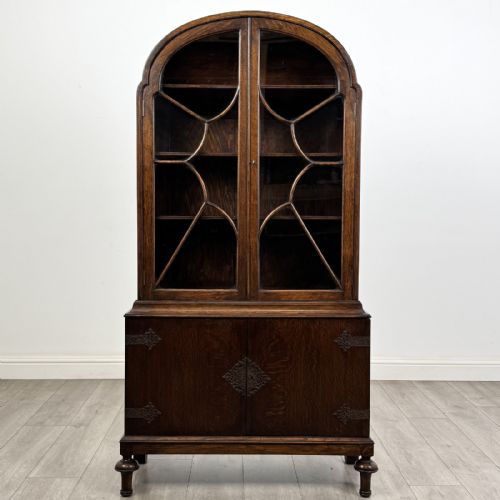
An edwardian cabinet with doors provides functional storage while displaying glass-fronted shelving or timber panels.
Edwardian Cabinet with Doors
When searching for an edwardian cabinet with doors, buyers encounter pieces designed for storage and display across domestic spaces. These furnishings combine practical compartments with architectural fronts intended to showcase china, books, or personal collections.
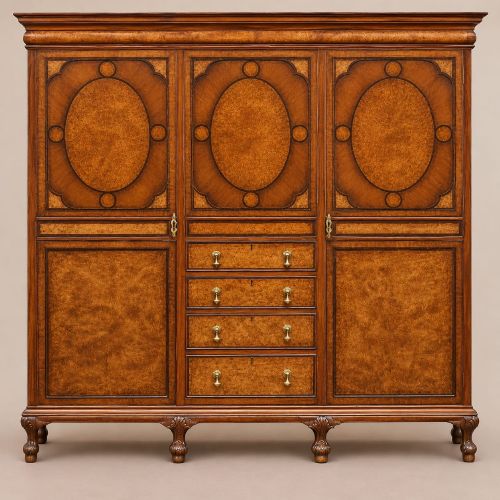
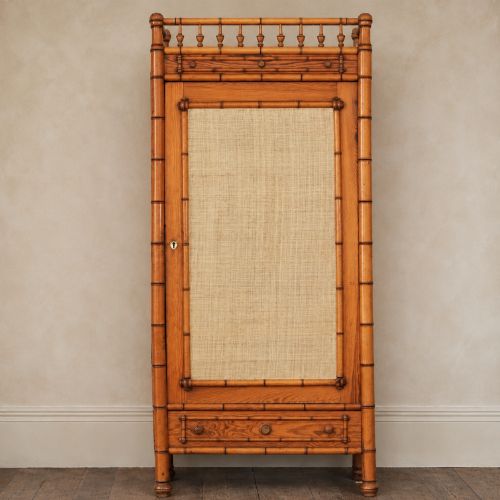
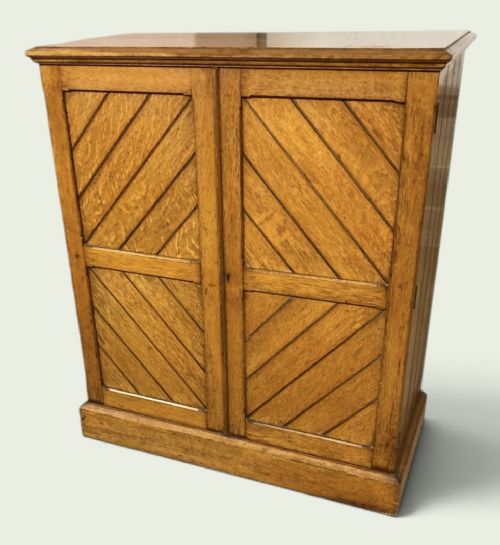
The selections available range from glazed display furniture to bedside cupboards and larger wardrobes. Oak and mahogany form the primary carcasses, frequently paired with glass panels or timber doors.
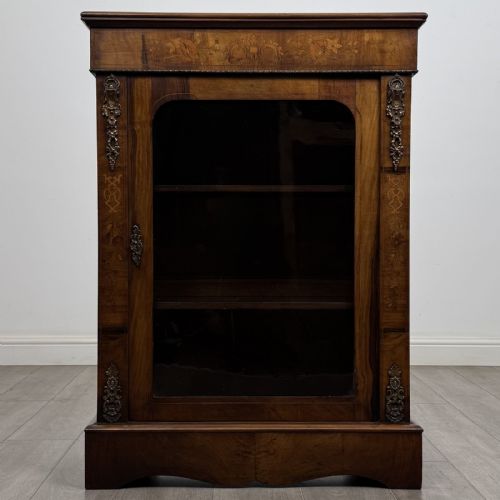
Makers of this era drew upon earlier design revivals, producing pieces that reflect Sheraton, Louis XVI, and Arts and Crafts influences. Buyers meet both straightforward utility cupboards and intricately inlaid display variants on this page.
Materials and Construction
Timbers such as oak, mahogany, and walnut provide the structural foundation for these pieces. Workshops utilised solid woods alongside veneered surfaces to create durable cabinet bodies.
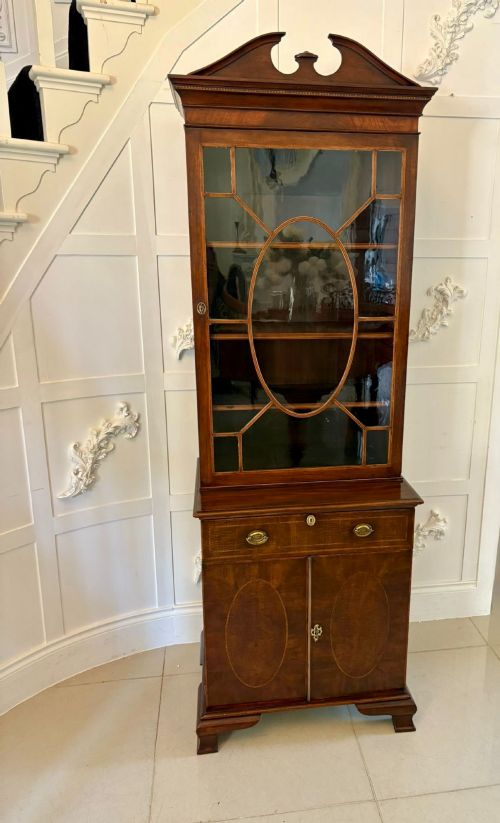
Decorative elements involve satinwood inlay, brass galleries, hand-painted panels, and gilt mounts. Glazing techniques secure glass panes within wooden frameworks to form viewing doors for books and china.
Edwardian Cabinet with Doors Retail Price Guide 2026
Typical asking prices for edwardian cabinet with doors among the pieces listed under this phrase on Sellingantiques today, from the lower quarter to the upper quarter. They describe what is for sale here now, not the wider market.
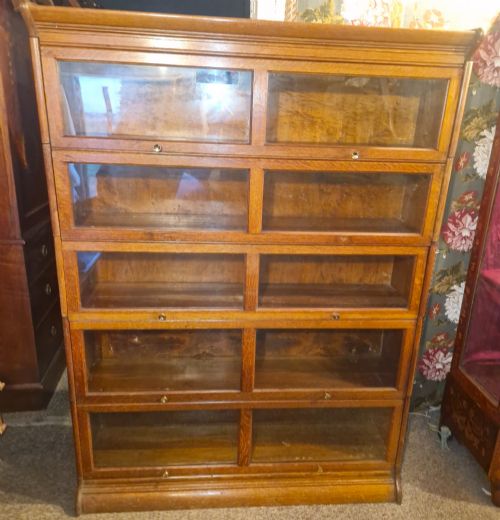
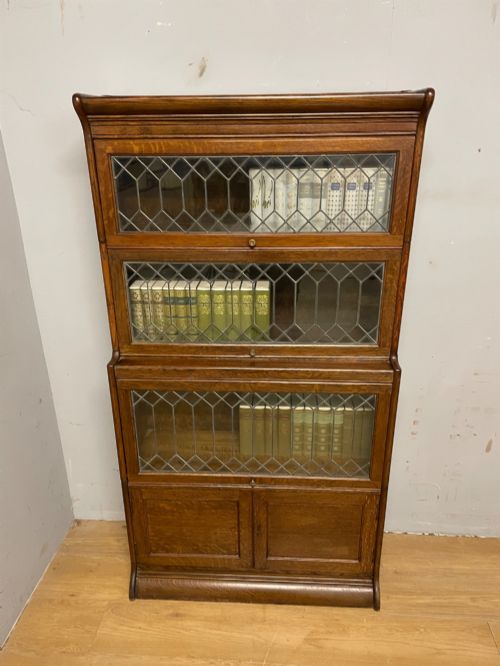
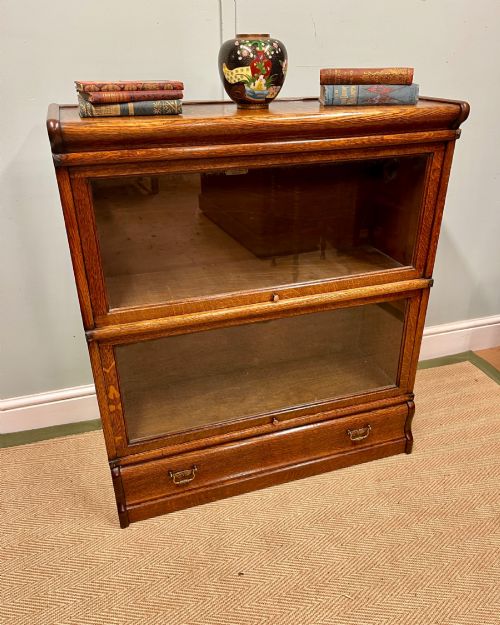
Sectional barrister bookcases let owners stack extra tiers of glass doors like building blocks as their book collections grow.
Judging Quality
The refinement of the timber selection distinguishes standard utility pieces from finer examples. Figured veneers, burr walnut grains, and intricate satinwood inlay indicate greater workshop care.
Hardware execution and glazing precision mark further distinctions in cabinet construction. Well-fitted doors, original brass fittings, and hand-painted details separate mass production from skilled craftsmanship.
Tudor and Burrey·Minty·Globe Wernicke
The Edwardian Cabinet with Doors Glossary
- Astragal glazed
- A method where wooden strips divide glass panes into smaller geometric sections. These delicate bars frame the contents while holding the window structure together.
- Satinwood inlay
- A contrasting light timber inserted into darker wood surfaces to form decorative patterns. This ornamental technique highlights borders and central panels.
- Secretaire
- A cabinet incorporating a pull-down writing drawer with an internal fitted arrangement of small compartments. It combines desk functionality with enclosed shelving storage.
- Compactum
- A large wardrobe cabinet containing multiple internal configurations such as drawers, sliding trays, and hanging space. This multi-purpose unit maximises bedroom storage efficiency.
Edwardian Cabinet with Doors: Frequently Asked Questions
How do I clean an antique cabinet?
Dust timber surfaces regularly with a dry cloth to prevent dirt accumulation. Avoid modern silicone sprays that damage historic polishes.
Apply a traditional beeswax sparingly when the wood appears dry. Buff gently with a soft brush to maintain the natural patina of the finish.
Can these cabinets hold heavy books?
Sturdy oak and mahogany bookcases support standard volumes safely. Check shelf thickness and internal support brackets before loading heavy collections.
Distribute weight evenly across adjustable shelves to prevent warping over time. Stack oversized folios on lower fixed shelves for optimal stability.
Where should I place my cabinet?
Position wooden furniture away from direct sunlight and heat sources to prevent timber cracking. Stable indoor temperatures preserve the integrity of veneers and joints.
Allow clearance around doors and drawers to ensure smooth operation. Keep pieces clear of damp exterior walls to protect historical finishes.
How do I identify Edwardian style?
Edwardian furnishings often feature lighter proportions than heavy Victorian predecessors. Designs frequently revive Sheraton and neoclassical motifs with refined inlay work.
Look for satinwood panels, painted details, and simpler structural lines. Mahogany and oak remain common, often combined with clean glass door configurations.