






Edwardian Brass Equipment
Edwardian brass equipment comprises functional instruments, maritime gear and scientific apparatus forged in durable metal during the early twentieth century.
Edwardian Brass Equipment
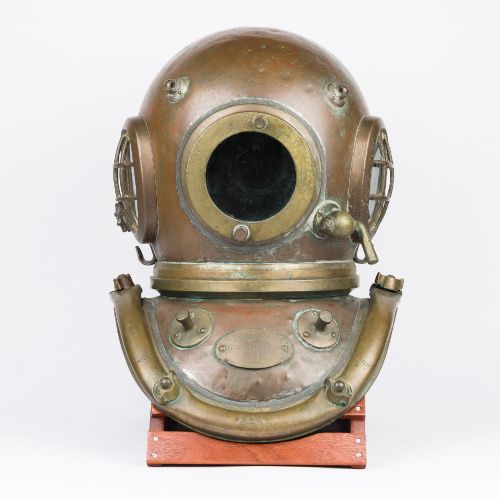
Edwardian brass equipment encompasses a diverse assortment of utilitarian hardware, scientific instruments and maritime apparatus produced around the turn of the twentieth century. When searching for edwardian brass equipment, collectors encounter specialised items ranging from navigation tools and diving helmets to medical scales and photographic cameras. These pieces reflect the robust engineering and utility-driven design of the period, executed predominantly in solid brass with supplementary materials such as oak, mahogany and glass.
The objects represented span various spheres of professional and domestic life, including maritime navigation, military reconnaissance, scientific measurement and domestic hearth accessories. Such items served specific practical functions in Royal Navy operations, medical practices, and daily commerce before finding their way into modern collections. Buyers typically discover items bearing the distinct stamps of prominent instrument makers and military contractors from the Edwardian era and surrounding decades.
How edwardian brass equipment was made
Construction relies heavily on heavy-gauge brass components, shaped through casting, turning and hammering to withstand rigorous daily use in maritime, scientific or military environments. Makers combined this primary metal with seasoned hardwoods like oak and mahogany for bases, tripods and storage cases, adding glass for optical and barometer dials, and occasional leather or copper detailing.
Assembly methods prioritised mechanical strength and precision, utilising threaded fittings, dovetailed wooden joints and riveted plates to ensure durability under field conditions. Maker details, government acceptance marks and serial numbers were frequently engraved or stamped directly into the metal surfaces using punches.
Edwardian Brass Equipment Retail Price Guide 2026
Typical asking prices for edwardian brass equipment among the pieces listed under this phrase on Sellingantiques today, from the lower quarter to the upper quarter. They describe what is for sale here now, not the wider market.
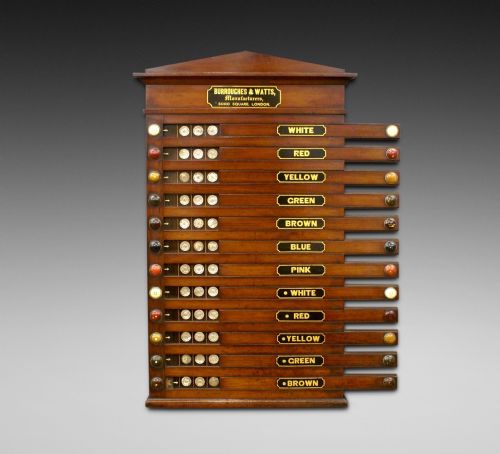
A life pool scoreboard reminds us that Victorians kept strict tally of their billiard wagers with brass sliding markers.
What varies in quality
Quality in edwardian brass equipment is determined by the precision of mechanical movement, the clarity of lenses or glass dials, and the integrity of supplementary wooden and leather elements. Superior examples display crisp maker inscriptions, uncompromised structural stability, and smooth operation of moving parts such as focusing racks or scientific scales.
The presence of original fitted boxes, matching tripods, and verifiable military or governmental broad arrow acceptance marks distinguishes standard utilitarian hardware from pieces produced by premier scientific workshops. Original patina and minimal alteration to the primary brass and wood surfaces further indicate a well-preserved survivor.
Hughes & Son·Siebe Gorman·R & J Beck Ltd·Short & Mason London·C.P. Goerz·Benetfink & Co·Negretti & Zambra·Swift & Son·De Grave & Co·Burroughes and Watts
The Edwardian Brass Equipment Glossary
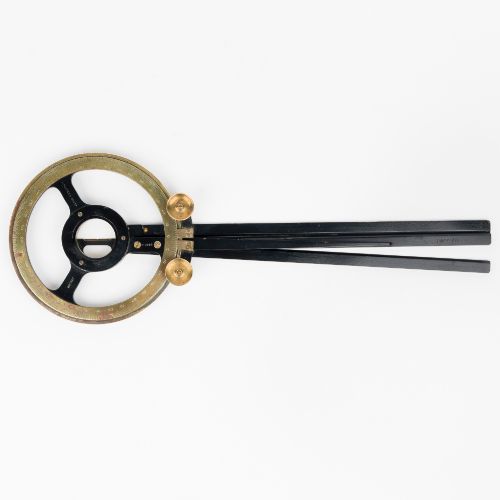
- Station pointer
- A navigational instrument used by surveyors and mariners to fix a ship's position by measuring horizontal angles between three visible objects.
- Barograph
- A self-recording aneroid barometer that continuously plots atmospheric pressure on a rotating paper drum over the course of a week.
- Hygrodeik
- A specialised type of wet and dry bulb hygrometer designed to measure relative humidity through temperature differences.
- Theodolite
- A precision optical instrument used for measuring angles in horizontal and vertical planes during surveying and mapping work.
- Tufnell box
- A military training device or signal practice set housed in a durable wooden case for instructional use.
Edwardian Brass Equipment: Frequently Asked Questions
What is edwardian brass equipment used for today?
These items serve primarily as decorative display pieces, maritime conversation items, or study pieces for collectors of scientific instruments and military hardware.
Many buyers incorporate them into study rooms, libraries or industrial interiors where their tactile materials and mechanical forms create a distinct period aesthetic.
How do I identify a genuine period piece?
Authentic pieces typically feature period-appropriate construction methods, including hand-stamped maker inscriptions, heavy brass castings and period timber cases.
Examining the depth of engraving, screw types and the natural wear on working surfaces helps distinguish genuine early twentieth-century manufacture from later reproductions.
Are these scientific and maritime instruments still operational?
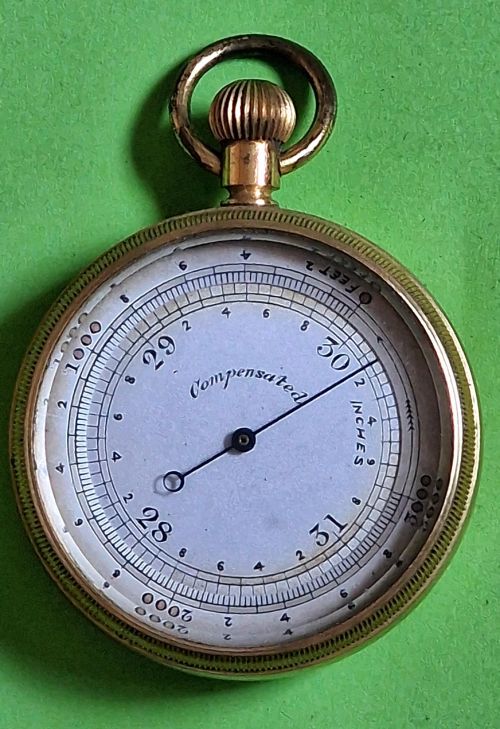
Some items, such as barometers, compasses and certain optical tools, retain their mechanical function after cleaning and calibration.
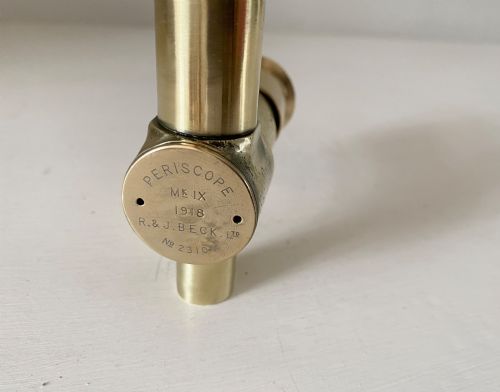
Others, particularly military periscopes or complex survey equipment, are best preserved as static display objects due to age and missing optical components.
How should I clean and care for brass equipment?
Routine maintenance requires only a soft cloth to remove dust from metal and wood surfaces, preserving the accumulated historical patina.
Harsh chemical polishes should be avoided because they strip away the aged surface character valued by collectors of antique hardware.