


Edwardian Bench
These pieces gather the practical seating and resting forms of the early twentieth century into a single tradition of craftsmanship.
Edwardian Bench
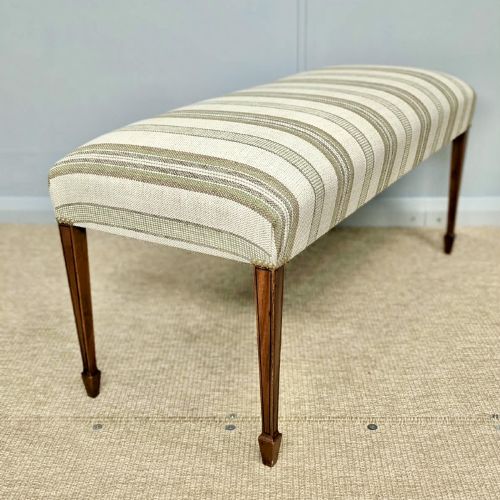
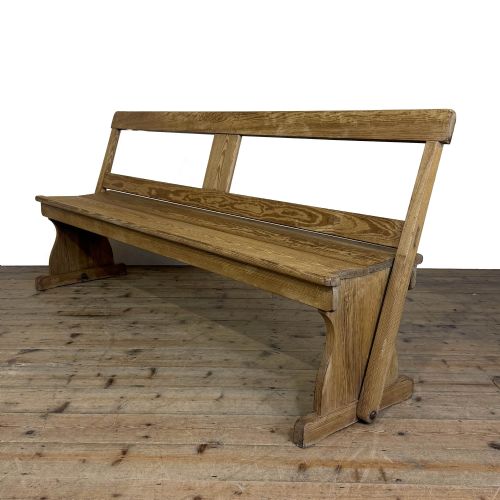
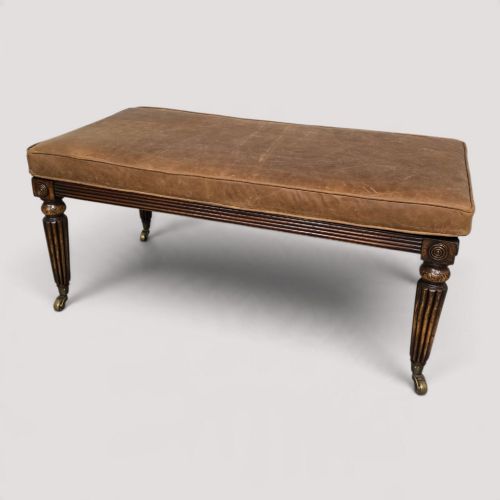
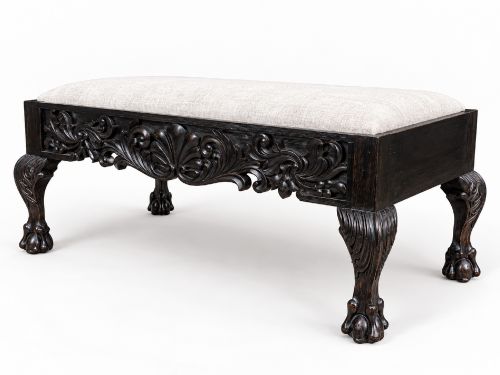
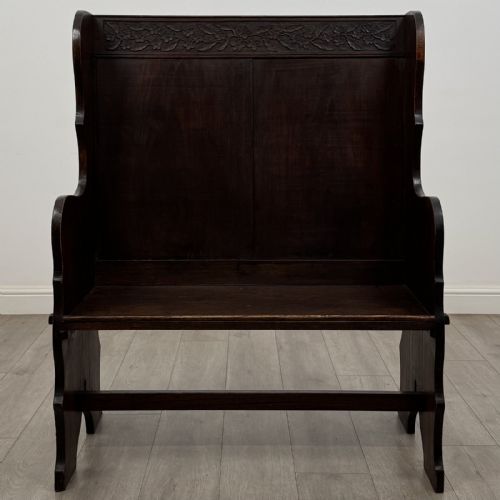
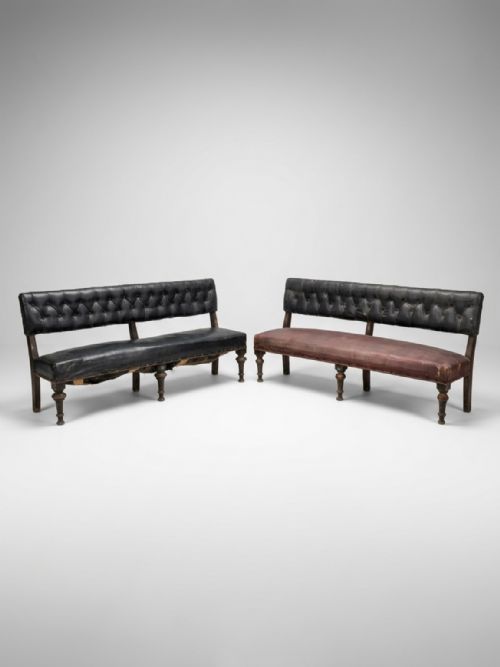
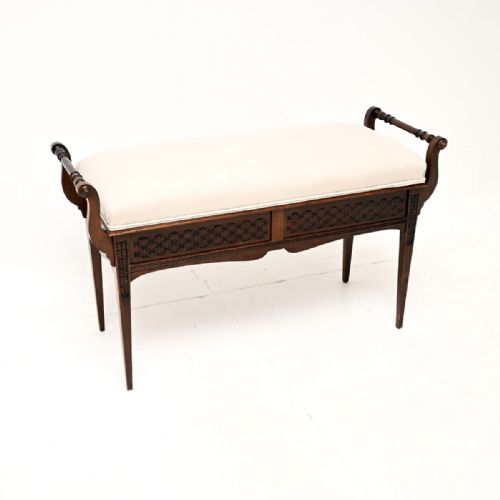
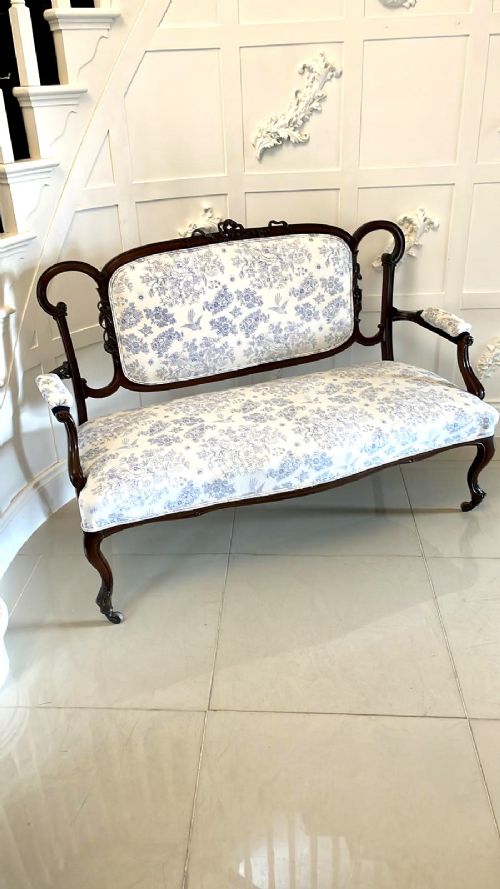
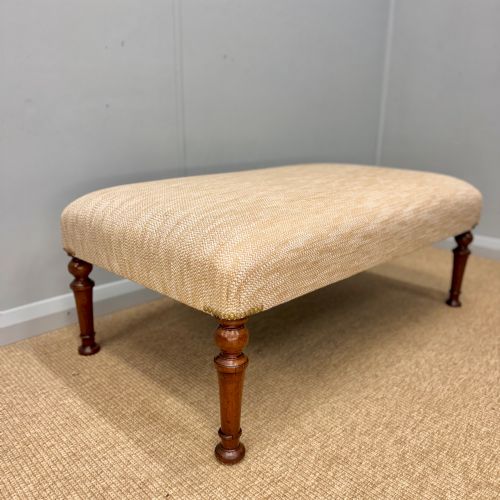
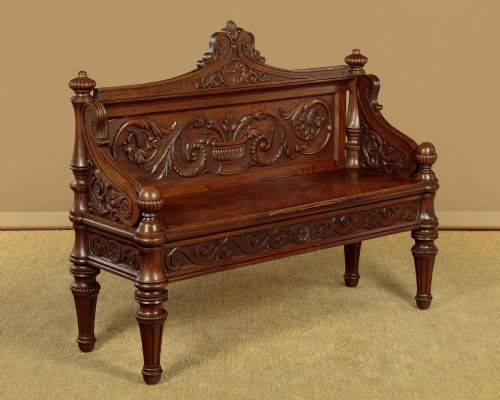
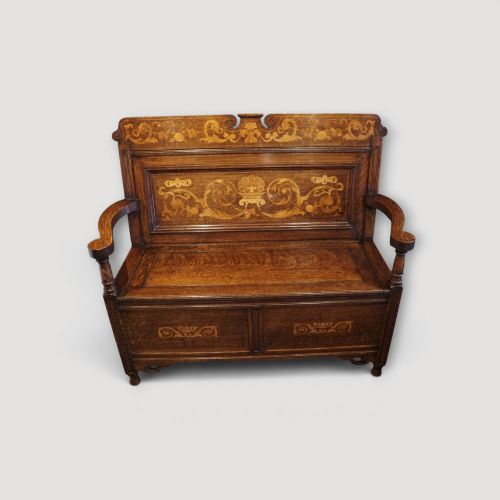
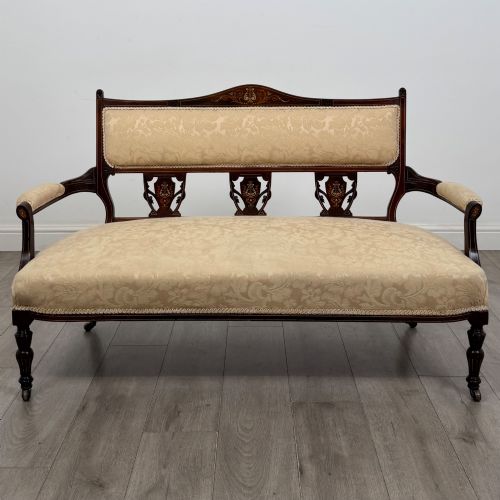
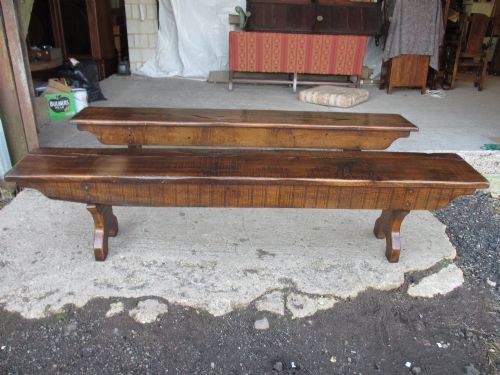
An edwardian bench encompasses a diverse collection of oak, mahogany, and mixed hardwood forms designed for domestic utility and reception spaces. Buyers encounter variations ranging from heavy oak refectory seating and hall benches with carved panels to inlaid satinwood sofas and piano stools.
The selections span distinct periods including the Edwardian era itself, alongside Victorian, 19th Century, and 1920 examples. Object types often cross over into related categories such as luggage racks, day beds, and hall seats with integrated storage or coat stands.
Materials and construction methods
Makers utilised solid timbers like oak and mahogany as the foundational structure for these seats, frequently adding brass hardware, cane panels, or glass elements where appropriate. Upholstery materials recorded in the pieces include chenille and various fabric coverings paired with internal padding.
Construction relies on traditional joinery techniques suited to hardwood and softwood frames, incorporating carved ornamentation, inlaid satinwood details, and shaped trestle ends. Surface finishes range from polished natural grain to white painted treatments and giltwood applications.
Edwardian Bench Retail Price Guide 2026
Typical asking prices for edwardian bench among the pieces listed under this phrase on Sellingantiques today, from the lower quarter to the upper quarter. They describe what is for sale here now, not the wider market.
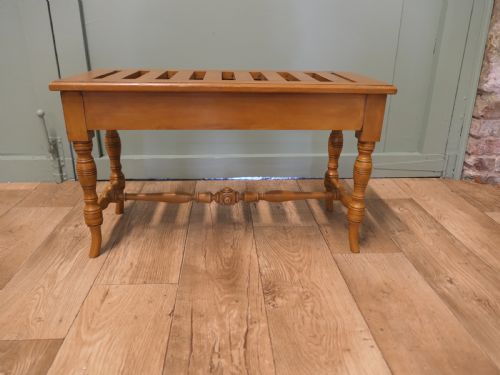
Some sturdy oak luggage stands previously served guests in demanding West End hotel rooms before finding new life in domestic hallways.
Distinctions in construction and design
The standard of an edwardian bench rests upon the selection of timber and the precision of its carved or inlaid decoration. Pieces utilising dense golden oak or finely figured mahogany with intricate marquetry demonstrate superior workshop execution compared to plainer utility items.
Structural integrity and originality of elements such as hardware, fabric, and fitted storage compartments dictate the standing of a piece. Examples retaining maker labels or associated with notable design movements show elevated refinement in proportion and finish.
James Shoolbred·Heals·C. Hindley & Sons·Gillows
The Edwardian Bench Glossary
- Settee
- A small upholstered sofa designed for two or more people. These pieces often feature inlaid frames or carved wooden supports.
- Luggage stand
- A low folding or fixed rack utilised for holding suitcases or travel chests. They are frequently constructed from solid oak with slatted tops.
- Hall seat
- A functional piece placed in an entranceway, occasionally combining a bench with storage cupboards, umbrella stands, or coat hooks.
- Duet piano stool
- A wide seat designed for two musicians sitting side by side at a keyboard. Many incorporate hinged lids revealing internal compartment storage for sheet music.
Edwardian Bench: Frequently Asked Questions
What defines an Edwardian bench?
These items encompass practical wooden seating, hall settles, and piano stools produced during the early twentieth century. They emphasise functional domestic utility combined with decorative revival styles.
Craftsmen utilised solid hardwoods like oak and mahogany, frequently incorporating storage compartments, carved panels, or inlaid woodwork into the design.
Where were these benches used?
Historical examples served various practical roles throughout domestic interiors, particularly in entrance halls, bedrooms, and reception rooms. Luggage stands and day beds also furnished hospitality spaces and West End hotels.
Their robust construction allowed them to withstand heavy daily traffic while providing convenient seating or luggage support.
How do I care for wooden frames?
Maintain polished oak and mahogany surfaces by dusting regularly with a dry cloth and applying appropriate beeswax periodically. Avoid placing wooden furniture near direct heat sources to prevent timber splitting.
Upholstered sections benefit from gentle vacuuming and professional cleaning when dealing with delicate fabrics like chenille.
How can I tell the period?
Dating relies on identifying characteristic design motifs, wood types, and construction methods associated with specific decades. Edwardian pieces often display lighter satinwood inlays and Arts and Crafts influences.
Earlier Victorian examples tend to feature heavier carved mahogany frames, darker finishes, and distinct upholstery techniques.