

Edwardian Artwork
Edwardian artwork encompasses oil paintings, watercolours, charcoal sketches, and pastel portraits capturing landscapes, maritime scenes, and domestic life from the turn of the twentieth century.
Edwardian Artwork
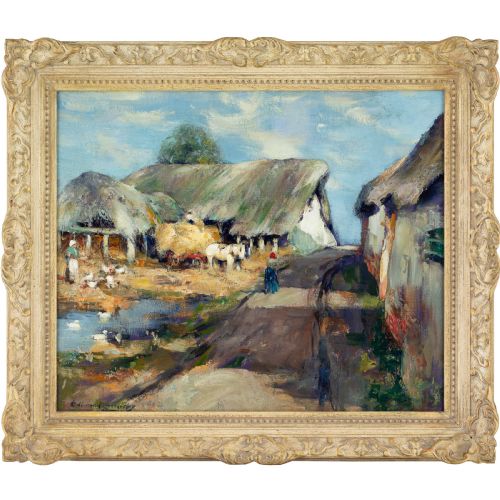
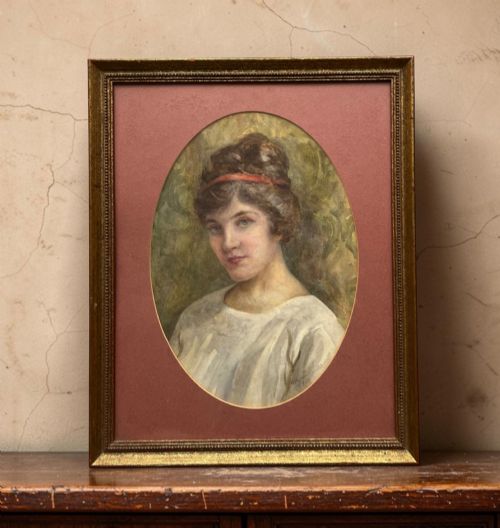
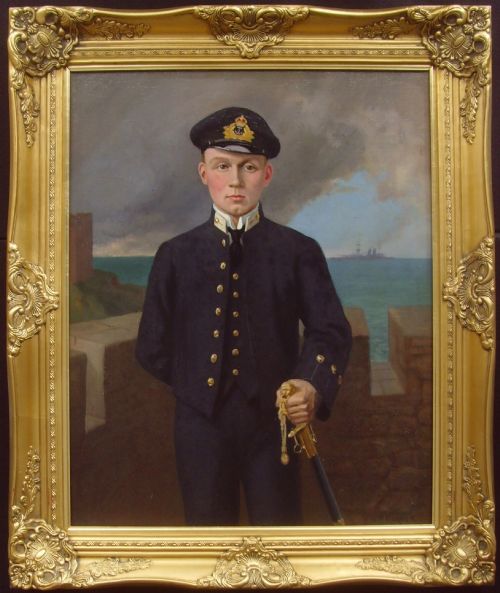
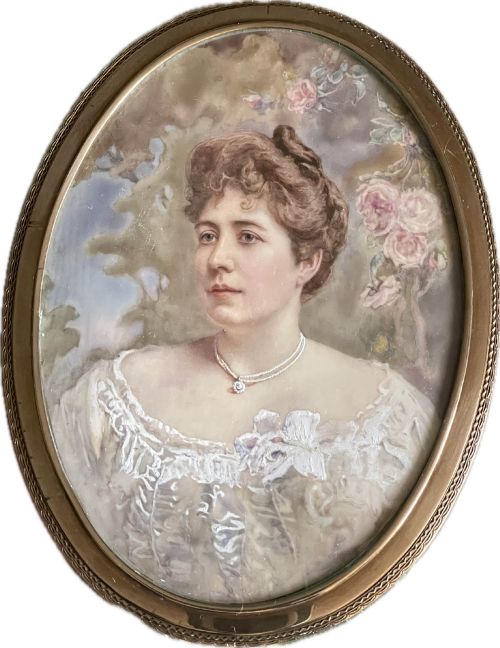
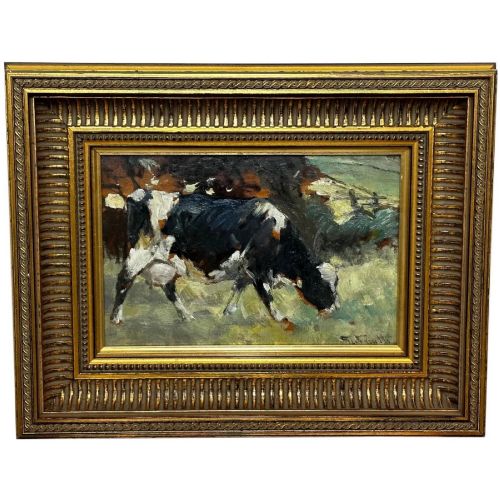
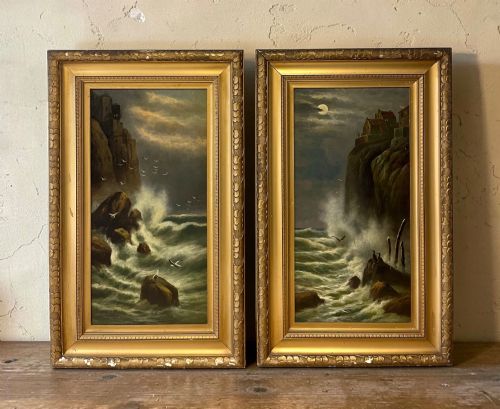
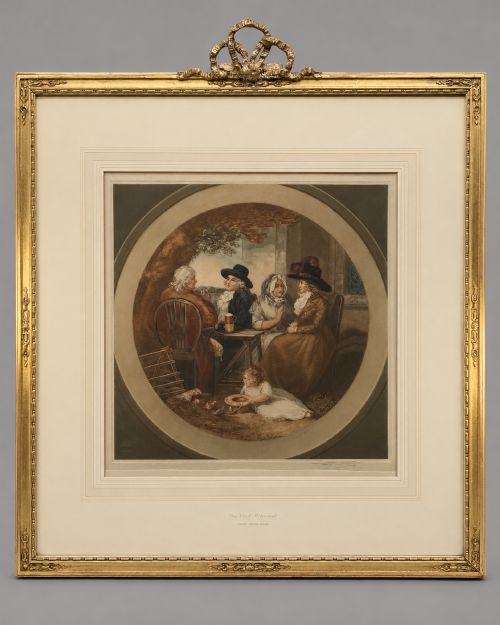
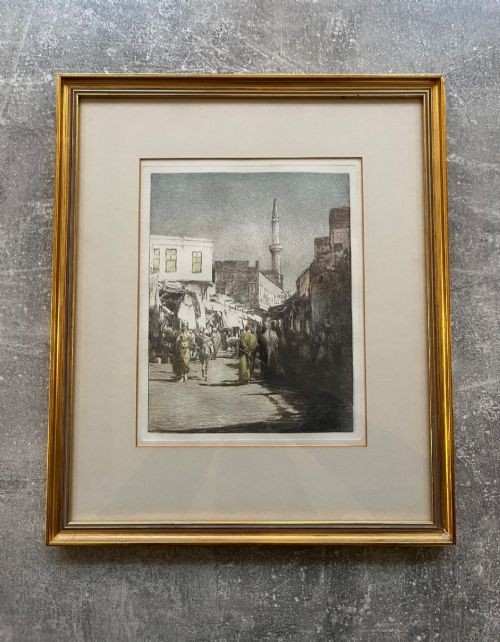
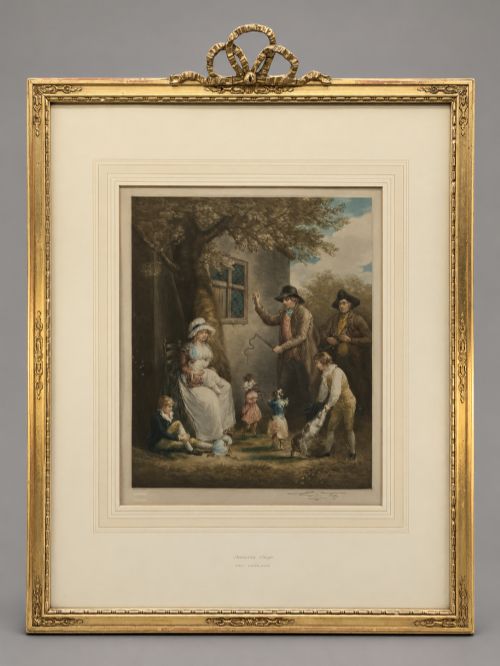
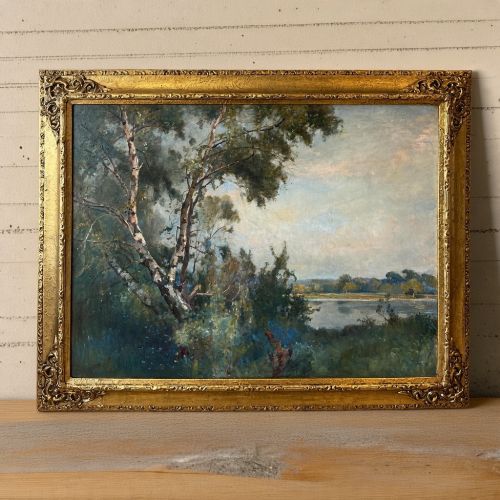
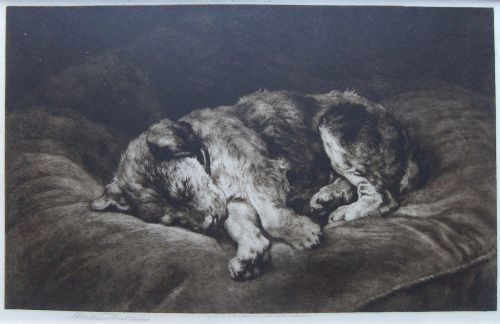
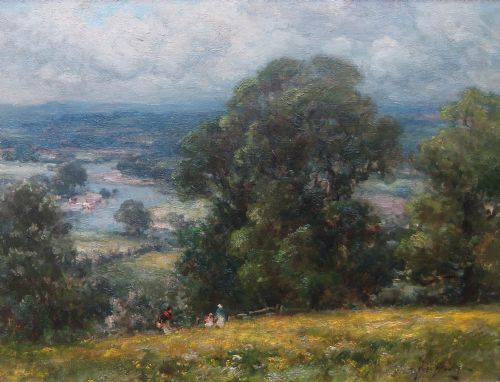
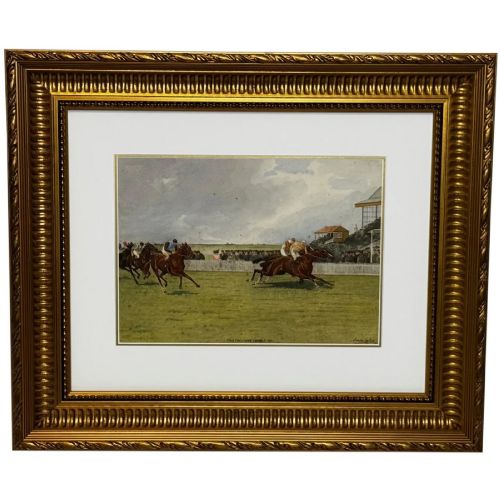
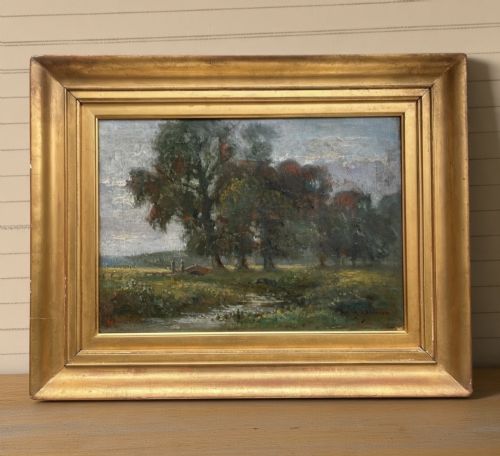
Edwardian artwork brings together paintings, watercolours, and drawings produced around the turn of the twentieth century, with a strong representation of Edwardian and early twentieth-century pieces. Buyers browsing this selection encounter pastoral landscapes, village gatherings, sporting dogs, and portraiture framed behind glass or mounted in wood.
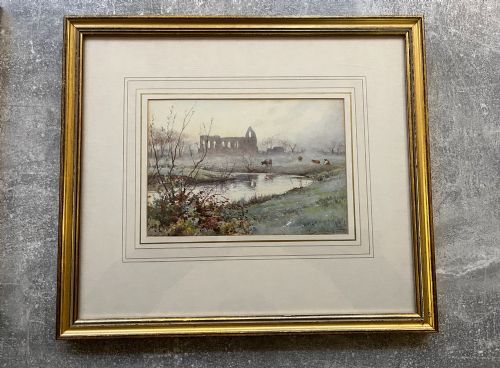
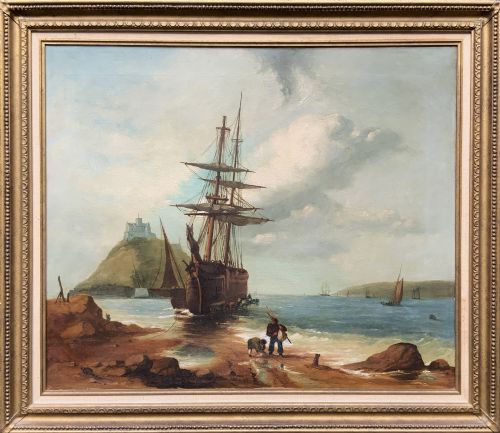
The material record includes oil on canvas, paper watercolours, pastel portraits, and charcoal drawings. Works range from intimate miniature watercolours to large oil paintings of rural life and maritime subjects.
Subjects reflect both domestic scenes and topographical views, spanning English country cottages, Lake District lakes, and continental streetscapes. Pieces frequently date from the 1900s through the 1920s, reflecting the broader stylistic transitions of the period.
How they were made
Artists of this period worked primarily in oil paint on canvas or watercolour on paper, alongside pastel and charcoal on paper supports. Pigments were applied to stretched canvas or heavyweight paper sheets, frequently utilising traditional brushwork and wash techniques.
Framing materials matched the visual weight of the art, employing giltwood, oak, and burr maple frames. Many watercolours and works on paper incorporated protective glass glazing and secure wooden mounts to preserve the delicate surfaces.
Edwardian Artwork Retail Price Guide 2026
Typical asking prices for edwardian artwork among the pieces listed under this phrase on Sellingantiques today, from the lower quarter to the upper quarter. They describe what is for sale here now, not the wider market.
Listings incorporate works executed in oil, watercolour, pastel, and charcoal on paper and canvas.
What varies in quality
Distinction across the range lies in the confidence of the brushwork and the precision of the draughtsmanship. Works by named artists demonstrate a secure handling of light, shadow, and proportion, particularly in animal and human figures.
The integrity of the original framing, such as period burr maple or giltwood surrounds, contributes to the overall cohesion of the piece. Preservation of the paper or canvas surface, free from excessive fading or deterioration, marks the upper tier of available works.
Agnes Augusta Talboys·William Manners·Philip H Rideout·Herbert Menzies Marshall·Sir William Nicholson·John Hassall
The Edwardian Artwork Glossary
- Watercolour
- A painting method where fine pigment is suspended in a water-based, translucent solution applied to paper. This medium allows for luminous washes and delicate detail.
- Oil on canvas
- A technique utilising pigments bound in a drying oil applied to a woven fabric stretched across a wooden frame. This method permits rich colour blending and textured surface application.
- Giltwood
- Timber carved and coated with a thin layer of gold leaf or metallic gilt finish. Such frames provide ornamental weight and reflective framing for paintings.
- Pastel
- A dry drawing medium consisting of powdered pigment and a binder rolled into sticks. Applied to paper, it creates soft, blended tonal effects.
- Charcoal
- A dry drawing material made from burnt organic matter that produces deep black, smenceable lines. It is frequently employed for swift compositional studies and atmospheric sketches.
Edwardian Artwork: Frequently Asked Questions
How should works on paper be displayed?
Watercolours and pastel drawings require protection from direct sunlight to prevent fading of the pigments. Framing behind glass with acid-free mounts safeguards the paper surface.
Stable indoor humidity levels help maintain the condition of both the paper support and the surrounding wooden frame.
What framing styles accompany these pieces?
Original frames often consist of moulded oak, giltwood, or burr maple timber surrounds. These materials were chosen to complement the visual tone of the painting or drawing.
Retaining the original period frame preserves the historical context of the artwork.
How do watercolours differ from oil paintings here?
Watercolours utilise translucent pigments on paper supports, creating lighter, more luminous compositions that are typically displayed under glass. Oil paintings employ viscous pigments on canvas stretched over wooden frames, offering deeper texture and opaque colour.
Both mediums reflect the varied techniques practiced by artists working around the early twentieth century.