





Ecclesiastical Lamp
An ecclesiastical lamp brings centuries of solemn beauty into a room, transforming sacred ritual lighting for modern domestic spaces.
Ecclesiastical Lamp
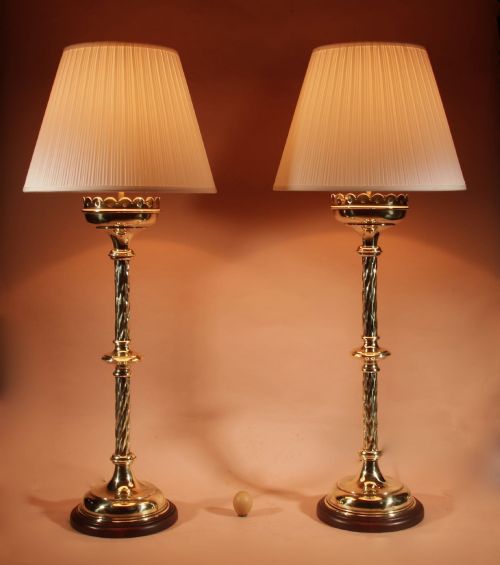
An ecclesiastical lamp adapts church furnishings for domestic illumination, drawing principally from altar candlesticks, pricket sticks, and candelabras. These objects originate across the eighteenth and nineteenth centuries, spanning periods like the Victorian era and the nineteen-twenties.
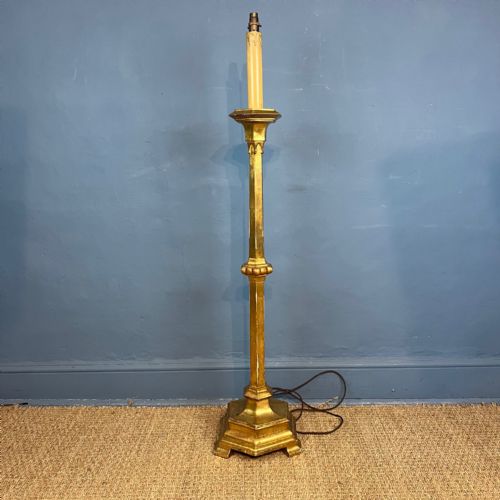
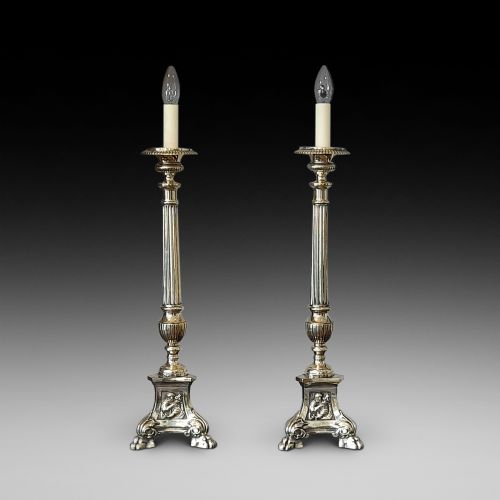
The forms reflect deep historical revivals, most notably Gothic Revival and Spanish Baroque alongside French ecclesiastical and Neoclassical styles. Buyers frequently encounter heavy brass altar sticks and gilded wooden bases that have been adapted for electricity.
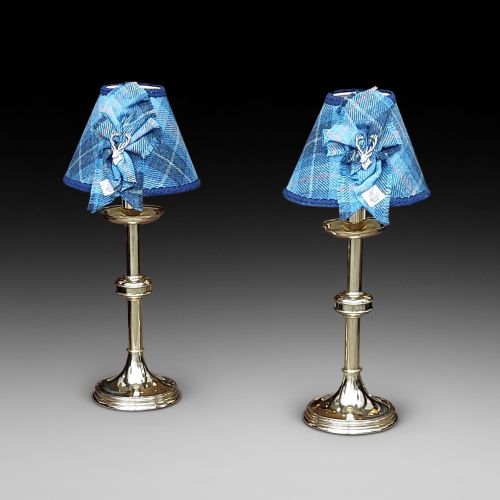
Table lamps dominate the selection, often appearing as matched pairs that once graced altars or chancels. The transition from wax candle to electric bulb preserves the architectural silhouettes of church metalwork and carved woodwork.
How they were made
Makers shaped these pieces from robust base metals and timber, employing heavy cast brass, silver plate, and ormolu alongside carved giltwood and gesso. Metal components often display careful casting and turning, while wooden examples rely on traditional carving and gilding techniques.
Surface finishes range from polished brass to intricate gilt layers on wood and bronze, occasionally incorporating opaline glass elements. These materials provided the durability and solemn grandeur required for ecclesiastical environments.
Ecclesiastical Lamp Retail Price Guide 2026
Typical asking prices for ecclesiastical lamp among the pieces listed under this phrase on Sellingantiques today, from the lower quarter to the upper quarter. They describe what is for sale here now, not the wider market.
Many of these lamps spent decades holding candles for solemn hymns before quietly retiring to illuminate modern reading nooks.
What varies in quality
The distinction between ordinary and exceptional pieces rests upon the crispness of the casting and the depth of the original ornamentation. Finer examples retain meticulous surface detail in their brass work or skillful hand-carving beneath their gilding.
Proportion and structural weight also dictate superiority, with heavier, well-balanced bases commanding greater visual authority. The integrity of the conversion work and the preservation of the original patina ultimately define the standing of each piece.
The Ecclesiastical Lamp Glossary
- Pricket stick
- A candlestick featuring a sharp central spike designed to secure a wax candle. This form is common in traditional church settings.
- Giltwood
- Timber that has been coated with a thin layer of gold leaf or gold paint. It provides a rich, reflective surface on carved altar pieces.
- Gesso
- A plaster-like mixture applied to wood surfaces as a base for gilding. It allows for intricate, sculpted relief details before the application of gold leaf.
- Ormolu
- Finely chased and gilded bronze used for decorative mounts and objects. The term derives from the French for milled gold.
- Opaline glass
- A pale, translucent milk glass often used in nineteenth-century lighting. It diffuses light softly across the room.
Ecclesiastical Lamp: Frequently Asked Questions
How do I wire an antique church lamp?
Wiring generally requires running a discreet cord through the centre of the hollow brass shaft or the drilled wooden base. Professional electricians should handle this to ensure safety without altering the antique structure.
Many pieces arrive already converted for modern use, requiring only a suitable bulb and lampshade to function in a domestic interior.
Where should I place an altar lamp at home?
These tall pieces work exceptionally well on sideboards, heavy oak tables, or mantels where their vertical presence can be fully appreciated. Pairs look particularly striking flanking a mirror or framing a fireplace.
Keep them away from damp areas to protect vulnerable materials like gesso and antique gilding from moisture damage.
How do I identify a Gothic Revival piece?
Gothic Revival items typically display architectural motifs borrowed from medieval cathedrals, such as pointed arches, trefoils, and heavy clustered columns. Brass and iron examples often feature robust, solemn geometry.
This style gained immense popularity during the Victorian period, influencing both church furnishings and domestic decor.
What is the difference between a pricket and a socket?
A pricket holds a candle using an upright spike pressed into the base of the wax, standard in older liturgical contexts. A socket, by contrast, forms a cup that cradles the base of the candle.
Most lamp conversions retain the visual appearance of the original pricket spike beneath the new electrical fitting.