



Ebonised Shop Display Cabinet
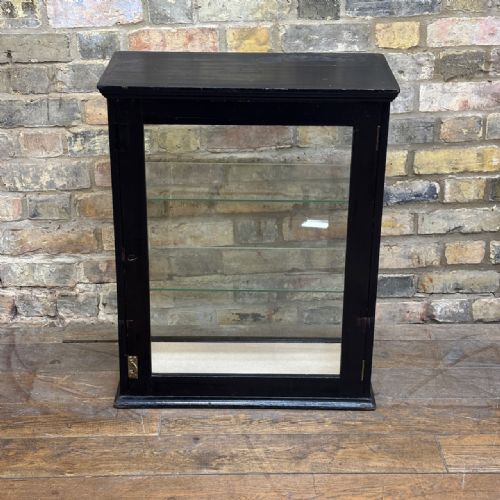
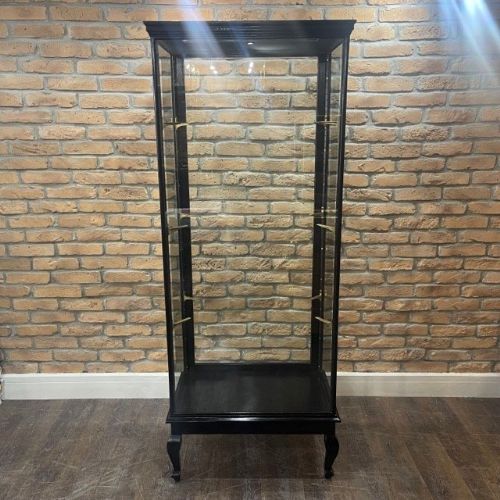
An ebonised shop display cabinet is a dark-framed commercial showcase designed to present merchandise clearly while adding striking contrast to an interior.
Ebonised Shop Display Cabinet
When you search for an ebonised shop display cabinet, you are looking at commercial showcases finished with a dark, dense stain or paint that mimics ebony wood. These pieces originate primarily from the Victorian period through to the 1920s, encompassing Edwardian examples and 1920s Art Deco designs.
You are most likely to meet countertop models, tall tower cabinets, and dedicated shop counters on this page. These forms reflect their original retail environments where visibility and security for goods were paramount.
The construction typically combines glazed panels with timber frames, occasionally supported by brass mounts or internal mirror backs. Such combinations served to maximise light penetration around the displayed items.
Materials and construction
Makers utilised wood as the core structural material, applying ebonisation techniques to achieve a uniform, dark finish that simulated high-end exotic hardwoods. Glass panels were integrated into timber doors and sides to ensure all-round visibility for retail customers.
Metal fittings such as brass mounts provided structural reinforcement at vulnerable corners while adding subtle decorative contrast to the dark wooden surfaces. Mirror glass and fabric or velvet linings frequently appeared internally to enhance the presentation of the goods inside.
Ebonised Shop Display Cabinet Retail Price Guide 2026
Typical asking prices for ebonised shop display cabinet among the pieces listed under this phrase on Sellingantiques today, from the lower quarter to the upper quarter. They describe what is for sale here now, not the wider market.
Listings span the Victorian period, Edwardian era, and the 1920s, utilising materials such as ebonised wood, brass, and glass.
Judging the standard
The refinement of the joinery and the durability of the ebonised finish separate standard commercial pieces from finer examples. Cabinet makers who invested greater care into the timber preparation and brass detailing achieved a more enduring and polished appearance.
Proportion and the integration of glazing bars also dictate the visual success of the showcase. Pieces that balance substantial glass areas with robust framing without appearing overly heavy represent the higher tier of these commercial antiques.
Sage And Co·Quincy Showcase Works Illinois
The Ebonised Shop Display Cabinet Glossary
- Ebonised
- Wood treated with a stain, dye, or paint to make it appear like dense, black ebony. This finish was widely applied during the nineteenth and early twentieth centuries to create a sleek, formal aesthetic.
- Countertop display cabinet
- A smaller showcase designed to sit atop a shop counter for high-value merchandise. These compact units brought stock to eye level for customers standing at the point of sale.
- Tower cabinet
- A tall, vertical display showcase built with glass on multiple sides. Such vertical designs made efficient use of floor space in crowded retail interiors.
- Brass mount
- Metal hardware fixed to corners, hinges, or locks for reinforcement and decoration. These fittings provide structural integrity while contrasting with the dark ebonised wood.
- Glazed showcase
- A display unit featuring extensive glass panels held within a wooden framework. This construction protected contents from dust and handling while maintaining complete visual access.
Ebonised Shop Display Cabinet: Frequently Asked Questions
What is an ebonised shop display cabinet?
These pieces are dark-finished commercial showcases originally built for retail environments to exhibit goods securely. They combine wooden frames with extensive glazing to protect merchandise while keeping it visible to customers.
Over time, collectors and interior designers have repurposed these commercial furnishings for domestic settings. They now serve as prominent storage and display furniture in modern homes.
How were these display cabinets used originally?
Merchants placed these showcases on countertops or directly on the shop floor to display high-value or delicate items. The glass protected stock from handling and dust while allowing prospective buyers to inspect the merchandise.
Different formats, such as tall towers or long counters, suited different retail trades and floor layouts. Each design prioritised light and visibility to encourage retail sales.
How do I live with one of these cabinets?
Integrating a commercial display piece into a home requires careful placement to balance its strong visual weight. Positioning the cabinet away from direct sunlight helps protect both the dark finish and any items placed inside.
Regular dusting of the glass panels and careful handling of the original timber frame keep the piece in good condition. These cabinets work well in living rooms, dining spaces, or studies for housing collections.
How do I tell periods apart?
Victorian and nineteenth-century examples often display heavier timber sections and traditional joinery methods. Edwardian and 1920s Art Deco pieces frequently feature cleaner geometric lines and more streamlined brass hardware.
Examining the glass quality, construction techniques, and any maker marks helps narrow down the production era. Subtle shifts in decorative styling reflect the changing design preferences across these decades.