

Early Wooden Drawers
These early wooden drawers offer sturdy craftsmanship and rich timber patination, spanning oak, walnut and mahogany forms for everyday storage.
Early Wooden Drawers
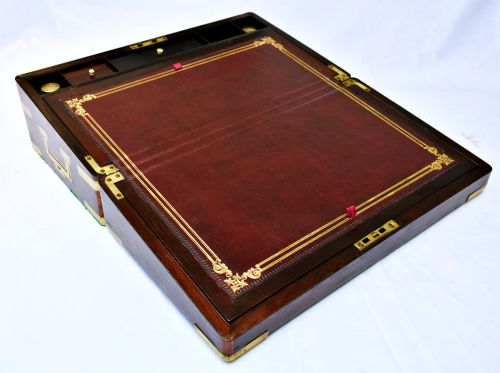
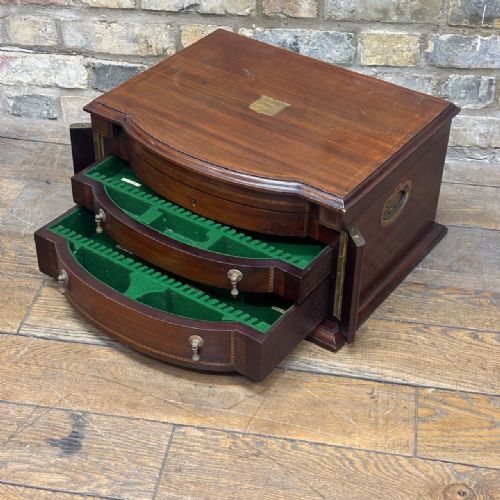
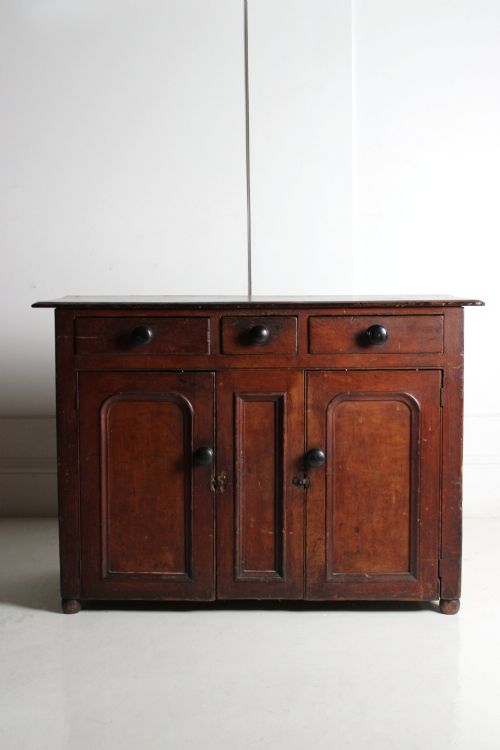
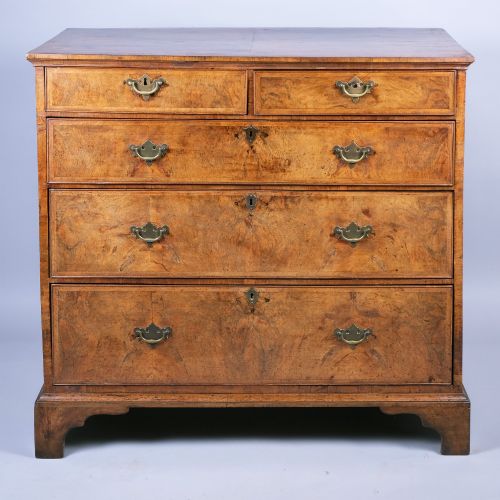
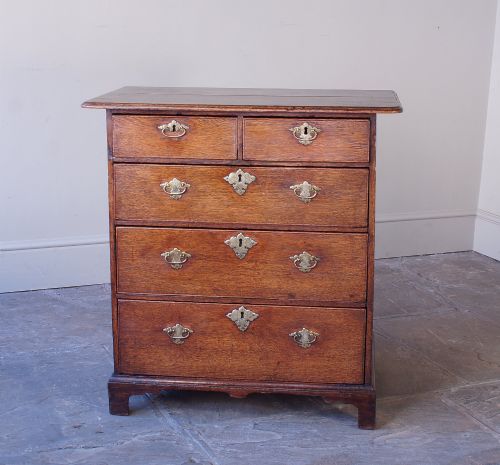
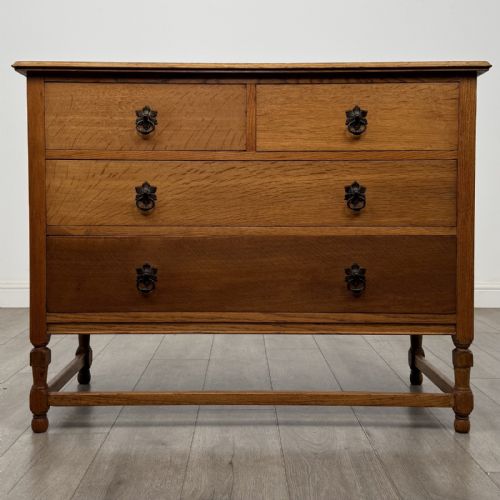
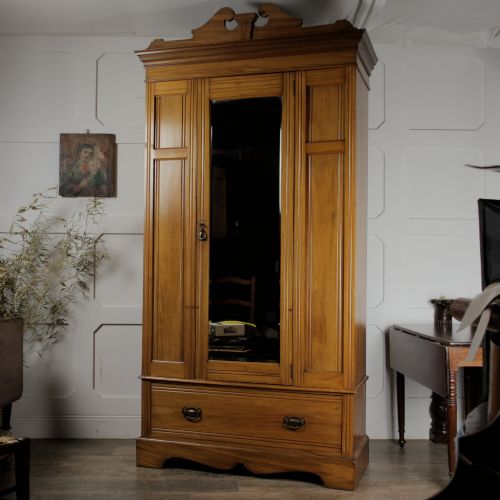
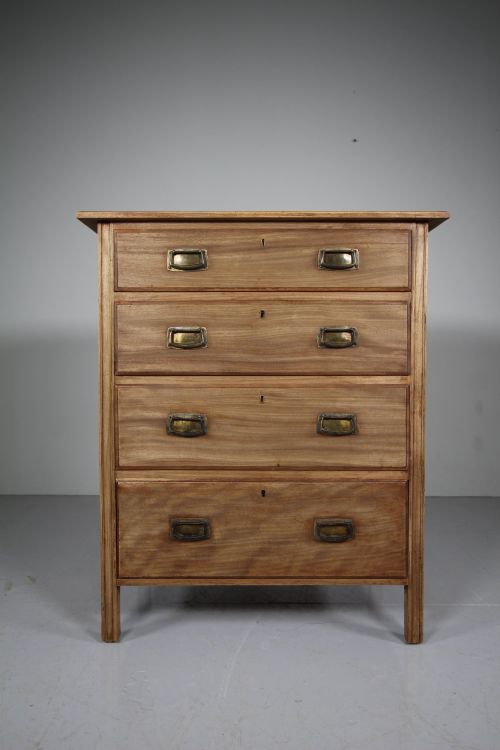
When searching for early wooden drawers, buyers encounter substantial case furniture and tables incorporating functional storage compartments. The items span seventeenth-century origins through to twentieth-century utility pieces, with walnut and oak predominating in the earlier periods.
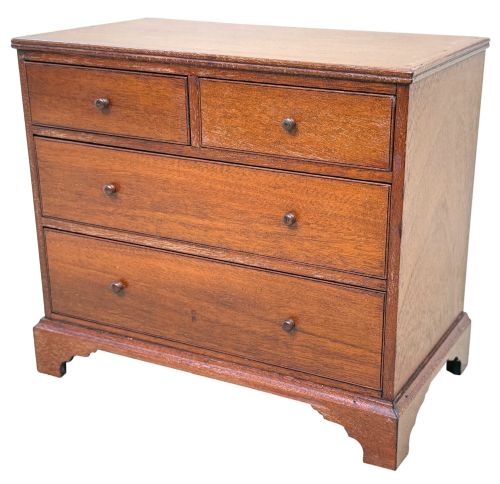
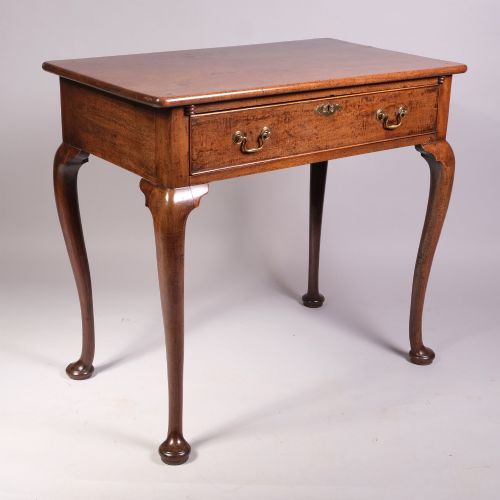
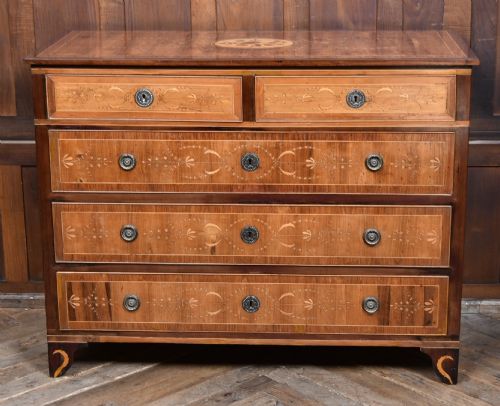
Chest of drawers variants form the core of the selection, accompanied by occasional tables, lowboys and commodes featuring integrated storage. Pieces originate from British, French, Italian and Dutch workshops, showing regional timber preferences and construction methods.
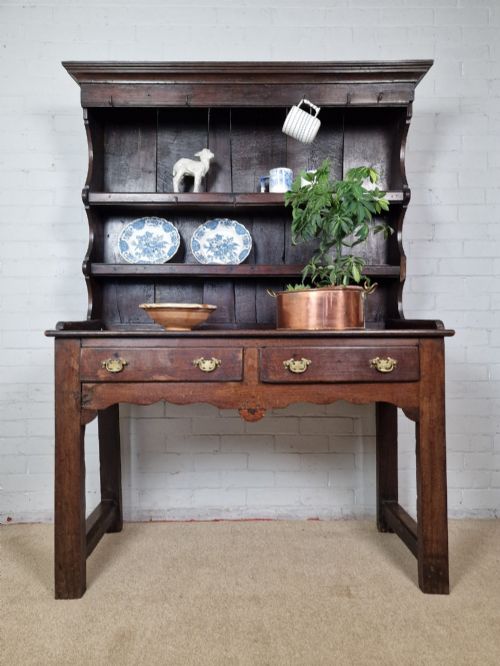
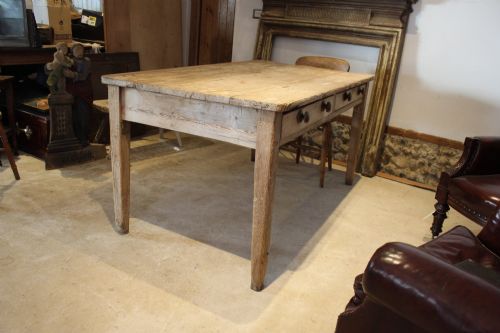
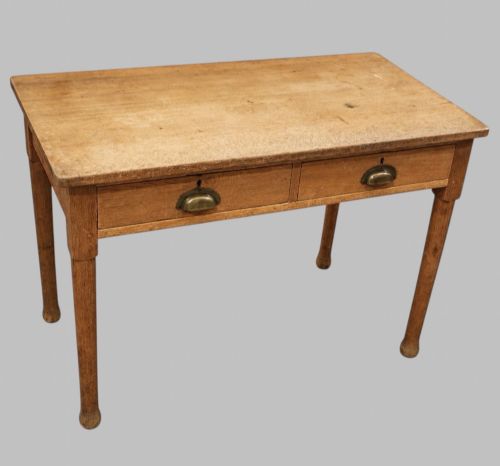
The selection ranges from diminutive provincial walnut cabinets to robust pine and oak farmhouse tables with working drawers. Buyers meet both formal crossbanded pieces designed for reception rooms and utilitarian domestic furniture built for daily service.
Materials and Construction
Cabinet makers utilised native and imported hardwoods, including figured walnut, dense mahogany, quarter-sawn oak and various fruitwoods. Secondary timbers like pine frequently appear in drawer linings and carcass backs, reflecting practical seventeenth and eighteenth-century workshop economies.
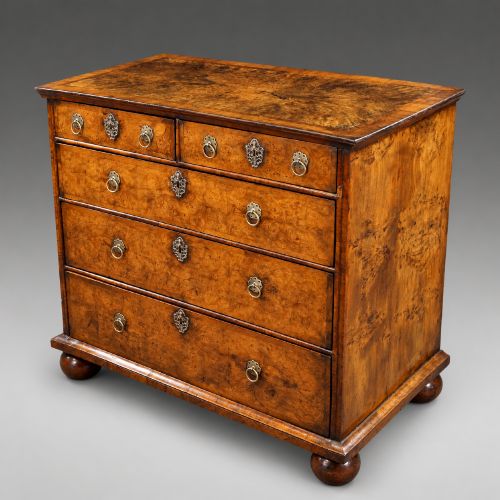
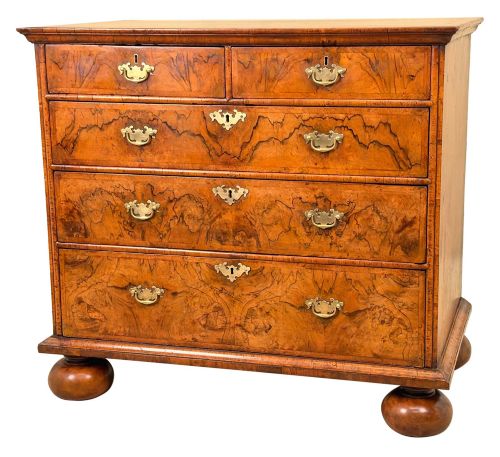
Surface decoration relied on natural grain patterns enhanced by oyster-veneering, herringbone banding and crossbanding. Iron and brass handles, escutcheons and drop pulls provided functional hardware that secured the drawer fronts while adding metallic contrast to the timber.
Early Wooden Drawers Retail Price Guide 2026
Typical asking prices for early wooden drawers among the pieces listed under this phrase on Sellingantiques today, from the lower quarter to the upper quarter. They describe what is for sale here now, not the wider market.
Secret sliding top panels occasionally conceal hidden compartments within these early walnut chests.
Judging Quality and Execution
The degree of timber selection sets individual examples apart, particularly where figured walnut veneers or symmetrical mahogany flames display deliberate visual planning. Superior proportion and restrained ornamentation indicate a maker working to a higher domestic standard.
Construction integrity is visible in the dovetailing of drawer linings and the retention of original brass hardware or surface patination. Pieces that maintain their structural cohesion without excessive timber replacement demonstrate successful survival through successive generations.
The Early Wooden Drawers Glossary
- Oyster-veneering
- A method of cutting branches transversely to produce circular or oval motifs resembling oyster shells. This technique appears frequently on late seventeenth and early eighteenth-century walnut furniture.
- Herringbone banding
- Narrow strips of veneer laid diagonally in opposing directions to form a V-shaped pattern. Cabinet makers used this border decoration to frame drawer fronts and tabletops.
- Crossbanding
- A border veneer applied perpendicularly to the grain of the primary surface. It provides a neat contrasting frame around drawer perimeters and panel edges.
- Lowboy
- A small table with one or more drawers supported on four legs. These items served various domestic functions in eighteenth-century rooms as dressing or side tables.
- Commode
- A low chest of drawers or cabinet originating from French influence. Continental examples often incorporate marble tops and distinct provincial proportions.
Early Wooden Drawers: Frequently Asked Questions
How do I date early wooden drawers?
Dating relies on observing construction techniques, such as hand-cut dovetails and timber selection, alongside stylistic traits like moulding profiles. Earlier pieces from the seventeenth and eighteenth centuries typically employ oak or walnut with specific hardware configurations.
Later nineteenth-century iterations shift towards mahogany and pine with different internal assembly methods. Comparing the secondary woods inside the drawers often clarifies the period of manufacture.
Where were these drawers used originally?
These pieces served multiple domestic roles across bedrooms, parlours, hallways and kitchens. Chests provided secure storage for linens and personal garments, while tables with drawers functioned in work and dining areas.
Smaller side tables and lowboys found placement in reception rooms for holding writing materials or grooming items. Their placement depended entirely on the household's layout and social standing.
How should I care for antique timber?
Preserving these surfaces requires stable room humidity and protection from direct sunlight to prevent timber shrinkage and veneer lifting. Regular dusting with a soft cloth maintains the finish without needing harsh chemical polishes.
Applying a traditional beeswax formulation occasionally helps nourish dry wood and preserve the natural patination. Avoiding extreme temperature fluctuations is essential for protecting ancient joints.
What defines a campaign chest?
Campaign chests are modular storage units constructed in sections with recessed brass handles for military transport. Officers utilised these durable pieces during active service across the British Empire.
They break down into separate stacking boxes to facilitate easy movement on ships and horseback. Their robust build and functional hardware distinguish them from standard domestic drawers.