




Early Twentieth Century Desk
An early twentieth century desk brings distinct period character to a workspace, combining practical utility with the decorative craftsmanship of the era.
Early Twentieth Century Desk
An early twentieth century desk encompasses full-scale furniture pieces like large partners desks alongside smaller desktop accessories and lighting fixtures. Buyers searching for an early twentieth century desk encounter items ranging from substantial mahogany workstations to functional desk tidies, perpetual calendars, and weather forecasters.
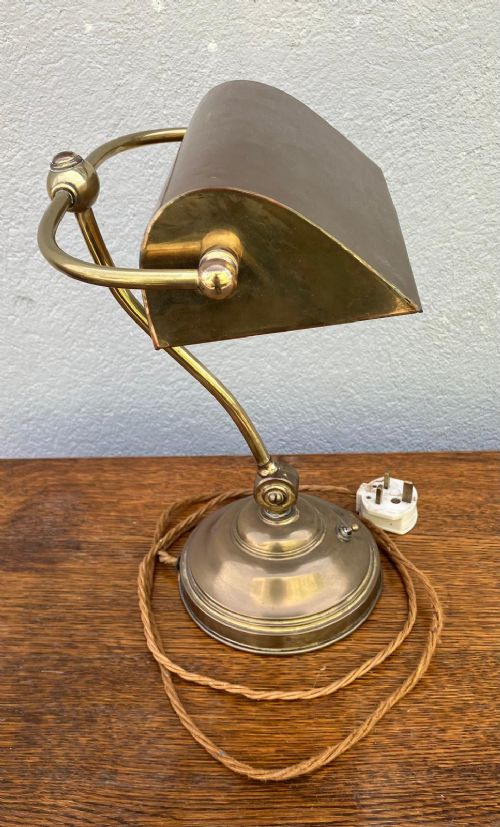
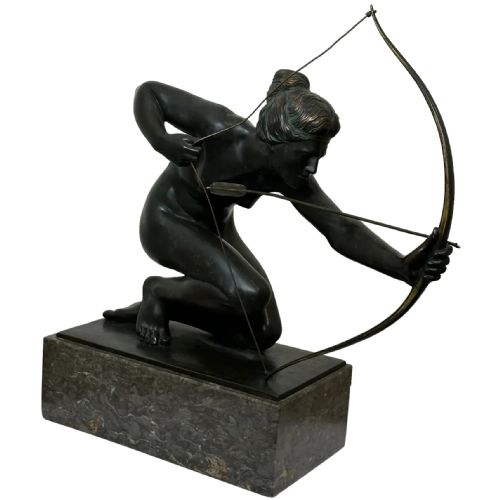
The selection frequently includes bronze animalier sculptures, desk lamps in brass and patinated metal, and carved soapstone scholar groups. These varied objects reflect the diverse accessories that populated studies and offices during the opening decades of the twentieth century.
Materials and construction methods
Makers utilised durable metals such as bronze, brass, and patinated metal for sculptures, lamps, and mechanical desk accessories like thermometers and barometers. These metal objects often involved casting techniques, followed by cold-painted finishes or detailed hand-chasing.
Cabinetmakers worked with mahogany to construct substantial furniture pieces, while specialist artisans carved soapstone into intricate scholar groups. Smaller decorative items incorporated glass eyes and fabric elements to add realistic detail.
Early Twentieth Century Desk Retail Price Guide 2026
Typical asking prices for early twentieth century desk among the pieces listed under this phrase on Sellingantiques today, from the lower quarter to the upper quarter. They describe what is for sale here now, not the wider market.
Distinguishing finer examples
Quality in these pieces rests upon the crispness of the casting in metal sculptures and the precision of mechanical desk instruments such as barometers and calendars. Finer metalwork displays sharp anatomical details in animalier studies and clean lettering on scientific instruments.
In larger furniture, the quality appears in the selection of mahogany timber and the solid construction of structural joints. Signed works by established makers or manufacturers demonstrate higher standards of artistic execution and finish.
Negretti & Zambra·Giuseppe Moretti·Clovis Masson·P J Mêne·Jennings Brothers
The Early Twentieth Century Desk Glossary
- Animalier
- A nineteenth and early twentieth century style focusing on the realistic depiction of animals. Sculptures in this category often capture creatures in dynamic or natural poses.
- Partners desk
- A large double-sided wooden desk designed for two people to work opposite one another. These pieces typically feature drawers and cupboards on both elevations.
- Cold painted metal
- A technique where metal figures, usually bronze or spelter, receive paint finishes without the application of heat. This method produces matte polychrome surfaces on decorative accessories.
- Grand Tour
- Souvenirs and models purchased by travellers visiting cultural sites in Europe during the nineteenth and early twentieth centuries. These often replicate classical sculptures and architectural monuments in bronze or marble.
Early Twentieth Century Desk: Frequently Asked Questions
What items belong on an early twentieth century desk?
A traditional workspace from this period featured practical instruments alongside decorative objects. Common desktop accessories included weather forecasters, perpetual calendars, thermometers, and inkstands.
Lighting was provided by brass or patinated metal lamps, while sculptures of animals or classical figures added personal character to the study.
How do I identify animalier bronze sculptures?
Animalier bronzes focus specifically on the realistic portrayal of wildlife and domestic animals. Look for detailed textures representing fur, feathers, and natural muscle structures.
These studies were frequently cast by specialist foundries and often bear the signature of the artist on the bronze base.
What is a partners desk?
A partners desk is a large wooden workstation built with storage and writing surfaces accessible from both sides. They were originally designed for business colleagues or banking partners to share a single piece of furniture.
They are typically constructed from timbers like mahogany and feature banks of drawers or panelled cupboards facing outward in opposite directions.
How do weather forecasters work?
Weather forecasters from this era function as aneroid barometers, measuring atmospheric pressure to indicate impending changes in weather. Scientific instrument makers housed these mechanisms in decorative brass, bakelite, or wooden desk stands.
Dial faces typically feature engraved predictions such as rain, change, or fair, allowing the user to read local meteorological conditions directly from their desk.