





Early Portrait Sketch
An early portrait sketch captures a likeness with directness, offering a personal record in pencil, charcoal or ink.
Early Portrait Sketch
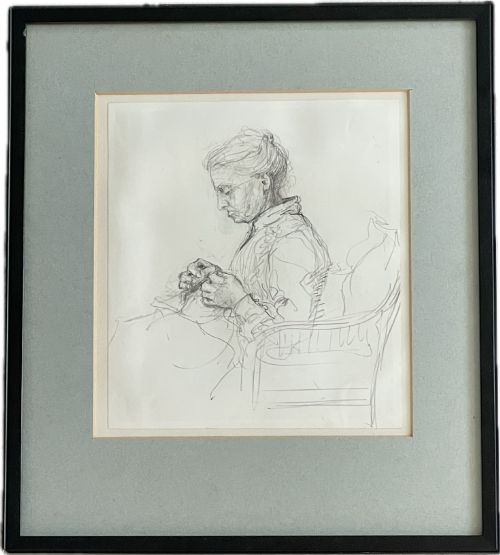
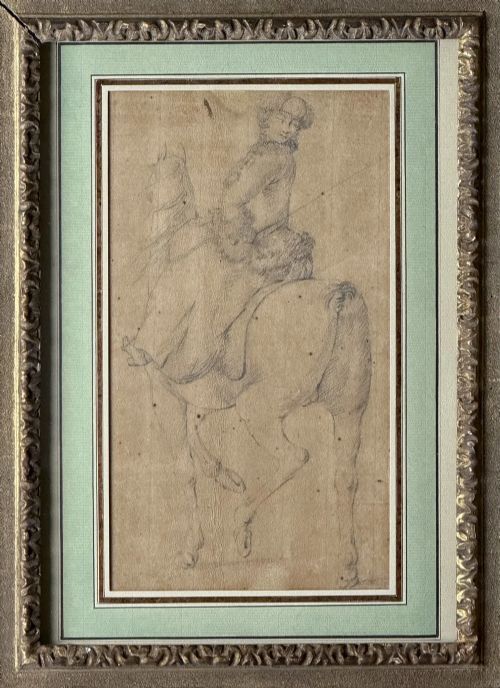
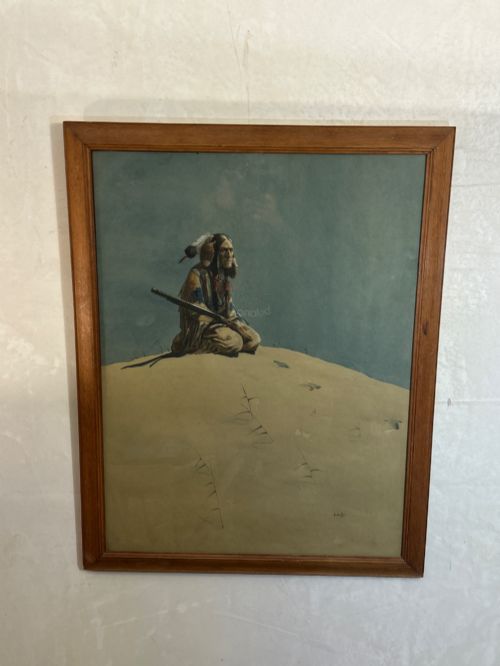
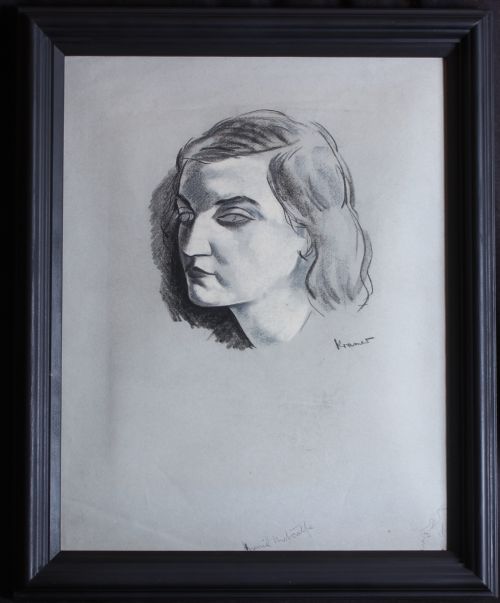
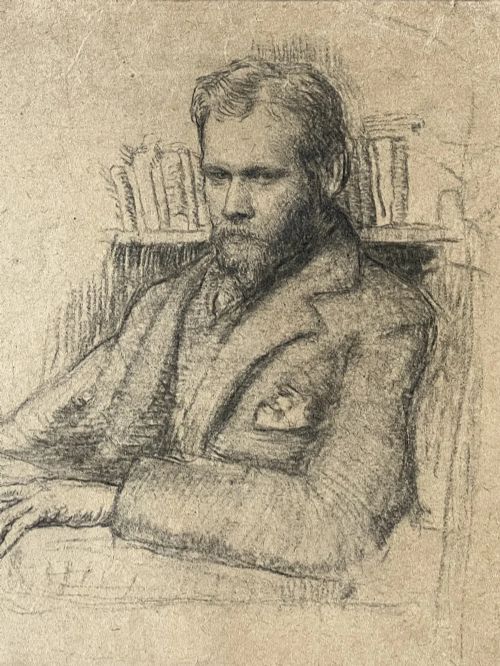
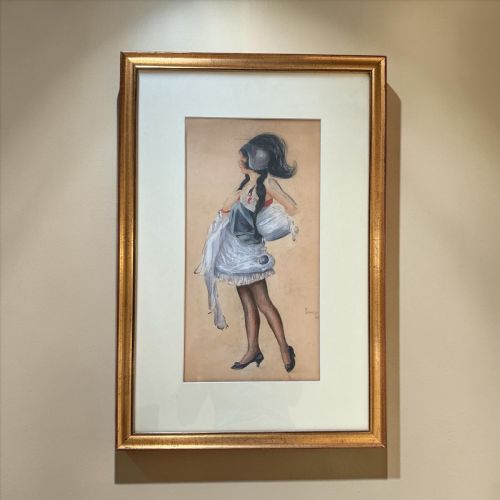
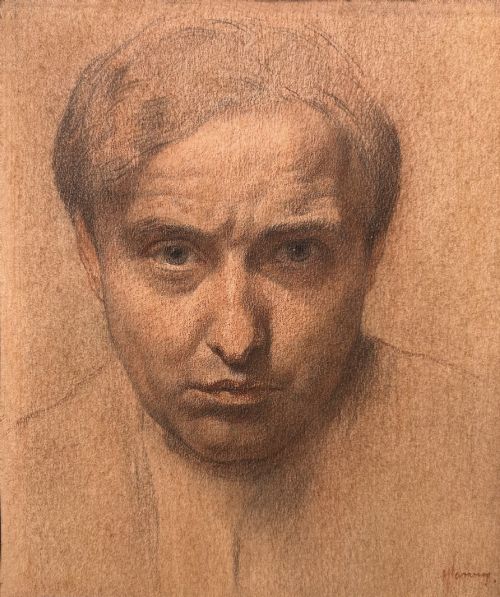
An early portrait sketch brings you face to face with historical sitters rendered through immediate graphic marks on paper. You will find works spanning from the eighteenth century through the Edwardian era up to the mid twentieth century, capturing subjects ranging from explorers and actors to anonymous life models.
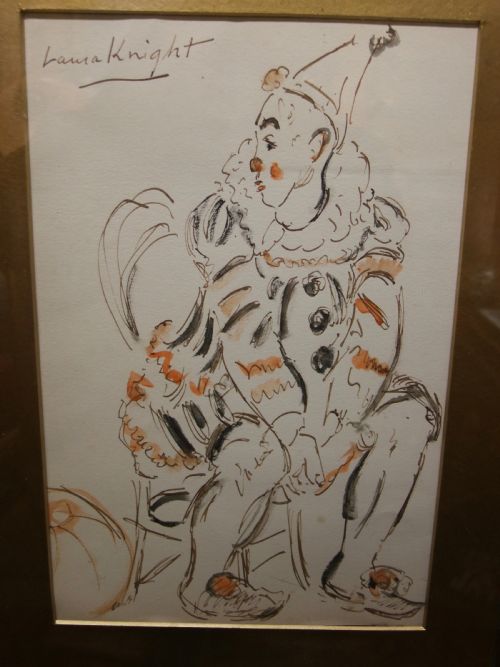
The common form on this page is framed original artwork on paper, combining drawing media like graphite and charcoal with watercolour or ink washes. These pieces include finished character studies, academic life drawings and preparatory sketches by named artists and regional schools.
Materials and methods
Artists relied primarily on paper supports, applying charcoal, pencil, graphite or ink to lay down the initial structure of the face and form. Watercolour and pastel were frequently introduced to add tonal depth or tint the monochrome line work.
Framing under glass protected these fragile works on paper from atmospheric moisture and handling. Wooden frames, often period-appropriate, house the drawings to preserve the delicate pigment and graphite layers.
Early Portrait Sketch Retail Price Guide 2026
Typical asking prices for early portrait sketch among the pieces listed under this phrase on Sellingantiques today, from the lower quarter to the upper quarter. They describe what is for sale here now, not the wider market.
Sir Henry Alexander Wickham appears here catalogued not just as an explorer, but intriguingly as a bio-pirate.
Judging quality in graphic portraits
Quality rests upon the sureness of the hand and the economy of line used to define the sitter's anatomy and expression. A master draughtsman conveys bone structure, personality and presence with minimal strokes, whereas weaker work struggles with proportion and expression.
Condition also dictates standing, as paper can suffer from foxing, fading or acid burn from old mounts. Works that retain their original strength of ink, charcoal or watercolour without heavy conservation intervention command greater respect.
Jacob Kramer·John Hassall·Augustus John·J D Fergusson·Winifred Eugene Ballard·Reginald G. Eves·Dame Laura Knight·Ernest Borough Johnson·Francis Dodd
The Early Portrait Sketch Glossary
- Charcoal
- A dry drawing material made from burnt organic matter that produces rich, dark black lines and soft tonal blends. It is frequently seen in life studies and academic drawing.
- Graphite
- A form of carbon used in pencils to create varied grey lines and shading. It allows for sharp detail as well as broad tonal areas in portraiture.
- Monochrome
- A work executed in a single colour or shades of one hue, typically black, brown or grey ink on paper. This technique focuses attention entirely on line and tone.
- Watercolour
- A transparent paint medium using water-soluble pigments applied to paper. Artists often combined it with ink or pencil to tint early portrait sketches.
- Foxing
- Brown age spots that appear on old paper due to chemical reactions over time. Collectors note its presence when assessing the condition of nineteenth-century drawings.
Early Portrait Sketch: Frequently Asked Questions
What is an early portrait sketch?
An early portrait sketch is a preparatory or finished drawing on paper that captures a person's likeness using dry or fluid media. These works range from eighteenth-century northern European school studies to twentieth-century Modern British drawings.
They record real individuals, from actors and explorers to life models, through the direct hand of an artist working in graphite, charcoal, ink or watercolour.
How should I display a drawing on paper?
Works on paper require protection from direct sunlight to prevent the fading of pencil, ink and watercolour pigments. Framing them behind glass with conservation-grade mounts keeps the paper stable.
Keep them away from damp environments like unheated rooms or kitchens to prevent paper degradation and foxing spots from developing.
How do I date a portrait sketch?
Dating relies on stylistic clues, clothing, hair styling, signature inscriptions and framing materials. Edwardian and eighteenth-century pieces often carry distinct aesthetic markers tied to their period.
Examine the reverse of the frame or paper for old inscriptions, gallery labels or dates left by the artist or contemporary owners.
Are these works unique?
Yes, every drawing on paper is an original, one-off creation executed directly by the artist's hand. Unlike printed reproductions, each stroke of charcoal, pencil or ink is singular.
Even within pairs or series of life studies, every sheet represents a distinct moment of observation and draughtsmanship.