
Early 20th Century Pendant
An early 20th century pendant brings period character to a room through decorative glass, brass work, and refined lighting forms.
Early 20th Century Pendant
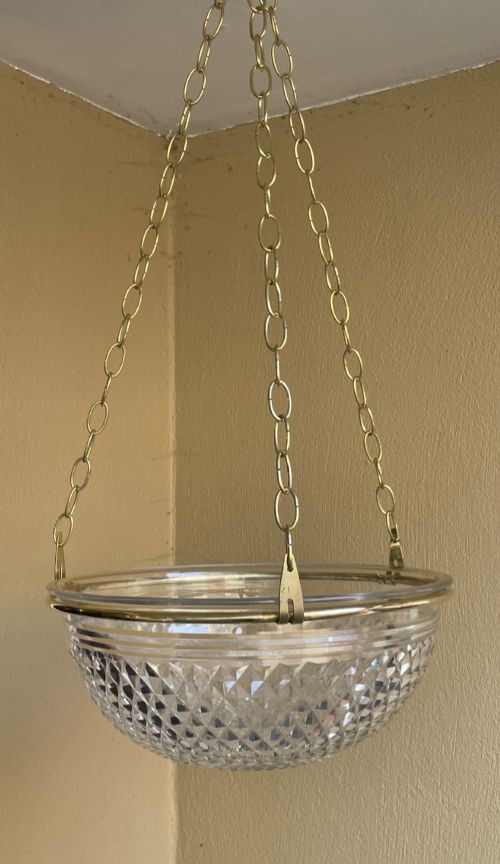
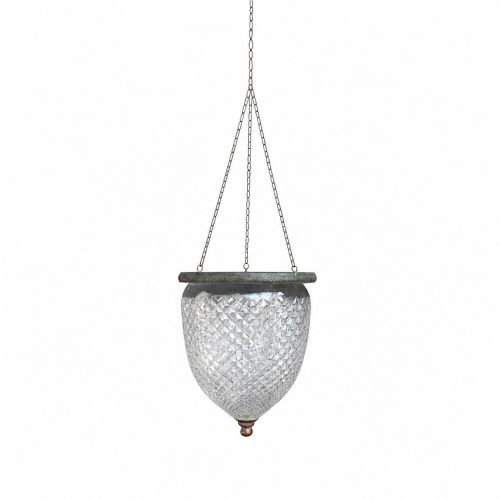
When searching for an early 20th century pendant, collectors encounter a diverse group of hanging lights, lanterns, and jewellery pieces spanning Edwardian and later decades. The selection encompasses ceiling fixtures alongside wearable silver and gemstone pendants.
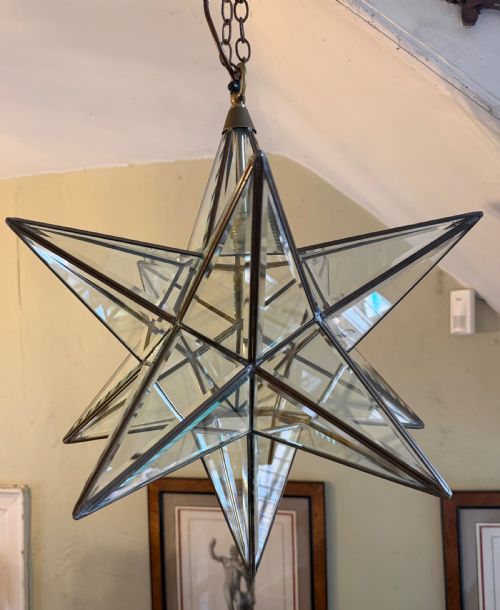
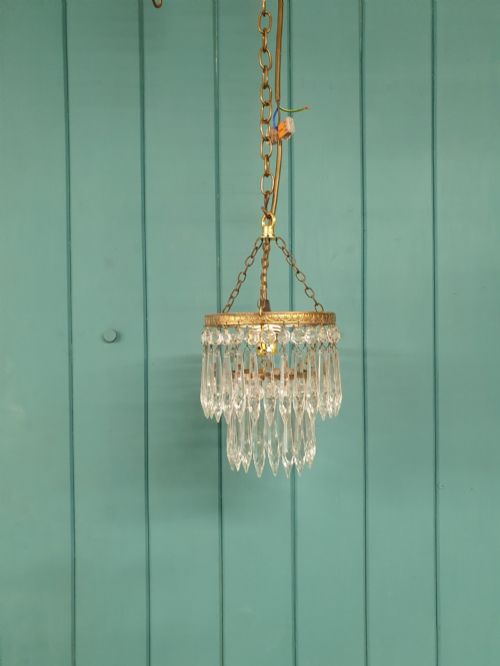
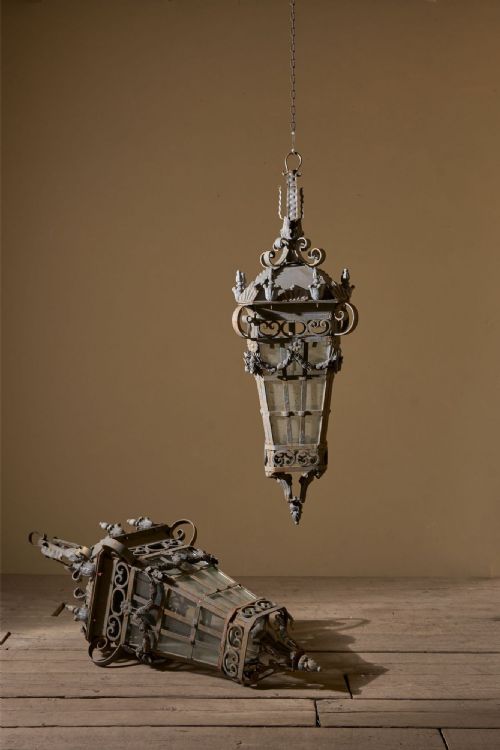
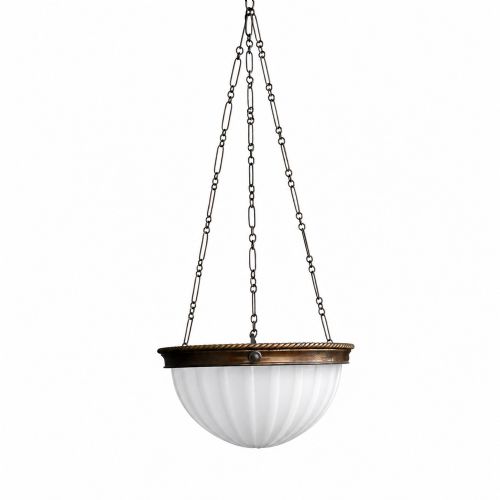
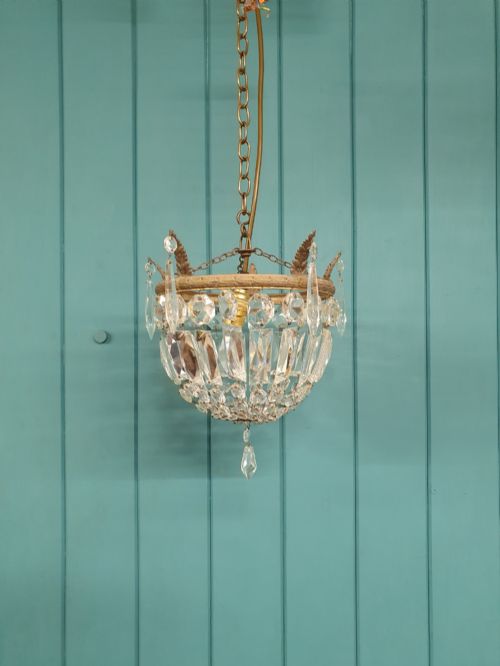
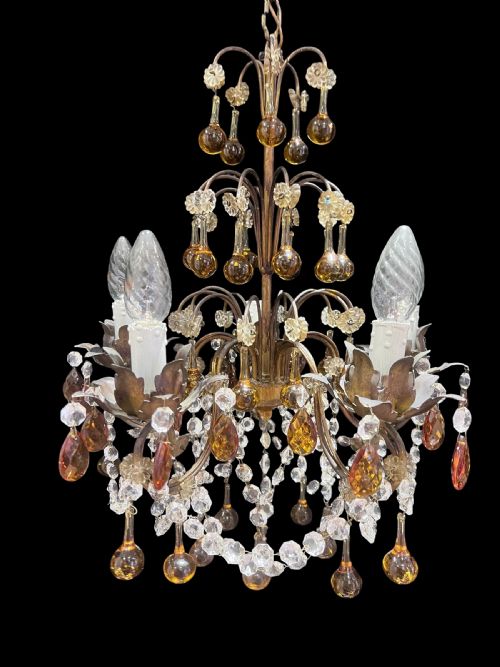
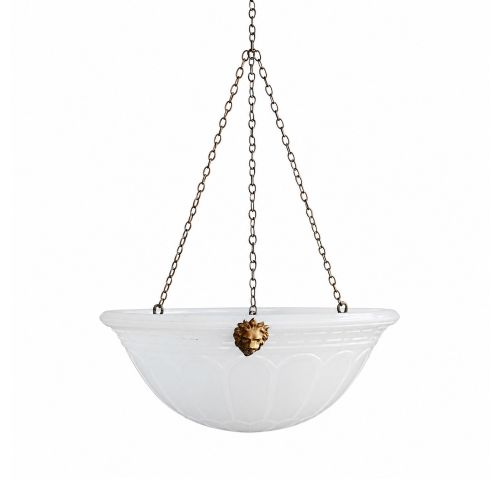
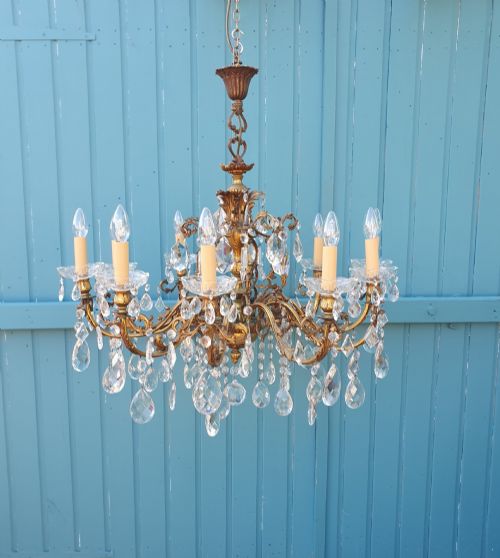
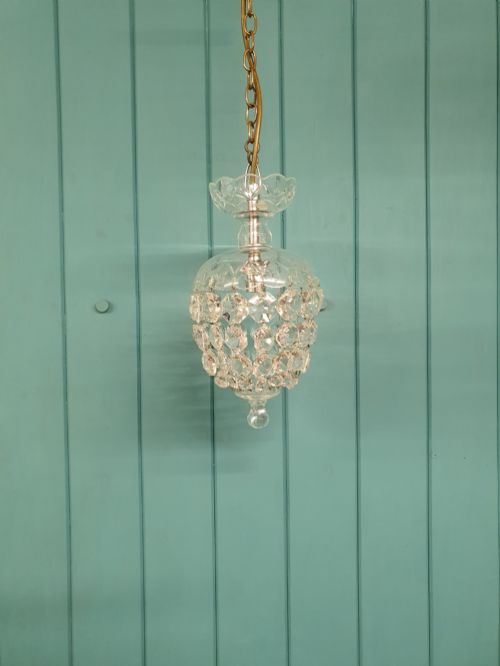
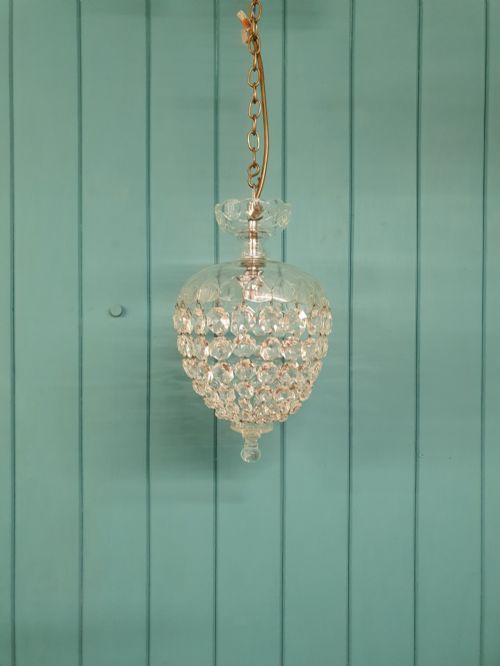
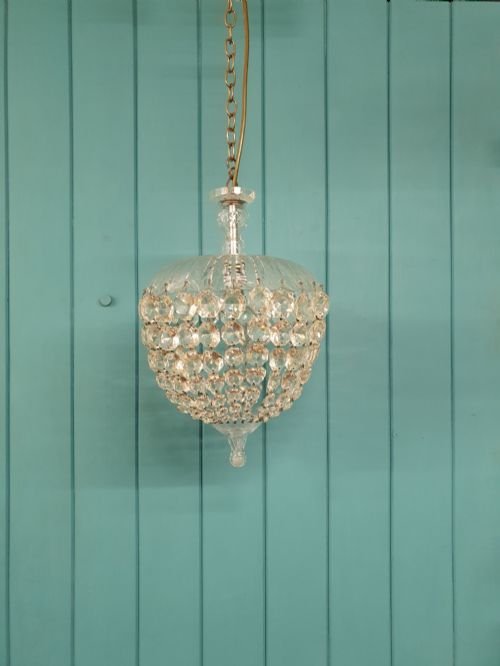
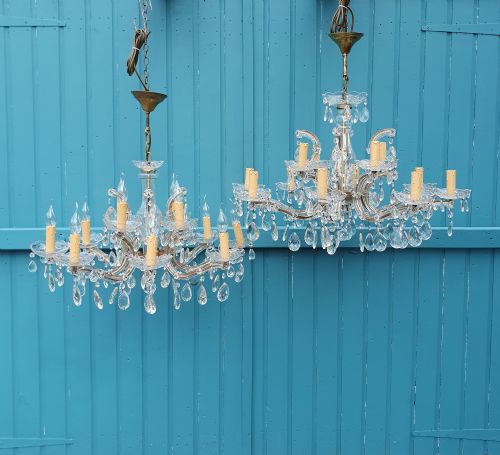
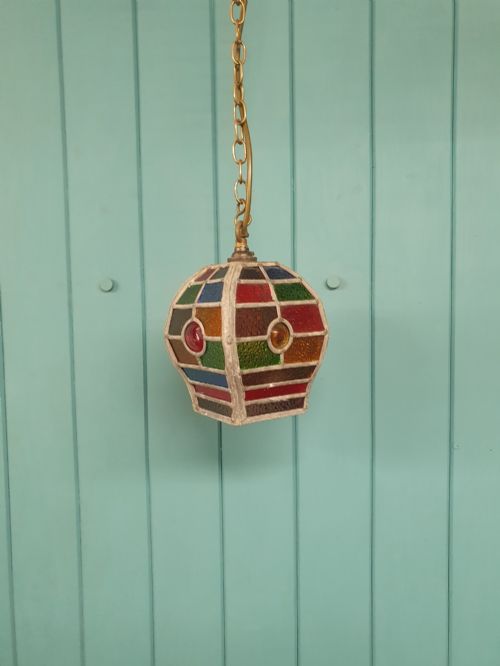
Lighting forms dominate the inventory, featuring cut glass chandeliers, brass lanterns with bevelled glass panels, and distinctive moonstone or opaline glass shades. Smaller moulded glass shades and geometric lanterns also appear frequently across the periods.
Wearable examples introduce precious metals and gemstones, including silver necklaces set with peridot, amethyst, and seed pearls. These pieces reflect concurrent aesthetic movements such as the Arts and Crafts style.
How they were made
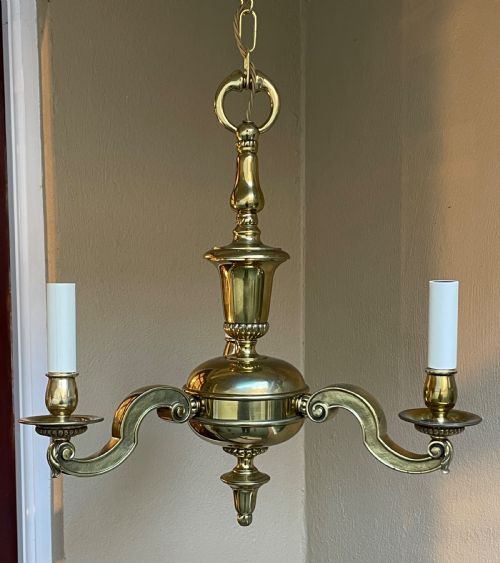
Metals such as brass, gilt bronze, copper, and cast iron form the foundational structures, often paired with silver for wearable items. These frameworks support various glass elements through galleries, chains, and pinned settings.
Glass components utilise diverse techniques, ranging from precision-cut crystal prisms and bevelled panes to mould-blown opaline, moonstone, and Vaseline glass. Stained glass and leaded construction also contribute to specialised lantern designs.
Some early lighting pieces incorporate Vaseline glass, which secretly glows an eerie neon green when exposed to ultraviolet light.
What varies in quality
Distinctions in quality often rest on the intricacy of the metal casting and the clarity of the glass elements. Heavier cast brass frames and deeply faceted crystal prisms exhibit superior craftsmanship compared to simpler moulded alternatives.
The integrity of original components, such as suspension chains, galleries, and matched glass shades, elevates a piece's standing. Finer items retain unified period hardware and uncompromised mineral settings.
The Early 20th Century Pendant Glossary
- Plafonnier
- A shallow bowl-shaped ceiling light mounted close to the fixture point. These fixtures direct illumination downward while containing the light source within decorative glass.
- Moonstone glass
- An opalescent, semi-translucent glass type that diffuses a soft, milky glow. It gained popularity for its atmospheric lighting qualities.
- Coffin prisms
- Elongated, faceted glass drops shaped like coffins used on chandeliers. They refract light effectively through their multiple angled surfaces.
- Vaseline glass
- Uranium-infused glass that exhibits a distinct yellow-green tint and fluoresces under ultraviolet light. It represents a notable innovation in decorative glassware.
Early 20th Century Pendant: Frequently Asked Questions
How are glass shades different across periods?
Earlier pieces often utilise heavy cut crystal, bevelled glass panes, or intricate leaded stained glass. Later decades introduced mould-blown opaline, moonstone, and specialised prismatic shades like Holophane.
These variations reflect evolving manufacturing capabilities and changing interior lighting preferences throughout the first third of the century.
What metals are common in these fixtures?
Brass serves as the primary structural metal, appearing in cast, gilt, and plain forms across numerous chandeliers and lanterns. Iron, zinc, copper, and silver also appear depending on the specific style and object type.
Wearable pendants predominantly utilise silver settings, while architectural hanging lanterns frequently incorporate iron or gilt bronze frameworks.
Are these items strictly for lighting?
No, the classification covers both domestic ceiling illumination and personal ornamentation. While lanterns and chandeliers dominate the lighting category, the selection includes silver and gemstone necklaces.
Both categories share stylistic traits of the period, utilising similar stones like peridot and amethyst alongside characteristic metalwork techniques.