

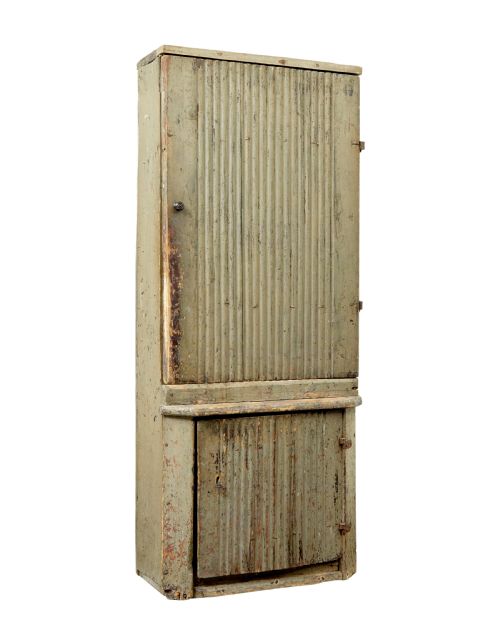


Early 19th Century Armoire
An early 19th century armoire provides generous storage while anchoring a room with substantial period presence and craftsmanship.
Early 19th Century Armoire
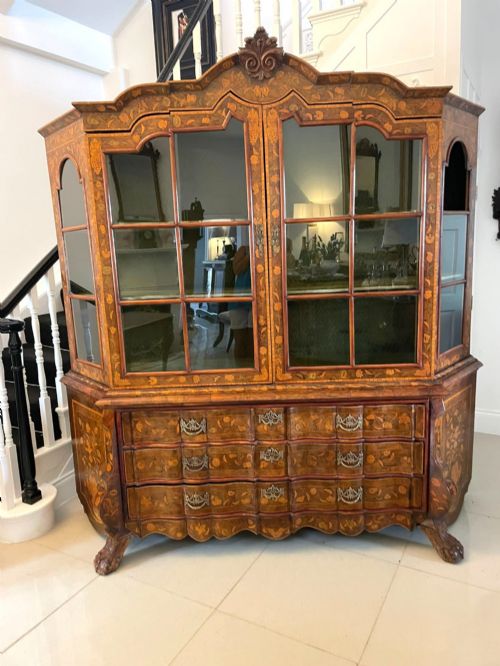
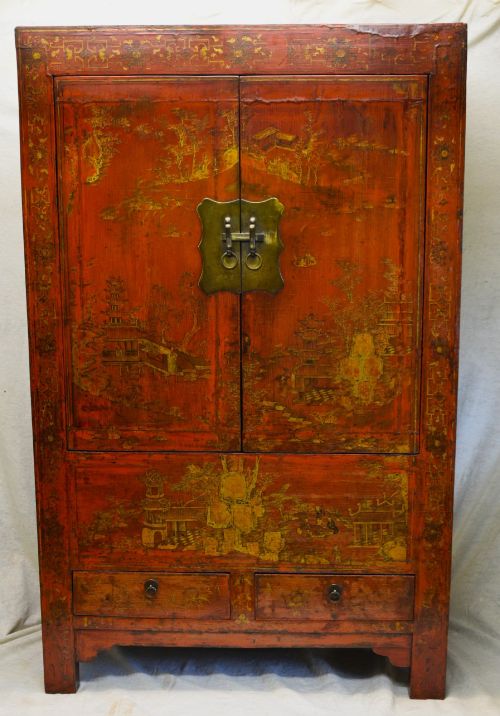
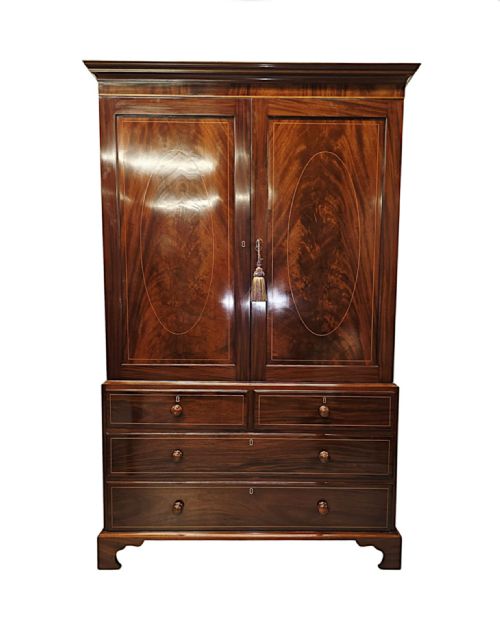
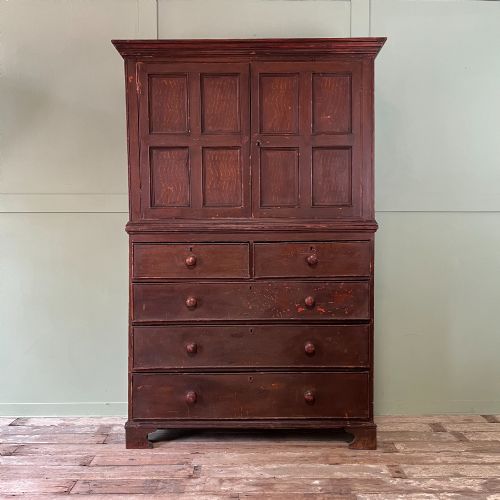
When searching for an early 19th century armoire, buyers encounter a diverse selection of large storage furniture ranging from French provincial designs to Scandinavian folk art pieces. These items serve primarily to store linens, clothing, or household goods while displaying the distinct regional aesthetics of the period. The most common examples on this page include painted pine cupboards from Scandinavia and mahogany linen presses from British and Irish workshops.
The objects span several stylistic categories including Georgian, French Provincial, Scandinavian Country, and Chinoiserie. Buyers will find regional variants such as East German armoires, Indian rosewood cupboards, and Irish painted pine press cupboards. Each piece reflects the domestic storage needs and local timber availability of its specific geographic origin during the opening decades of the 19th century.
Materials and construction methods
Cabinet makers utilised a variety of solid timbers depending on the region of manufacture, frequently employing native pine, oak, and mahogany alongside fruit wood, cherry, and rosewood. Decorative surfaces often received hand-painted finishes, particularly in Scandinavian folk art and Chinese red lacquered pieces, while others showcased the natural grain of inlaid mahogany. Brass and iron hardware provided functional hinges and locks for the heavy doors.
Joinery techniques relied on traditional hand tools to construct large carcasses, panelled doors, and internal shelving or linen slides. Regional workshops applied specific surface treatments, from simple painted finishes on rural pine to sophisticated boxwood stringing and lacquering on formal mahogany and imported woods. The combination of sturdy timber construction and practical internal partitioning ensured these large pieces could withstand decades of daily domestic use.
Early 19th Century Armoire Retail Price Guide 2026
Typical asking prices for early 19th century armoire among the pieces listed under this phrase on Sellingantiques today, from the lower quarter to the upper quarter. They describe what is for sale here now, not the wider market.
Several cupboards proudly wear folk paint as if trying to cheer up long northern winters.
Assessing quality in period storage
Quality in these large storage pieces rests upon the proportion, timber selection, and the integrity of the original construction. Superior examples display balanced architectural proportions and carefully chosen wood veneers or sound native timbers that have aged with stability. The sophistication of the surface decoration, whether hand-painted folk motifs or fine boxwood inlay, distinguishes higher-grade commissions from utilitarian workshop output.
The execution of internal fittings, such as original linen slides, shelving, and heavy-duty brass or iron hardware, also marks the distinction between standard provincial furniture and finer cabinet-making. Pieces that retain their original painted surfaces or distinct regional characteristics without excessive structural alterations command greater interest from knowledgeable buyers.
The Early 19th Century Armoire Glossary
- Armoire
- A large freestanding wardrobe or cupboard used primarily for hanging or folding garments. These pieces typically feature two large doors enclosing shelves, drawers, or hanging space.
- Linen Press
- A dual-purpose piece of furniture featuring upper sliding trays or shelves for linens and lower drawers for bulkier items. They were staple fixtures in affluent homes of the period.
- Folk Art
- Artistic work created within a traditional culture by self-taught or local artisans, often seen in the hand-painted floral and geometric motifs of Scandinavian cupboards.
- Inlay
- A decorative technique where contrasting materials such as boxwood are inserted into recesses carved into the primary timber base, common in formal mahogany pieces.
Early 19th Century Armoire: Frequently Asked Questions
What is an armoire?
An armoire is a large freestanding cupboard traditionally designed to store clothing or household linens behind closing doors.
These pieces often contain internal shelving, drawers, or hanging space depending on their regional origin and intended domestic use.
How do I tell regional styles apart?
Regional styles reveal themselves through timber choice, structural form, and surface decoration. Scandinavian examples frequently use painted pine with folk art motifs, whereas British pieces lean towards polished mahogany.
French and German variants often employ local hardwoods like oak, cherry, or fruit wood with distinct provincial mouldings and proportions.
Where were these cupboards used?
These large storage units served primarily in bedrooms, dressing rooms, or large hallways of period homes to keep textiles and garments protected from dust.
In rural communities, they functioned as the main family wardrobe or marriage chest, holding essential household linens and personal belongings.
How do I live with a large armoire?
Living with a substantial period wardrobe requires careful placement against a sturdy wall to ensure stability and proper door alignment.
Many modern homes use them as focal storage points in bedrooms or spacious hallways, taking advantage of their deep internal capacity.