








Dutch Lighting Fixtures
Dutch lighting fixtures are traditional brass and bronze pendants and wall sconces that bring heavy metal form and historic character to a room.
Dutch Lighting Fixtures
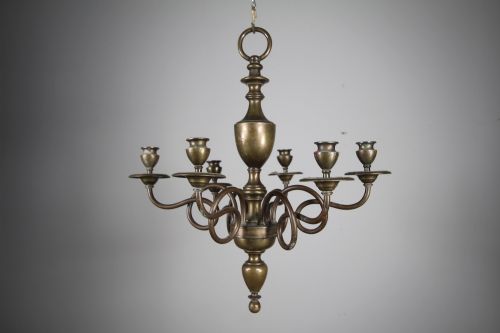
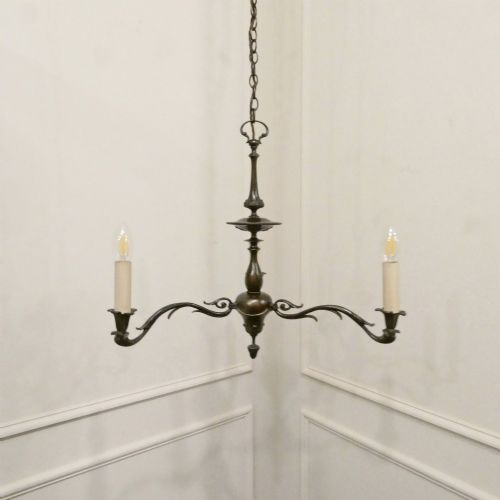
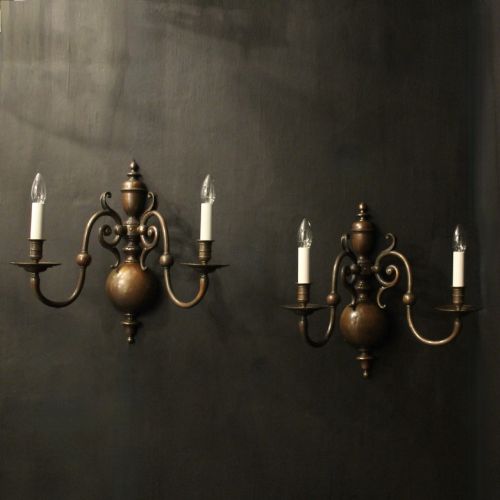
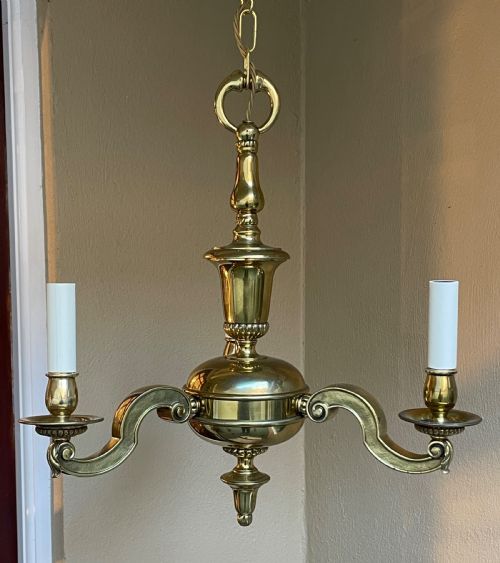
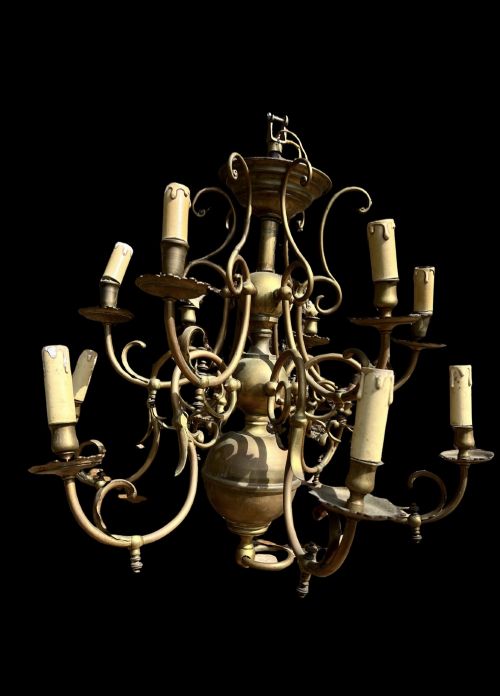
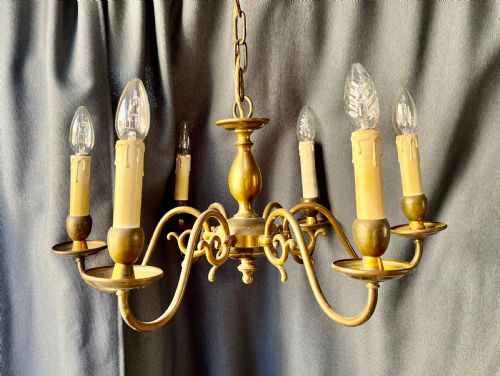
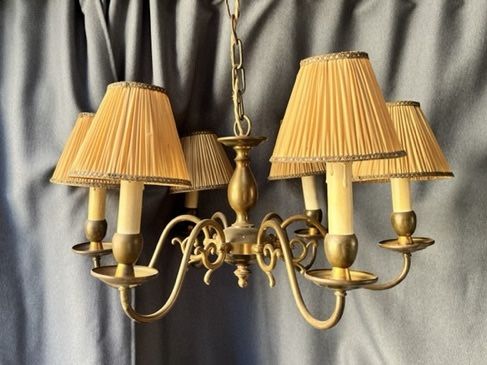
When you search for dutch lighting fixtures, you enter a field dominated by substantial brass and bronze chandeliers alongside matching wall lights and sconces. The pieces span from the 18th century through to the early 20th century, drawing heavily on Dutch Baroque, revivalist, and Amsterdam School styles. You are most likely to meet multi-branched chandeliers in solid brass or bronze, featuring scroll arms and substantial tier structures.
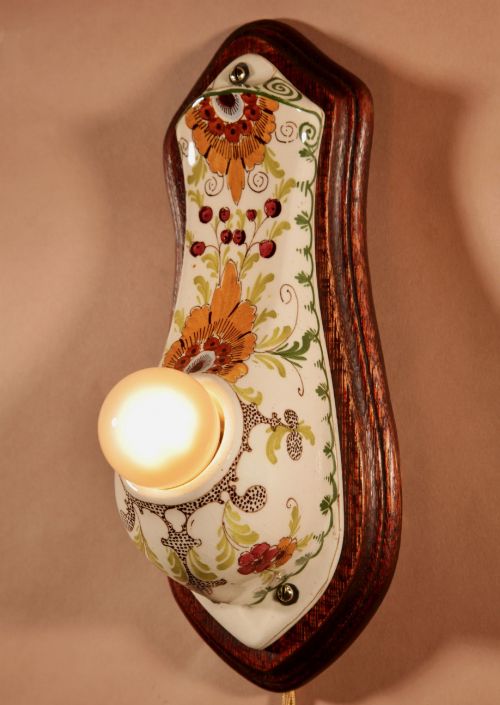
The inventory on this page ranges from large 12-branch 18th-century forms down to compact early 20th-century pendants and wall-mounted lamps. Alongside standard brass construction, forms incorporate copper, ceramic components such as Villeroy and Boch Delft elements, and occasional silver-plated finishes. The overarching aesthetic relies on heavy cast metalwork designed to anchor historic interiors.
How they were made
Makers utilised casting techniques to produce heavy bronze and brass bodies, shaping multi-tiered stems and sweeping scroll arms designed to hold multiple candles or electric conversions. Copper elements appear hand-chased, particularly in Amsterdam School pieces where metal manipulation creates surface texture.
Combination materials introduce ceramic inserts, such as Delft pottery plaques and night lights mounted in ormolu frames. Metal finishes vary from polished brass to silver plating and patinated bronze, built to endure continuous use in domestic spaces.
Dutch Lighting Fixtures Retail Price Guide 2026
Typical asking prices for dutch lighting fixtures among the pieces listed under this phrase on Sellingantiques today, from the lower quarter to the upper quarter. They describe what is for sale here now, not the wider market.
Listings span from the 18th century to the early 20th century, featuring brass, bronze, copper, and ceramic components.
What varies in quality
The upper tier of these fixtures is defined by heavy cast construction, generous branch counts extending to eight or twelve arms, and fine hand-chased detailing on the brass and copper surfaces. Lesser examples rely on lighter gauge metal and simpler, repetitive casting without the depth of historical revival ornamentation.
Material integration also dictates quality, separating standard brass work from pieces that incorporate Villeroy and Boch Delft ceramics or complex ormolu mounts. The presence of well-balanced scroll arms and integrated proportions marks the distinction between ordinary production and superior craftsmanship.
The Dutch Lighting Fixtures Glossary
- Chandelier
- A branched hanging light fixture designed to hold multiple candles or bulbs. These pieces often feature tiered brass or bronze stems.
- Wall Sconce
- A decorative wall-mounted light fixture. Examples in this category incorporate ceramic Delft plates and bronze frames.
- Ormolu
- Gilded bronze used for decorative mounts and fittings. This material frequently frames ceramic elements on wall sconces.
- Amsterdam School
- An early 20th-century architectural and design movement. Pieces in this style showcase hand-chased copper and expressive metalwork.
Dutch Lighting Fixtures: Frequently Asked Questions
How do I hang a heavy brass chandelier safely?
These heavy metal fixtures require direct structural support from ceiling joists rather than standard plaster fixings. Consult a professional installer to bear the weight of multi-branch bronze and brass structures.
Ensure the electrical supply box is rated for heavy hanging loads before mounting any antique multi-arm pendant.
Are these fixtures wired for electricity?
Most surviving pieces have been converted from candle, gas, or oil to electricity over time. Rewiring is often necessary to meet modern safety standards.
A qualified electrician can adapt the internal wiring without altering the exterior historical brass or bronze housing.
How do I clean antique brass and bronze?
Dust the metal surfaces regularly with a soft, dry cloth to prevent grime buildup. Avoid harsh chemical polishes that strip away historical patination.
Preserving the natural age of the brass maintains the visual depth inherent to these historic pieces.
How do I date a brass chandelier?
Dating relies on examining the casting methods, arm construction, and stylistic markers such as Dutch Baroque revival or Amsterdam School details. Earlier examples often feature heavier, multi-tiered central stems.
Comparative analysis of arm counts and material combinations helps place pieces between the 18th and early 20th centuries.