

Drop Flap Wooden Table
A drop flap wooden table provides flexible surface space through hinged leaves, offering practical utility across centuries of domestic life.
Drop Flap Wooden Table
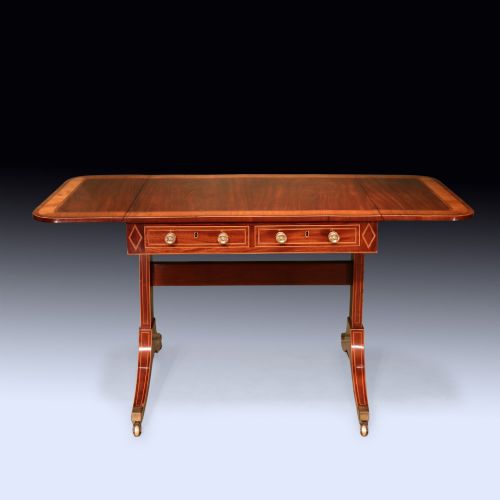
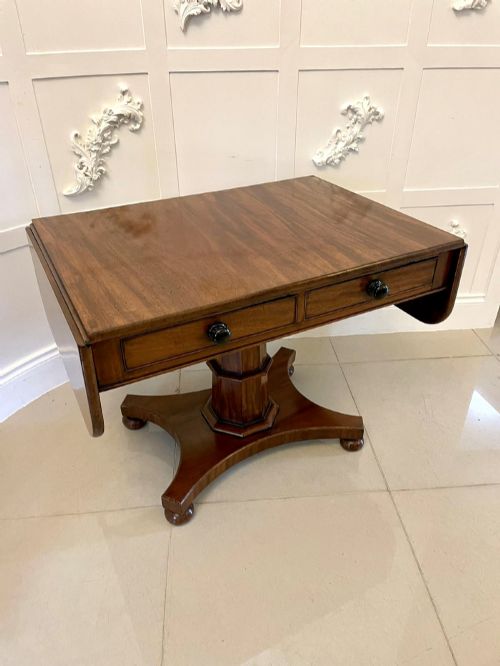
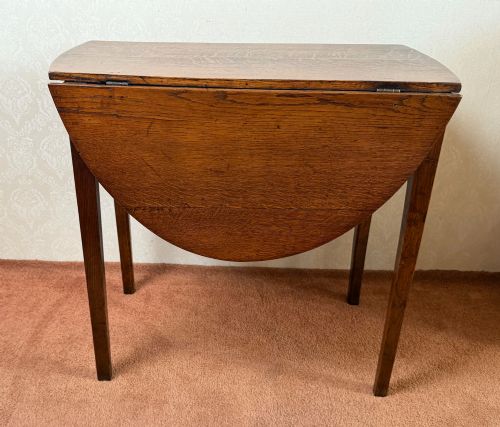
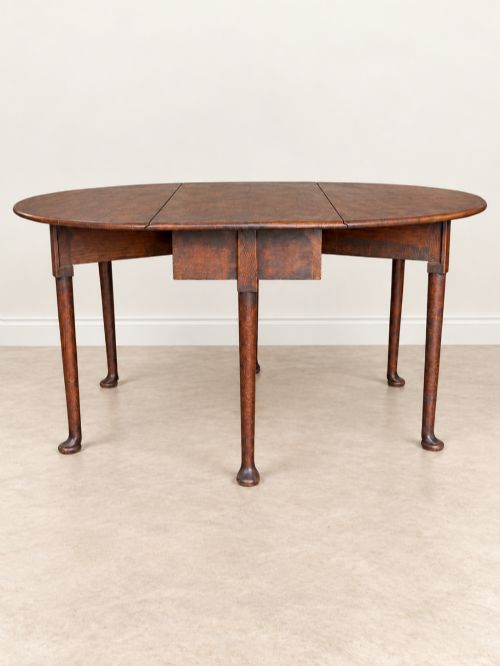
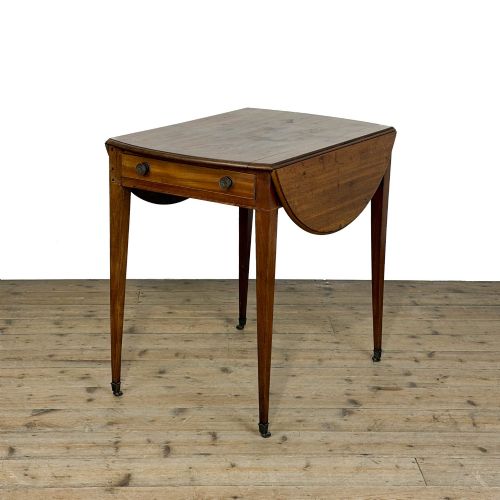
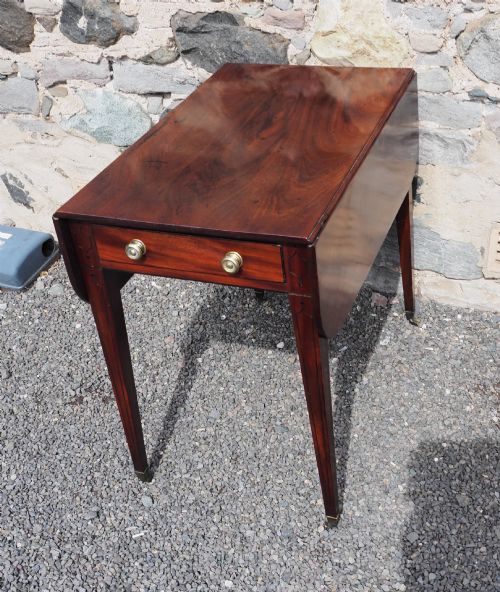
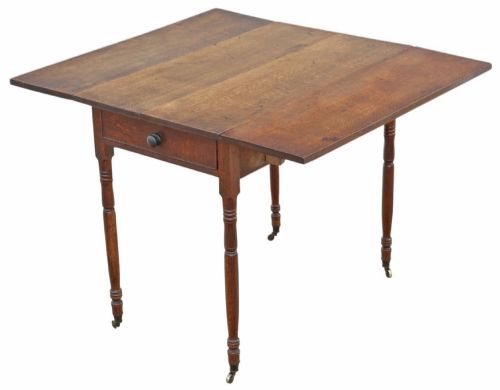
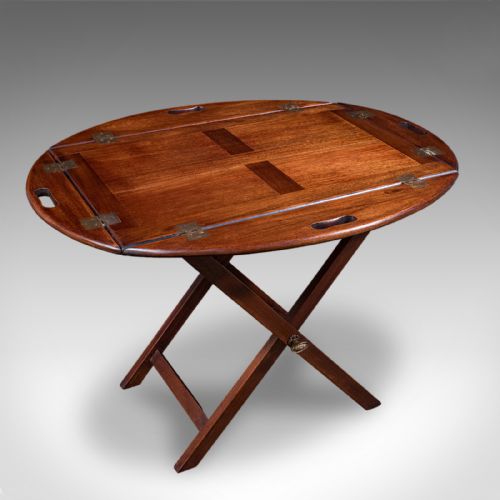
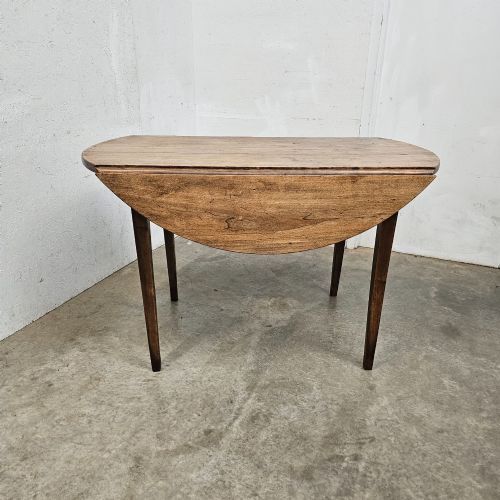
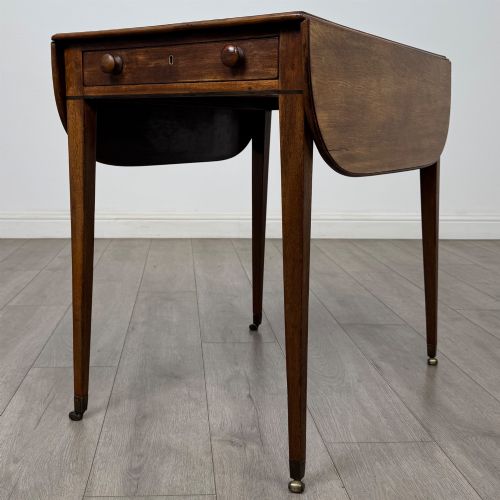
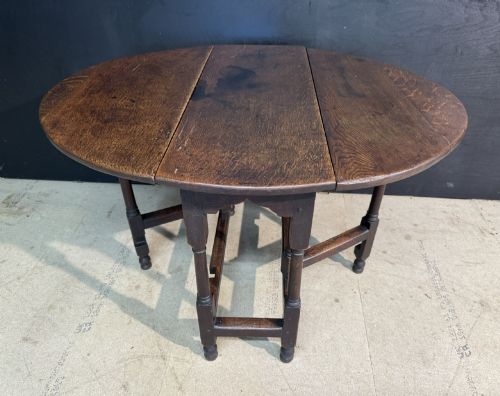
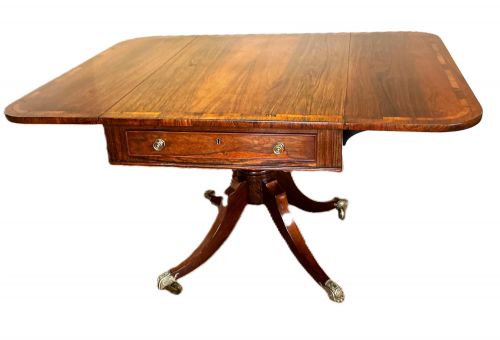
A drop flap wooden table takes several forms in domestic settings, functioning as a dining table, a Pembroke table, a gateleg table, a sofa table, or an occasional serving stand. These items provide extended surfaces that fold away when space is restricted, remaining useful in both compact rooms and larger reception spaces.
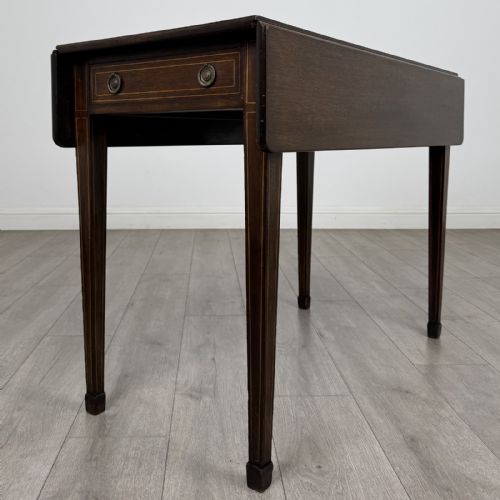
The versions most commonly met on this page include Georgian and Victorian Pembroke tables, alongside oak gateleg examples from the 18th century and earlier. Mahogany, oak, and walnut dominate the selection, often taking the form of dining tables, side tables, and lamp tables created during the 18th and 19th centuries.
How they were made
Makers constructed these tables primarily in solid timbers such as mahogany, oak, walnut, and fruitwood, sometimes incorporating satinwood and satin birch veneers for decorative surfaces. Iron and brass hardware, including hinges, castors, and drawer pulls, provided functional support for the moving leaves and drop flaps.
Joinery techniques matched the period and wood choice, utilising sturdy gatelegs, folding brackets, or Pembroke supports to hold the hinged flaps in place. Turning and inlay work added surface detail, visible in bobbin-turned legs and decorative woodwork.
Drop Flap Wooden Table Retail Price Guide 2026
Typical asking prices for drop flap wooden table among the pieces listed under this phrase on Sellingantiques today, from the lower quarter to the upper quarter. They describe what is for sale here now, not the wider market.
What varies in quality
The standard of a drop flap wooden table depends on the selection of timber and the precision of its mechanical joints. Pieces constructed from dense, figured mahogany or well-figured burl walnut sit at the upper end of the range, showing careful grain matching across the leaves.
Construction details such as original brass hardware, stable hinge mechanisms, and cleanly turned or inlaid legs distinguish finer examples from standard utility pieces. The integration of functional drawers with well-fitted linings further separates workshop output.
Johnstone and Jeanes·Gillow
The Drop Flap Wooden Table Glossary
- Pembroke table
- A small rectangular table with two hinged drop flaps on either side, often fitted with one or more drawers. This form became popular during the 18th century for breakfast or occasional use.
- Gateleg table
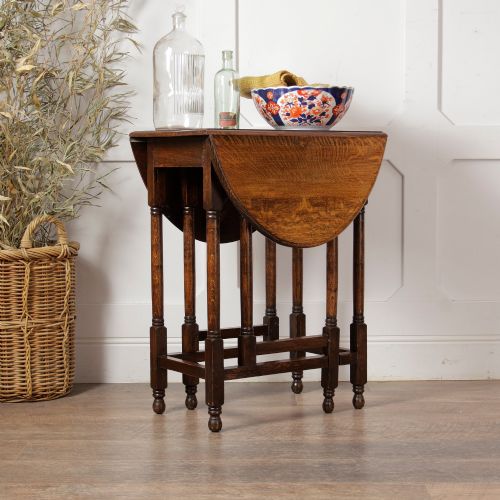
- A table with hinged leaves supported by swinging legs that pivot outward like a gate. This design provides sturdy support for large dining surfaces when fully opened.
- Sofa table
- A rectangular occasional table designed to stand in front of a sofa, typically featuring drop flaps at each end and two small drawers. These tables gained popularity during the Regency and Victorian periods.
- Sutherland table
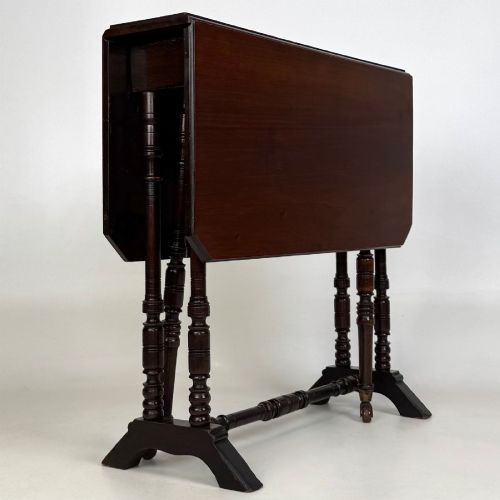
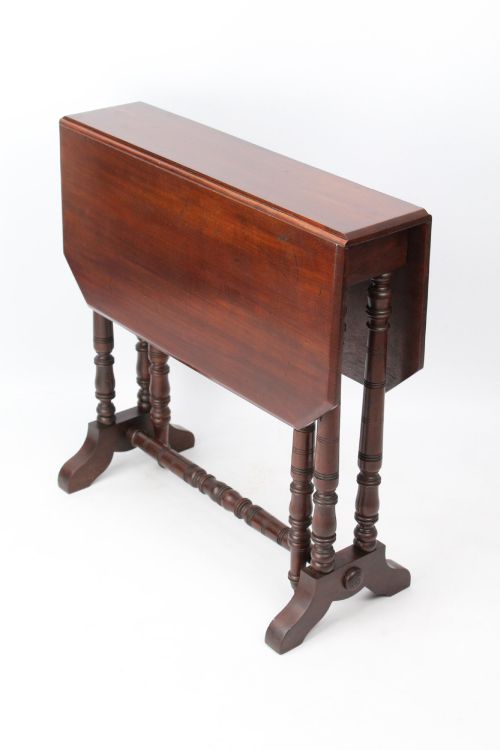
- A narrow drop-leaf table with exceptionally slender leaves and low-profile folding legs. This Victorian form folds down into a very compact footprint.
- Patina
- The surface sheen and colour developed by wood over years of handling, polishing, and ageing. Natural wear contributes to this historic appearance.
Drop Flap Wooden Table: Frequently Asked Questions
How do I use a drop flap table daily?
Keep the leaves dropped against the sides to save floor space in smaller rooms. Raise the flaps and swing out the supporting legs or brackets whenever you need extra surface area for dining or working.
Treat the polished wooden surface with care by using coasters and mats to prevent marks from hot cups or moisture. Regular dusting with a soft cloth helps maintain the finish without building up heavy wax residues.
Where should I place a drop flap table?
Position a small Pembroke or lamp table beside a chair or sofa to hold books and lighting. Larger gateleg and dining versions sit comfortably in kitchens or dining rooms where flexible seating capacity matters.
Keep wooden tables away from direct heat sources like radiators and strong sunlight to prevent the timber from drying out or warping over time.
How do I tell an 18th-century table from a Victorian one?
Examine the timber species, construction joints, and hardware style to determine age. Eighteenth-century pieces frequently utilise oak or early mahogany with hand-cut joinery, while Victorian examples often feature denser rosewood, walnut, or machine-finished mahogany.
Look underneath the table for tool marks and the construction of the drawer linings. Hand-planed boards and forged iron or early brass fittings point toward earlier Georgian or 18th-century origins.