



Dragon Bronze Burner
A dragon bronze burner brings fearsome myth and ancient ritual into your room, catching the eye with coiled tails and menacing scales.
Dragon Bronze Burner
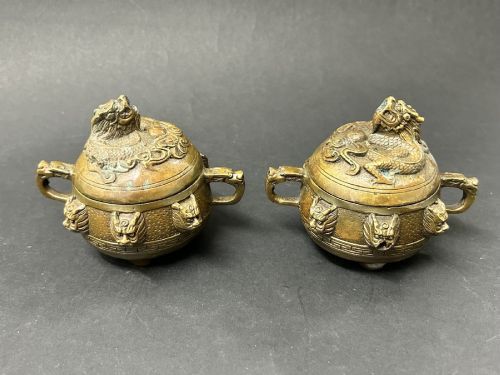
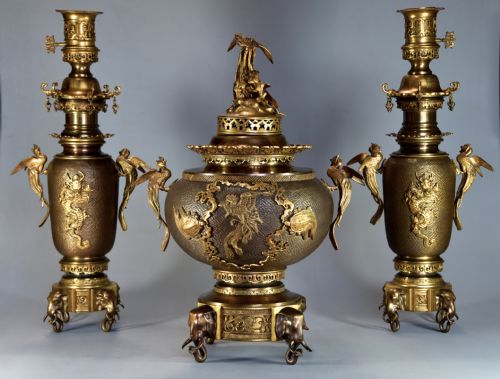
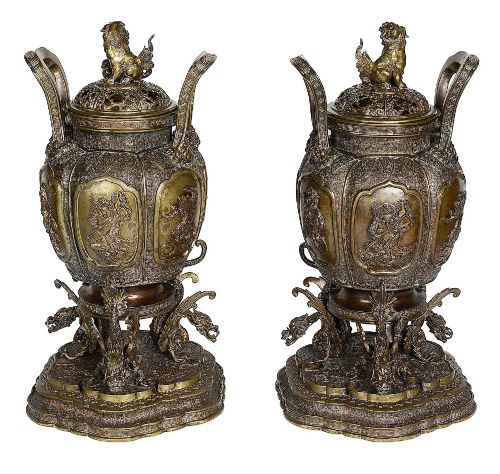
A dragon bronze burner is a vessel designed to hold burning incense, featuring cast depictions of dragons upon its body, lid, or handles. These objects serve both ceremonial and decorative purposes, carrying forms shaped by traditional Asian metalwork.
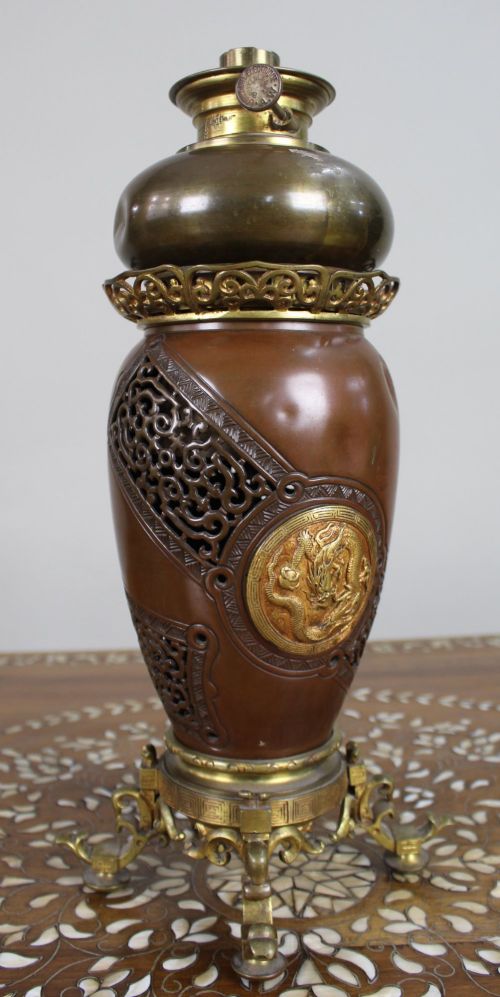
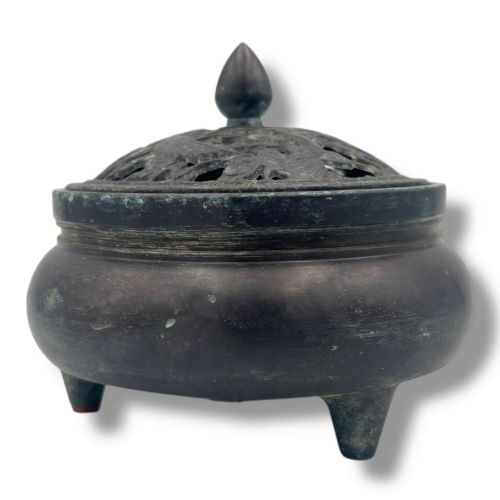
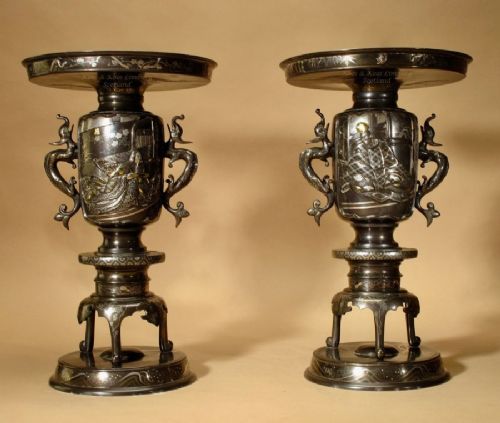
The pieces you encounter span Chinese Qing and Ming Dynasties, Japanese Meiji and Edo periods, and nineteenth century European Japonisme interpretations. Chinese tripod censers with dragon and phoenix lids appear alongside Japanese lidded urns, incense bowls, and French gilt and patinated sets.
You will find variations ranging from monumental heavy censers weighing several kilograms to smaller tripod bowls and paired vases. The origins stretch across China, Japan, and Tibet, alongside European adaptations inspired by Eastern aesthetics.
How they were made
Metalworkers utilised casting techniques to shape bronze, brass, and gilt bronze into vessels, often incorporating hardstone and jade elements. Inlaid silver and gold enrich the metal surfaces of specific pieces with contrasting metallic lines.
Casting methods created structural bodies complete with tripod legs, mask handles, and detailed lids shaped as dragons or phoenixes. Artisans applied patination and gilding to achieve varied surface finishes on the metal.
Dragon Bronze Burner Retail Price Guide 2026
Typical asking prices for dragon bronze burner among the pieces listed under this phrase on Sellingantiques today, from the lower quarter to the upper quarter. They describe what is for sale here now, not the wider market.
Listings feature bronze burners spanning the sixteenth-century Ming Dynasty through to nineteenth-century Victorian and Meiji periods, utilising jade and hardstone.
What varies in quality
The distinction in quality lies in the crispness of the casting and the depth of the metalwork, separating heavy, well-defined dragons from softer, plain surfaces. Finely inlaid details in gold or silver and integrated hardstone or jade elements elevate the craftsmanship.
Proportion and scale dictate the visual presence of a piece, separating monumental vessels from simpler bowls. The integrity of the material and the sophistication of the patination complete the measure of the work.
The Dragon Bronze Burner Glossary
- Censer
- A vessel used for burning incense. These pieces often feature pierced covers to let smoke drift out.
- Tripod
- A vessel supported by three legs. Many bronze burners stand on three feet, sometimes shaped like animal paws.
- Patination
- The surface colour and texture achieved on metal through age or chemical treatment. Artisans use patination to highlight details on dragons and masks.
- Gilt bronze
- Bronze coated with a thin layer of gold. This technique adds bright metallic highlights to the dark metal surface.
- Japonisme
- A nineteenth-century European artistic style influenced by Japanese art. French makers adopted these Eastern motifs for decorative incense burner sets.
Dragon Bronze Burner: Frequently Asked Questions
What is a dragon bronze burner used for?
These vessels were historically used for burning aromatic incense during rituals, ceremonies, or quiet contemplation. The smoke would drift through the pierced lids of the censers.
Today, they serve primarily as decorative objects or focal points in a room, appreciated for their sculptural quality and historical craft.
How do I identify a Ming or Qing dynasty piece?
Chinese pieces often bear dynastic marks, such as a Xuande or Qianlong mark, cast into the base or body. The style of the casting, the heaviness of the bronze, and the specific dragon motifs help distinguish these earlier periods.
Ming dynasty pieces show deep, historic casting traditions, while late Qing and nineteenth-century examples often display intricate detailing and varied patination.
Are Japanese Meiji period burners different from Chinese ones?
Japanese Meiji and Edo period bronzes often focus on naturalistic animal forms, lidded urns, and distinct patination styles. They reflect the craft traditions of Japanese metalworkers during the late nineteenth century.
Chinese pieces frequently utilise tripod censer forms, ritual shapes, and specific archaic motifs like dragon and phoenix lids.
How should I care for a bronze burner at home?
Keep bronze burners away from direct moisture and excessive humidity to protect the metal and any patination. Dust them gently with a soft, dry cloth rather than using liquid polishes.
If you use them for incense, place a protective layer inside the bowl to catch ash and protect the historic metal surface.