



Domed Glass Pendant
A domed glass pendant brings a warm, diffused illumination to a room, offering the clean architectural lines characteristic of early twentieth-century lighting.
Domed Glass Pendant
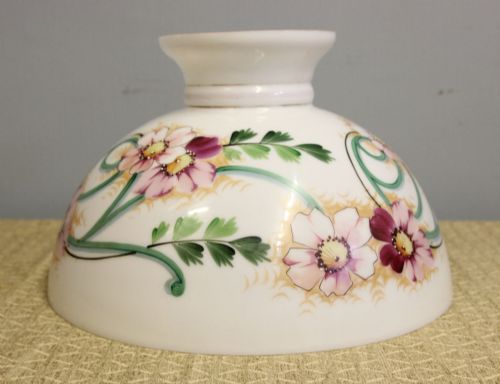
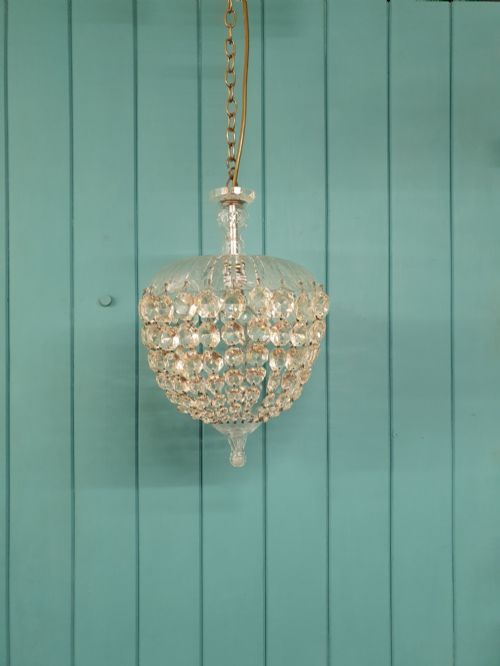
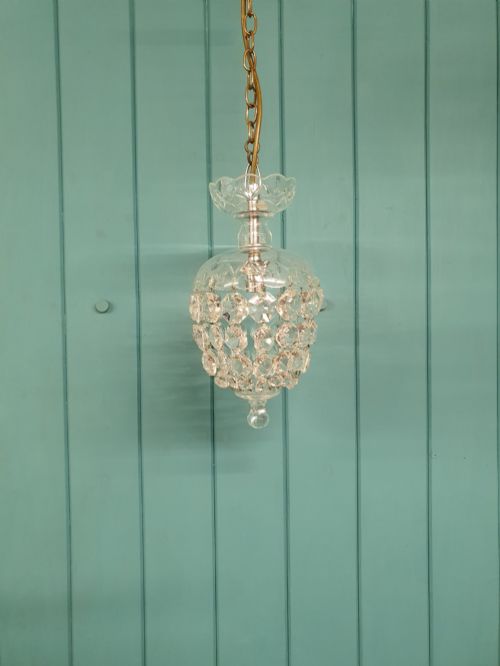
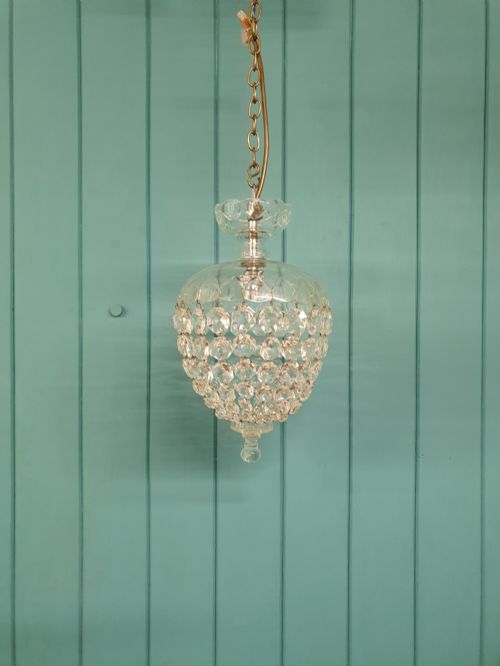
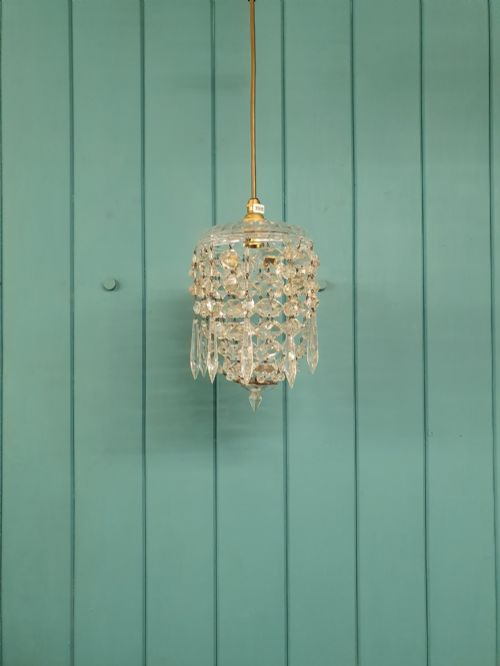
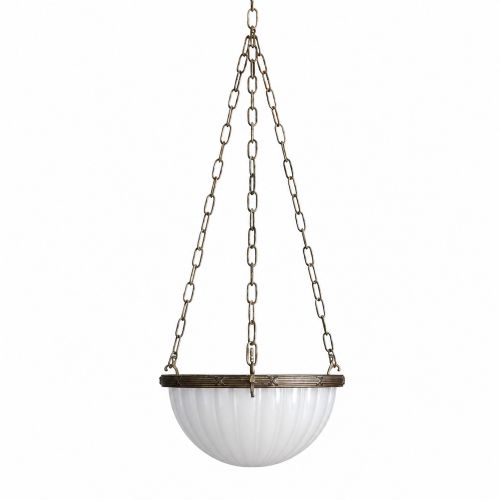
When you search for a domed glass pendant, you encounter ceiling fixtures and lamp shades spanning the Edwardian period through the nineteen-forties. These pieces take the form of dome top chandeliers, hanging oil lamp shades, and lanterns designed to suspend from the ceiling.
The materials you meet most frequently on this page combine brass, copper, and iron with clear, frosted, opaline, cut, and etched crystal glass. Styles range from simple Edwardian utilitarian designs to decorative French mid-century and Art Deco creations.
The primary forms on show are compact six-inch chandeliers up to larger decorative bowls and lanterns. They suit hallways, kitchens, and living spaces where a downward spread of light is required.
How they were made
Glass production for these shades involved blowing or pressing molten material into dome moulds, sometimes applying opaline pigments to create a milky white finish. Etched and cut crystal varieties received their patterns through wheel-cutting or acid-etching techniques.
Metal components such as brass and copper were cast, spun, or hammered to form the rims, galleries, and suspension hardware that secure the glass domes. Enamel finishes were occasionally applied to metal frames to add colour and protection against tarnishing.
Domed Glass Pendant Retail Price Guide 2026
Typical asking prices for domed glass pendant among the pieces listed under this phrase on Sellingantiques today, from the lower quarter to the upper quarter. They describe what is for sale here now, not the wider market.
Listings span four distinct periods: Edwardian, nineteen-ten, nineteen-twenty, and nineteen-fourteen.
What varies in quality
Quality rests in the depth of the glasswork, particularly where crystal has been deeply cut or where opaline glass achieves an even, glowing density. Heavier metal galleries cast in solid brass or copper outlast thinner pressed alternatives.
Artistry in the surface decoration separates standard utility lighting from superior pieces, such as those featuring detailed French etching or integrated enamel work.
The Domed Glass Pendant Glossary
- Opaline glass
- A milky, semi-translucent glass that diffuses light softly without glaring. It gained popularity in the nineteenth century and remained a staple for domestic lighting well into the twentieth.
- Cut glass
- Glass decorated by grinding facets or patterns into the surface using a rotating wheel. This technique adds sparkle and refracts light across the room.
- Gallery
- The metal ring or collar that grips the top rim of a glass lampshade. It connects the shade to the suspension chain or electrical fitting.
- Downlighter
- A ceiling fixture designed to direct light downwards towards a specific surface or task area. They are commonly found in kitchens and workspaces.
- Edwardian
- Pertaining to the reign of King Edward VII, spanning from nineteen hundred and one to nineteen hundred and ten. Lighting from this era often balances functional simplicity with gentle ornamentation.
Domed Glass Pendant: Frequently Asked Questions
How do I hang a domed glass pendant?
These ceiling lights suspend from a wired chain or rigid metal rod connected to the central gallery of the dome. Professional installation by an electrician ensures the weight is safely supported.
Position the fixture at a height that clears head room while effectively illuminating the table or hallway space below.
What rooms suit a glass dome pendant?
Their downward spread of light makes them well suited to hallways, kitchens, and dining areas. The enclosed or semi-enclosed shape directs illumination precisely where it is needed.
Smaller six-inch chandeliers fit compact spaces, whilst larger ten-inch domes anchor bigger rooms.
How do I clean opaline and cut glass?
Wash the glass shade gently in warm soapy water using a soft cloth to protect the surface. Avoid harsh chemical scourers that might scratch the material.
Dry thoroughly with a lint-free cloth before reattaching the shade to its brass or copper gallery.