

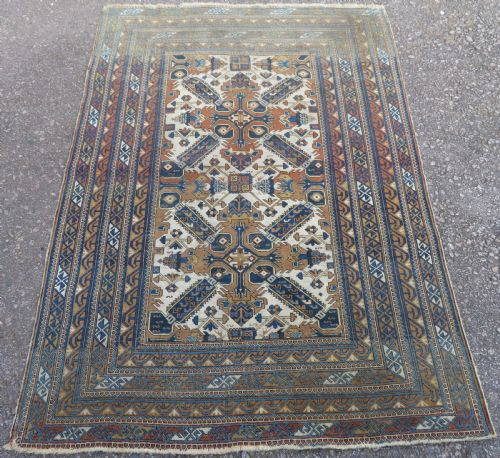
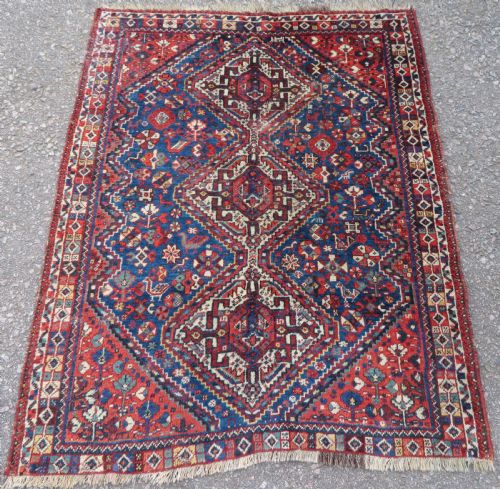
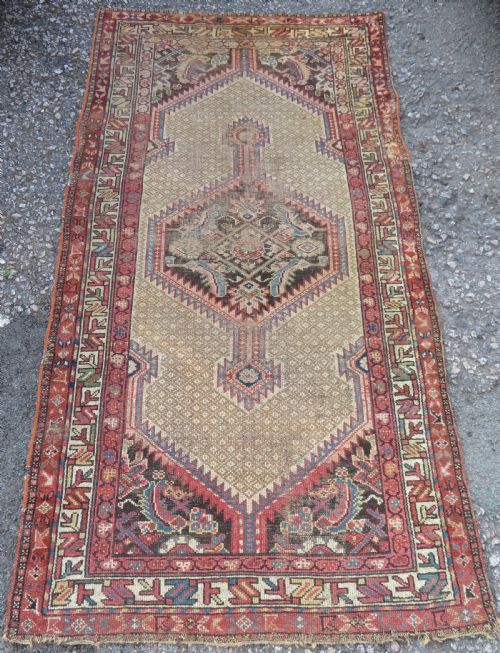
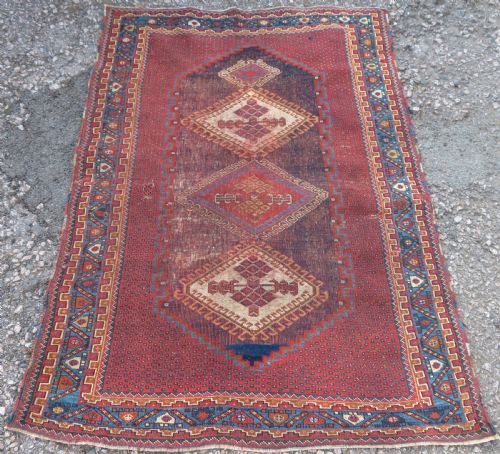
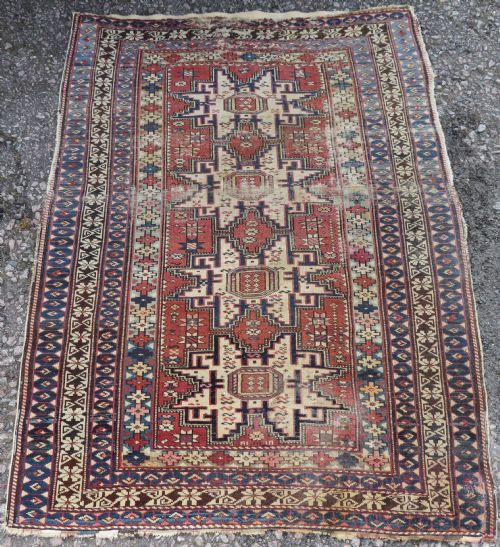

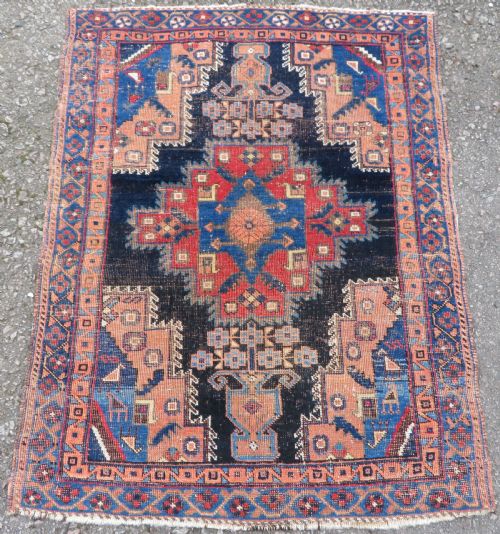

Distressed Tribal Area Rug
A distressed tribal area rug brings decades of authentic nomadic character and worn wool texture into modern rooms.
Distressed Tribal Area Rug
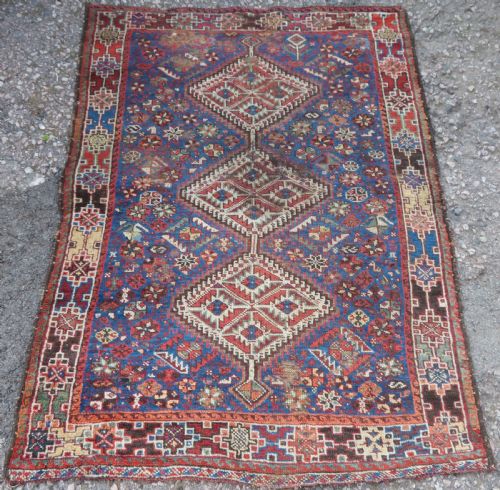
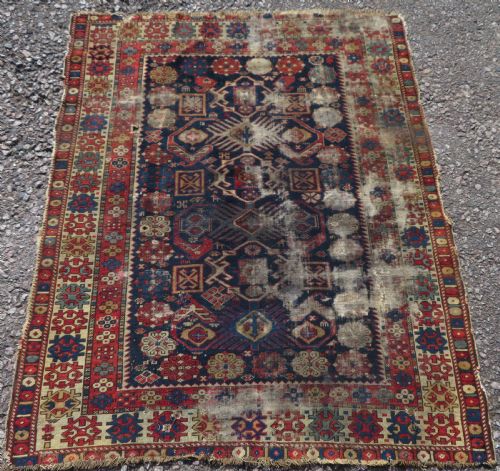
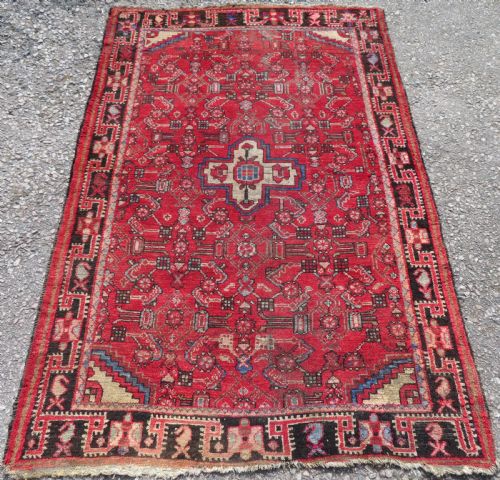
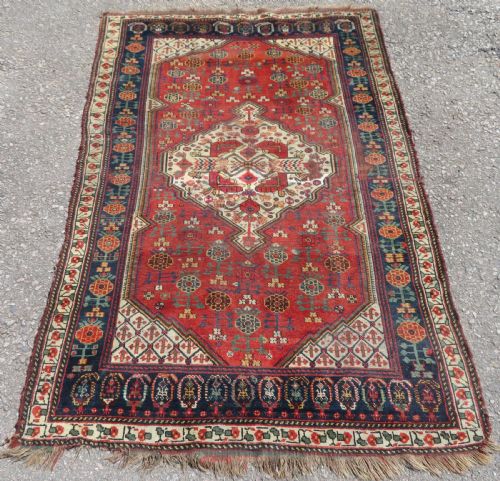
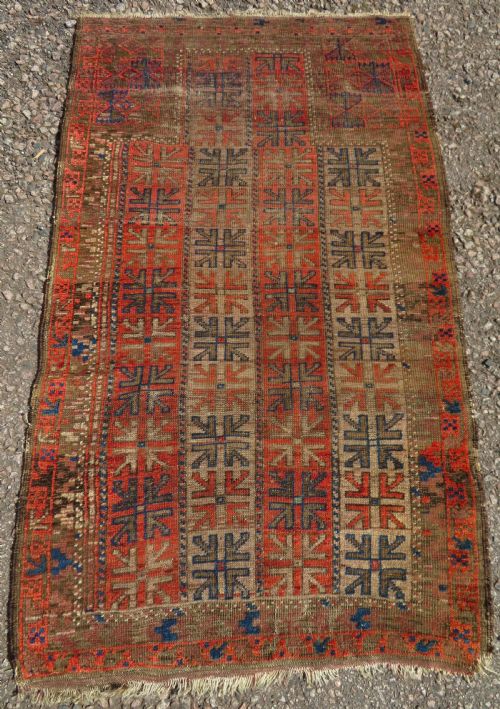
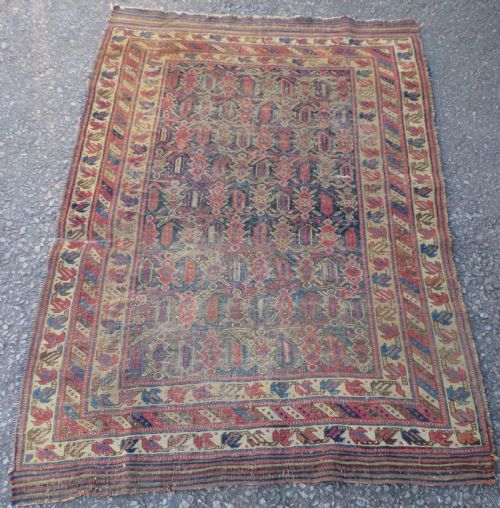
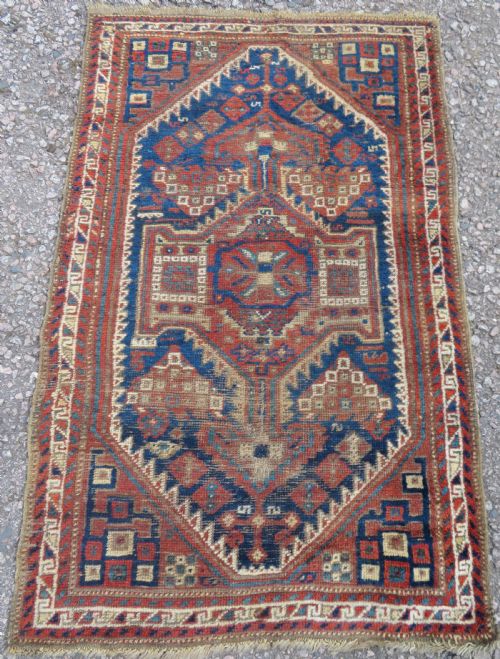
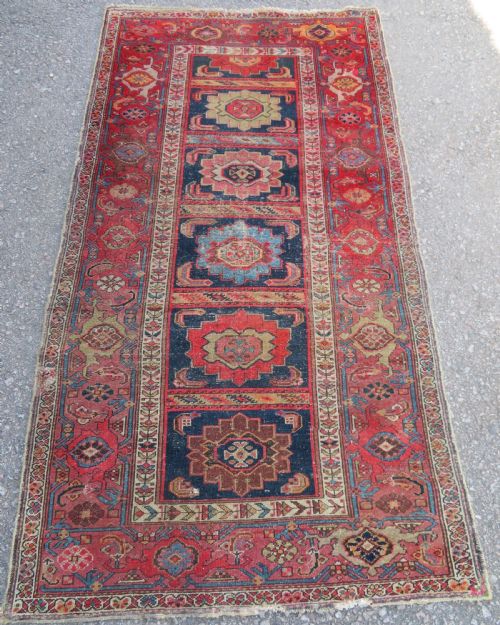
A distressed tribal area rug is a hand-knotted floor covering originating from village and nomadic traditions across Persia, the Caucasus and Anatolia. These pieces display the heritage of weavers from groups such as the Afshar, Khamseh, Baluch and Caucasian tribes.
The version most commonly met on this page is an antique room-size or scatter format woven during the late nineteenth or early twentieth century. These rugs show the natural softening of pile and muted colour palettes that come from generations of domestic use.
Buyers seek out a distressed tribal area rug for its distinct geometric motifs, medallions and earthy tones that anchor contemporary living spaces. Each piece records the unique aesthetic choices of its maker through regional weaving structures.
How they were made
These textiles rely on hand-spun wool and cotton foundations, often incorporating camel hair in the pile or foundation yarns. Weavers utilised natural dyes derived from plants and minerals, creating rich tones that age gracefully over time.
Nomadic and village artisans knotted these rugs by hand on vertical or horizontal looms, resulting in sturdy structures designed for daily utility. The weathering seen today stems from decades of friction and sunlight acting upon these organic materials.
Distressed Tribal Area Rug Retail Price Guide 2026
Typical asking prices for distressed tribal area rug among the pieces listed under this phrase on Sellingantiques today, from the lower quarter to the upper quarter. They describe what is for sale here now, not the wider market.
Nomadic weavers occasionally embedded small asymmetry quirks into their geometric borders, ensuring evil spirits could not trap the maker's soul.
What varies in quality
Quality in these textiles depends on the tightness of the knotting and the integrity of the remaining wool foundation. Finer knots allow for sharper geometric detail and greater durability despite surface wear.
The depth and brilliance of the natural dyes separate standard village weaving from exceptional tribal artistry. A successful piece maintains structural stability even where the pile has thinned significantly through age.
Afshar tribal weavers·Khamseh Arab groups·Caucasian Daghestan workshops·Baluch nomadic weavers·Persian Hamadan district
The Distressed Tribal Area Rug Glossary
- Pile
- The vertical tufts of wool or camel hair that form the soft surface of the rug. This upper layer wears down over decades to create the distressed texture.
- Natural Dyes
- Colourants extracted from plants, insects and minerals before synthetic alternatives became widespread. These dyes mellow into complex secondary shades over time.
- Warp
- The stationary vertical threads stretched onto the loom before knotting begins. Cotton and wool serve as the primary materials for these foundational structures.
- Prayer Rug
- A smaller format featuring a distinctive mihrab or arch design used for daily devotional practices. These rugs often display specific regional iconography associated with nomadic weavers.
- Medallion
- A central ornamental design motif placed in the field of the rug. Tribal weavers often repeat or stylise these geometric shapes across Persian and Caucasian pieces.
Distressed Tribal Area Rug: Frequently Asked Questions
How do I clean an antique tribal rug?
Vacuum gently without using a rotating brush roll to protect fragile, low-pile wool areas.
Professional specialist cleaning remains essential for addressing deep dust without damaging historic natural dyes.
Can I place these rugs in high traffic areas?
Sturdy wool and cotton foundations allow these pieces to handle moderate foot traffic in living spaces.
Heavily distressed areas require careful placement to prevent further fibre loss over time.
What causes the distressed appearance?
Decades of walking, natural light exposure and gentle washing gradually wear down the hand-spun wool pile.
This organic ageing process creates the faded aesthetic and soft texture prized by modern interior designers.
How do I identify a tribal design?
Tribal rugs typically feature geometric motifs, hooked polygons and stylised animals rather than formal court curves.
Nomadic weavers relied on memory and local tradition rather than drawn paper cartoons.