
Display Shelving Unit
A display shelving unit brings order to a room, and on this page you will find timber bookcases, corner shelves, and tiered whatnots from the nineteenth and early twentieth centuries.
Display Shelving Unit
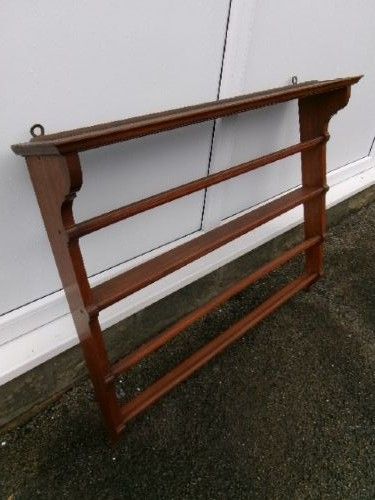
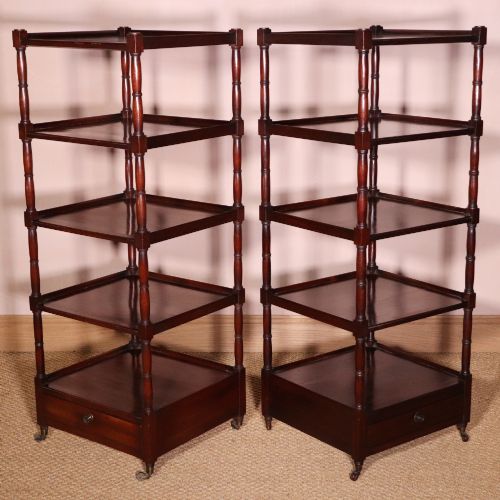
When you search for a display shelving unit, you encounter open bookcases, whatnots, etageres, and wall-hanging racks designed to hold books and decorative objects. These pieces originate from periods spanning the Georgian era through to the 1930s, encompassing Victorian, Edwardian, and Arts and Crafts aesthetics.
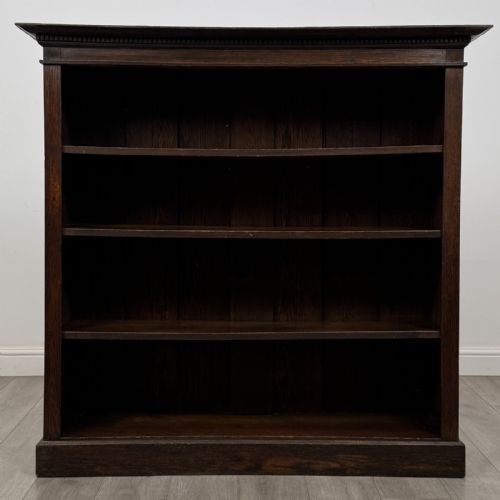
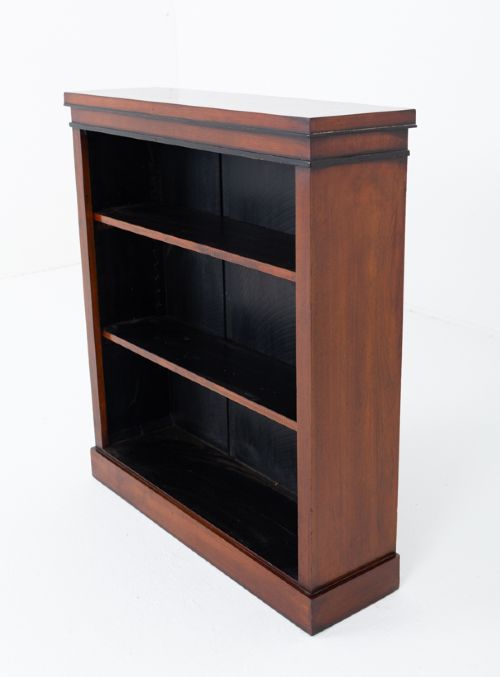
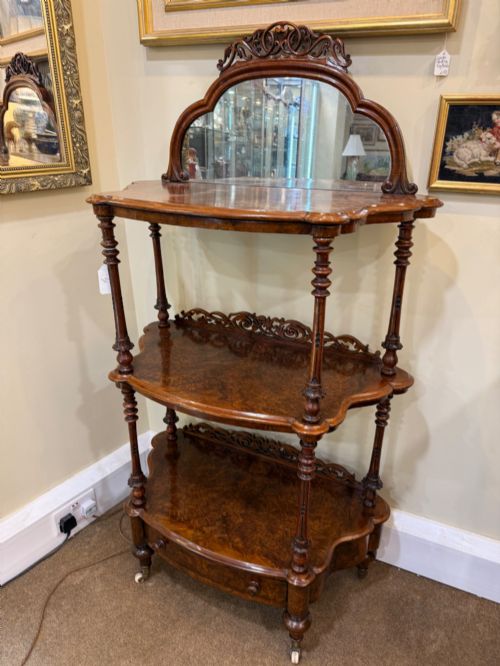
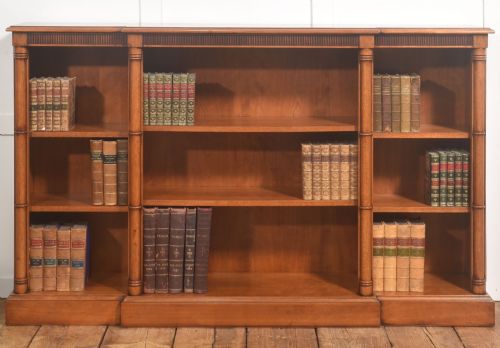
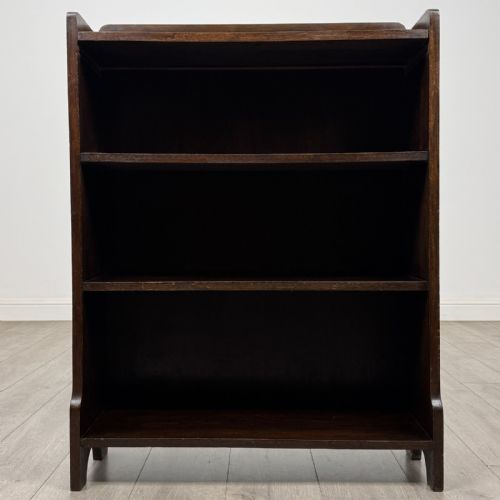
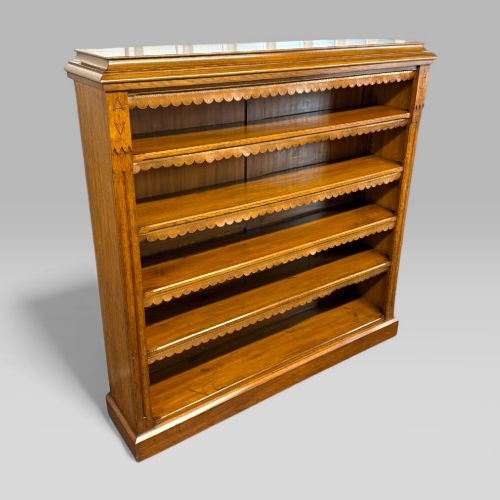
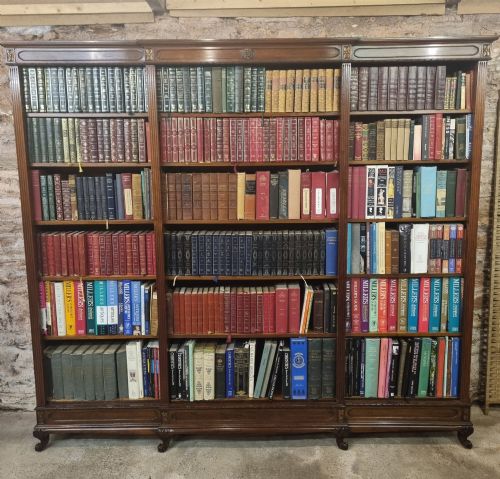
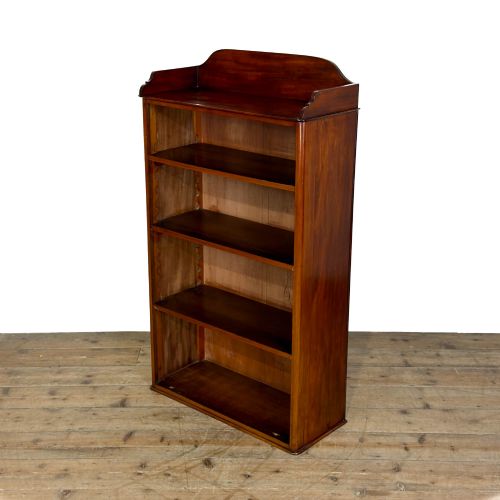
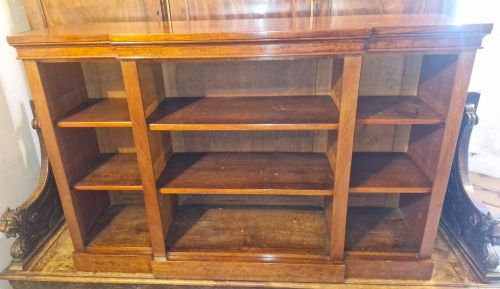
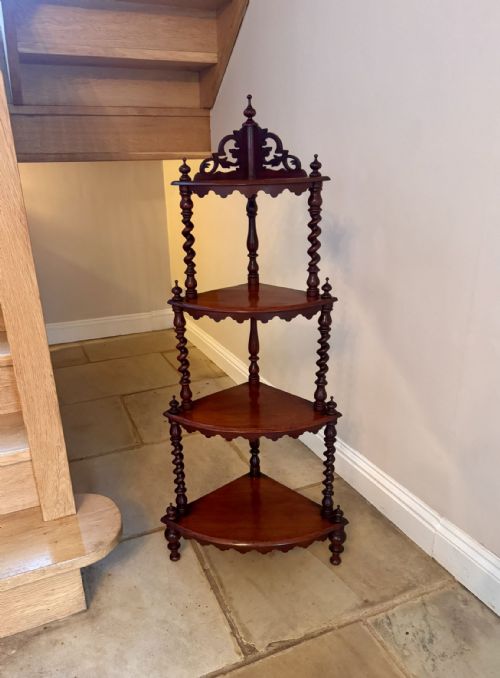
The version you are most likely to meet on this page is the open mahogany or oak bookcase, frequently fitted with adjustable shelves or a raised gallery. Corner pieces and tiered whatnots also appear regularly, offering smaller footprints for tighter spaces.
Makers utilised familiar domestic timbers to construct items tailored for everyday utility and display in parlours and studies. Regional styles range from French provincial designs to robust English oak creations.
Materials and Technique
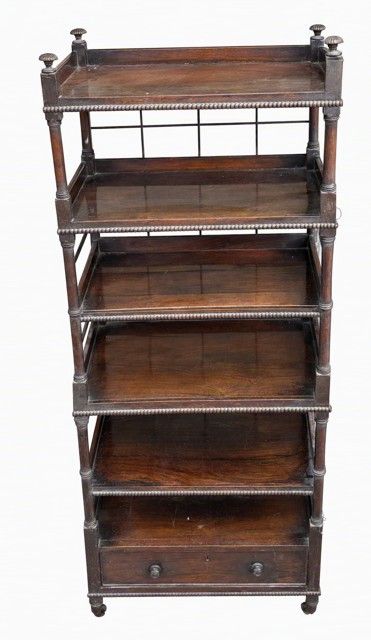
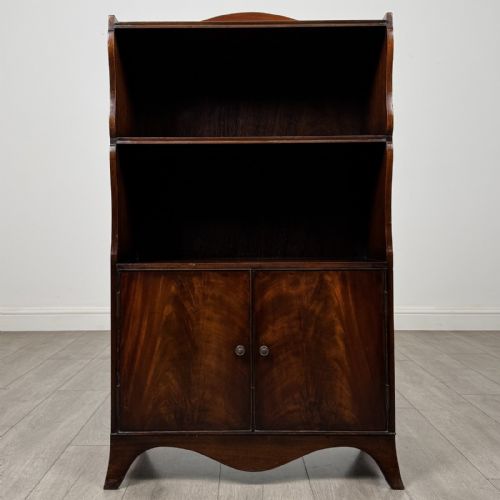
Cabinetmakers relied heavily on mahogany, oak, and walnut, often selecting burr veneers for decorative grain patterns on whatnots and breakfront bookcases. Solid pine and exotic hardwoods such as rosewood also feature in the construction of wall racks and tiered stands.
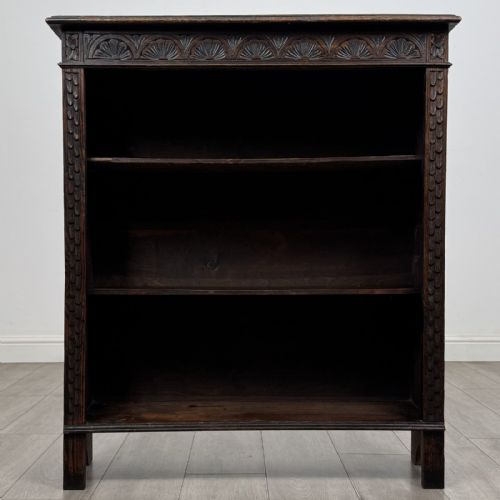
Construction techniques include bracket feet, canted corners, and carved detailing, alongside practical innovations like adjustable wooden shelving supported by brass pins. Joinery was executed by hand, resulting in sturdy frames designed to bear heavy loads of books and ornaments.
Some nineteenth-century whatnots feature tiny platforms intended solely for holding pocket watches.
Assessing Quality
The distinction between standard utility items and finer examples rests on timber selection and secondary details like inlay work, carved moulding, and brass hardware. Superior pieces display carefully matched grain across drawer fronts and gallery upstands, alongside balanced proportions.
Plain construction satisfies basic functional needs, whereas sophisticated execution reveals itself in subtle neoclassical influences, pierced galleries, and harmonious architectural proportions that elevate simple shelving into refined furniture.
Liberty
The Display Shelving Unit Glossary
- Open Bookcase
- A bookcase without doors, allowing direct access to the books stored within. These pieces often incorporate adjustable shelves and raised galleries.
- Breakfront
- A piece of furniture where the central section projects forward from the flanking wings. This architectural layout adds depth and visual interest to larger bookcases.
- Canted Corner
- A corner that has been cut away at an angle, usually forty-five degrees, rather than forming a sharp ninety-degree right angle. This detail softens the silhouette of bookcases.
- Etagere
- A piece of furniture consisting of a series of open shelves for displaying trinkets. Originating in France, it functions similarly to a whatnot.
Display Shelving Unit: Frequently Asked Questions
What is a whatnot shelf?
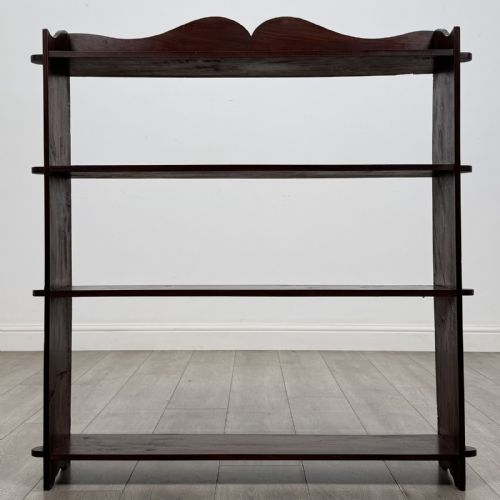
A whatnot is a multi-tiered stand designed specifically for holding ornaments, small porcelain items, and books.
These pieces were popular in Victorian parlours to display decorative objects rather than heavy libraries.
Are antique shelves strong enough?
Period shelving units constructed from solid mahogany, oak, or walnut remain robust for modern daily use.
Many examples include adjustable wooden shelves that adapt easily to different heights of books and display pieces.
How do I date an oak bookcase?
Dating relies on stylistic clues such as carved mouldings, handles, bracket feet, and the presence of Arts and Crafts influences.
Earlier nineteenth-century pieces often display richer timber patination compared to later Edwardian or 1930s alternatives.
Where should I put a corner shelf?
Corner shelves and corner whatnots utilise neglected angles in smaller rooms to provide vertical display space.
They fit neatly into corners without blocking pathways or overwhelming the floor plan of a study or sitting room.