




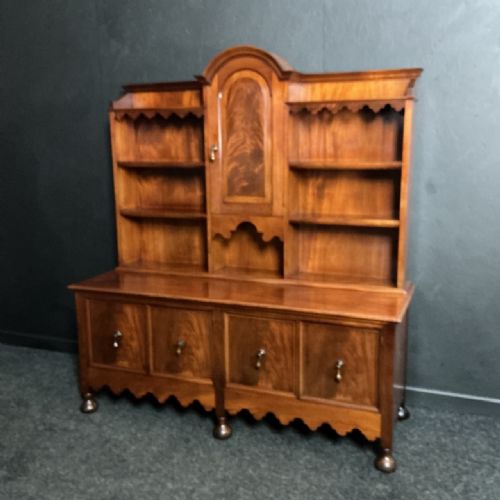
Display Cabinet Base
A display cabinet base grounds a room with timber weight, lifting curated collections off the floor.
Display Cabinet Base
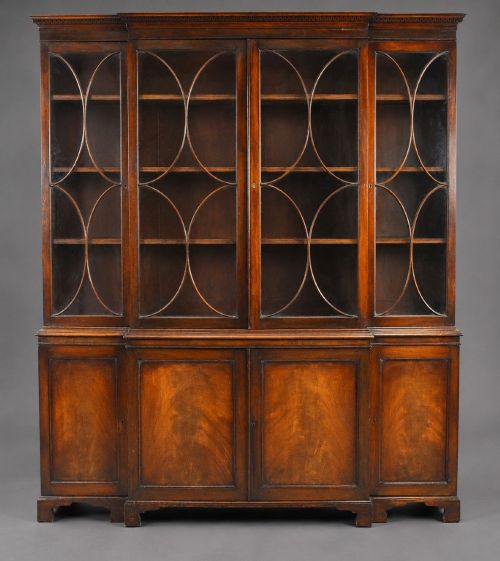
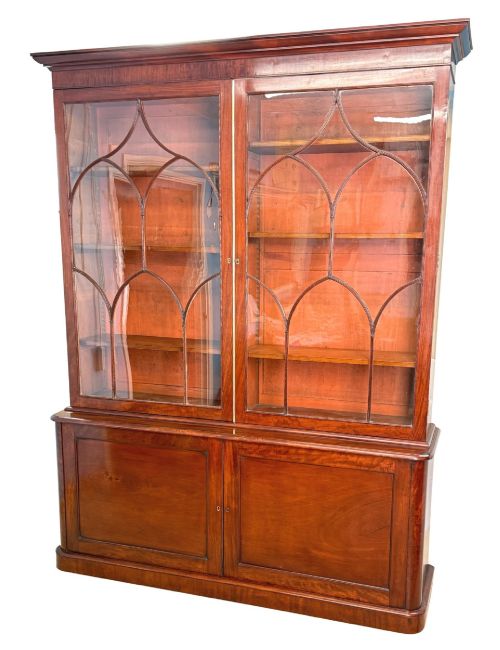
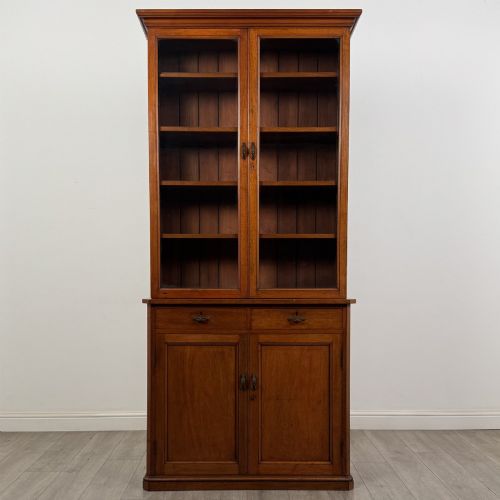
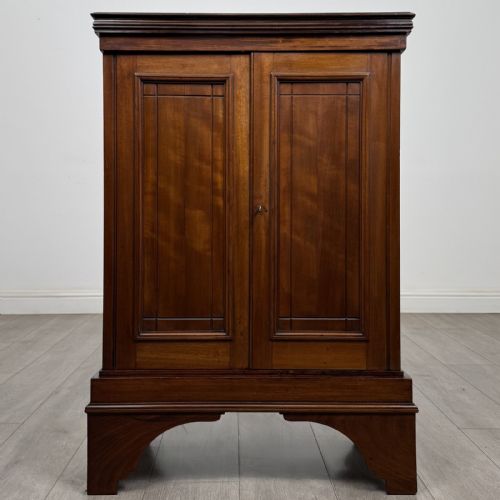
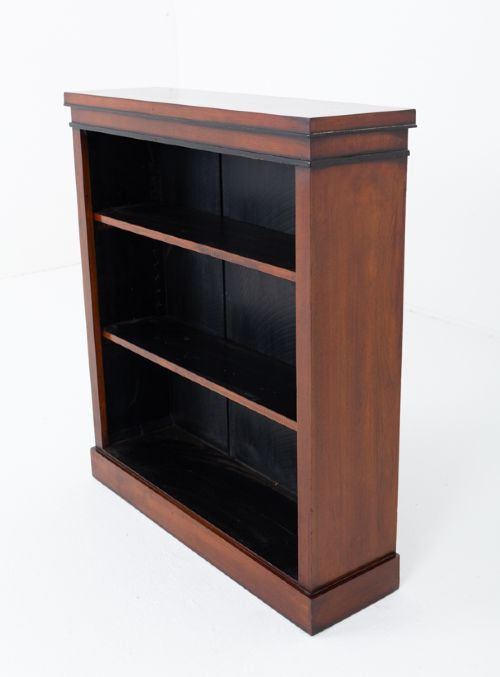
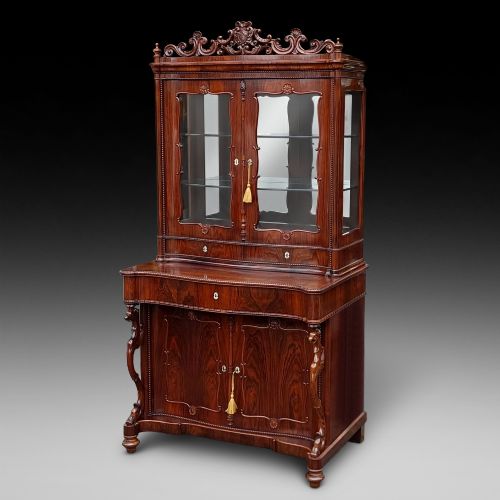
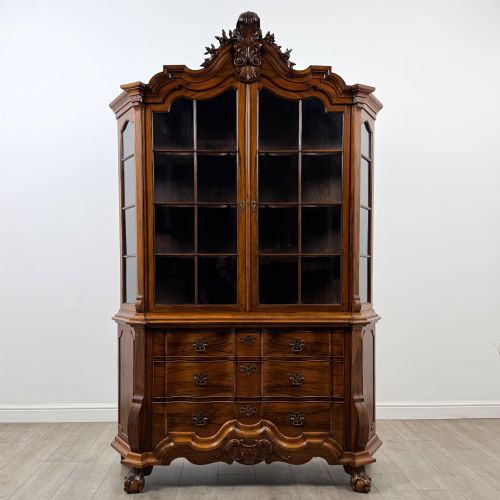
A display cabinet base provides structural support for upper shelving units or forms a sturdy lower cupboard section upon which vitrines and glazed display cases sit. When searching for a display cabinet base, buyers encounter timber carcases originating from the Victorian, Edwardian, and Art Deco periods, frequently rendered in oak, mahogany, and walnut.
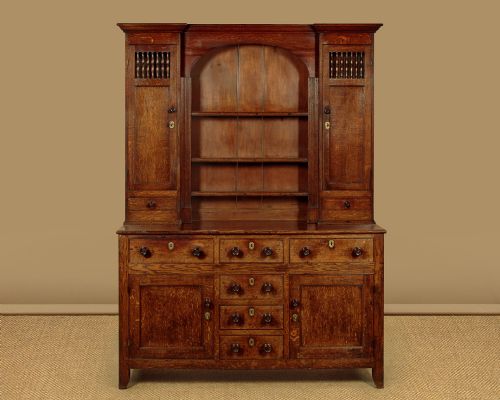
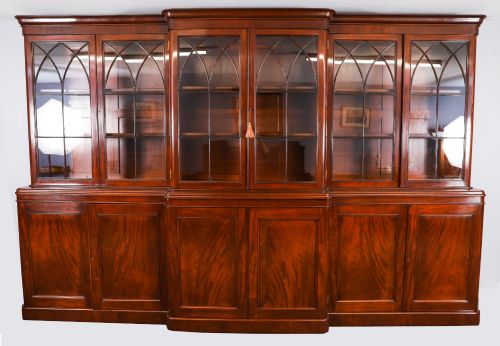
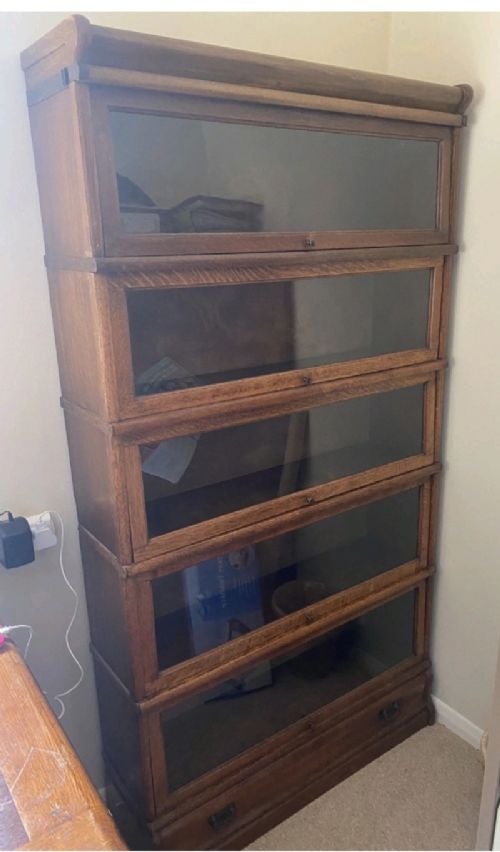
Many examples derive from larger breakfront bookcases, sectional stacking bookcases, or kitchen dressers where the lower portion functions independently as a sideboard or cupboard. These lower sections typically feature solid timber doors, drawers, or panelled plinths designed to bear the considerable weight of glass-fronted upper sections.
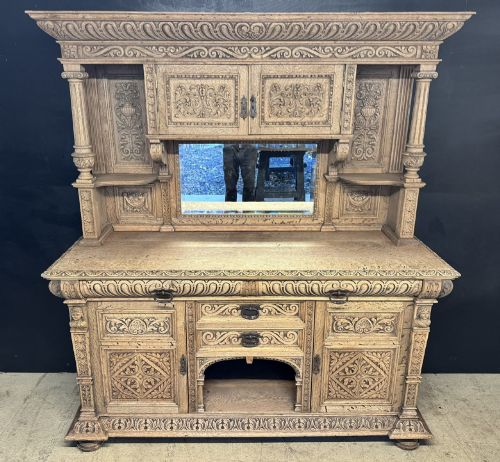
Originating across Britain, France, and northern Europe, these pieces reflect domestic storage traditions ranging from heavy Jacobean Revival oak to streamlined Biedermeier rosewood. The form prioritises floor-level storage volume, often incorporating internal shelving or drawers behind panelled doors.
Materials and construction methods
Cabinet makers utilised dense hardwoods such as oak, mahogany, and walnut, often employing solid timber for structural frames and high-figured veneers for panelled doors and drawer fronts. Carcases were assembled using traditional joinery techniques, including dovetail joints for drawer construction and mortise and tenon frames to ensure stability under heavy loads.
Surface finishes vary from hand-waxed English oak to French polished mahogany and ebonised highlights, depending on the stylistic demands of the period. Brass hardware, including drop handles, escutcheons, and hinges, provides both functional operation and decorative contrast against the dark timber surfaces.
Display Cabinet Base Retail Price Guide 2026
Typical asking prices for display cabinet base among the pieces listed under this phrase on Sellingantiques today, from the lower quarter to the upper quarter. They describe what is for sale here now, not the wider market.
A solitary cabinet base once anchored a Victorian taxidermy shop, proving that sturdy timber bases existed to hold strange wonders.
Assessing build quality and proportion
Quality rests primarily in the selection of timber and the integrity of the underlying carcase construction rather than surface ornamentation alone. Superior examples display tightly fitted dovetails, matched veneer grains across drawer fronts, and heavy timber plinths that prevent sagging over decades of weight bearing.
Proportion and scale distinguish finer workshop output from utilitarian storage pieces, with better-made bases exhibiting balanced door panels, smoothly running drawers, and substantial backboards rather than thin plywood substitutes. The integration of original brass furniture and stable hinges indicates a higher standard of original craftsmanship.
F Sage And Co·James Gardner
The Display Cabinet Base Glossary
- Breakfront
- A cabinet design where the central section projects forward from the flanking wings, adding architectural depth to the base.
- Dovetail
- A traditional interlocking wood joint formed by wedge-shaped fingers, prized for its tensile strength in drawer and carcase construction.
- Veneer
- A thin layer of highly figured wood, such as walnut or mahogany, applied over a secondary timber substrate to create decorative surfaces.
- Escutcheon
- A protective metal plate surrounding a keyhole, typically cast in brass and fixed to cabinet doors or drawer fronts.
- Plinth
- The heavy horizontal base block at the bottom of a cabinet that elevates the structure off the floor.
Display Cabinet Base: Frequently Asked Questions
What is a display cabinet base used for?
A display cabinet base serves as a robust storage unit and a structural foundation for upper shelving or display vitrines. They provide enclosed space for bulky items while offering a solid top surface.
Historically, these lower sections kept dining china, linen, or reference books concealed behind wooden doors while lighter objects were displayed above. Today, they function independently as sideboards or console tables in living spaces.
How do I identify the period of a timber base?
Period identification relies on examining construction methods, timber choices, and stylistic details such as mouldings and hardware. Victorian and Edwardian pieces frequently utilise heavy oak or mahogany with hand-cut dovetails and brass drop handles.
Later 1930s examples often display simpler geometric lines, lighter ash timbers, or streamlined Art Deco influences. Examining drawer linings and interior secondary woods helps confirm the era of manufacture.
Can these bases support heavy items?
These furniture bases were originally engineered to bear the weight of heavy glazed upper bookcases, stone surfaces, or stacked shelving units. Their solid timber carcases and reinforced plinths make them exceptionally strong.
When utilised independently in modern interiors, they easily support large televisions, heavy ceramics, or tabletop collections without structural strain.
How do I care for antique wood furniture?
Maintaining antique timber requires keeping pieces away from direct heat sources and fluctuating humidity to prevent wood shrinkage and veneer splitting. Regular dusting with a soft cloth preserves the dry finish.
Applying traditional beeswax periodically feeds the timber and maintains the natural lustre of the polish without building up artificial chemical residues.