




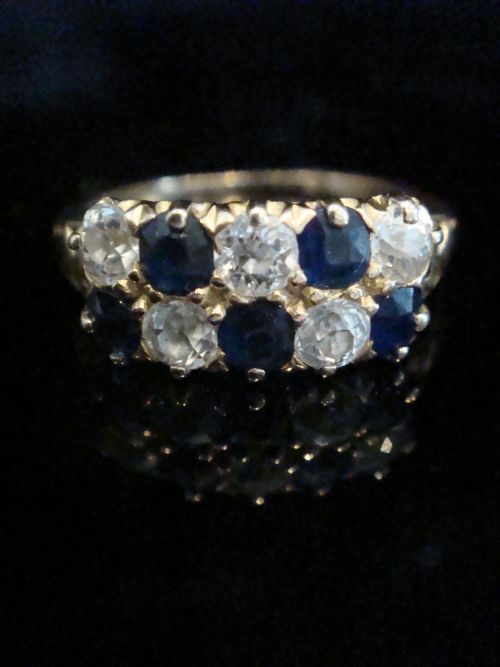

Diamond Stack Ring
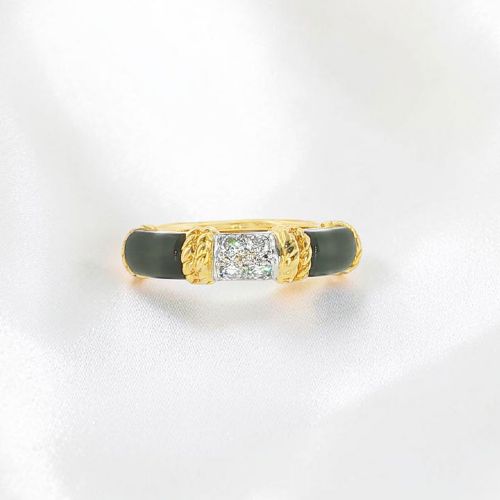
These diamond stack ring pieces offer versatile finger wear, combining multiple stones and metals across several decades of design.
Diamond Stack Ring
A diamond stack ring brings together layered bands, half eternity designs, and multi-row configurations. Buyers seeking a diamond stack ring encounter diverse options spanning Edwardian, Victorian, Art Deco, and mid-century periods.
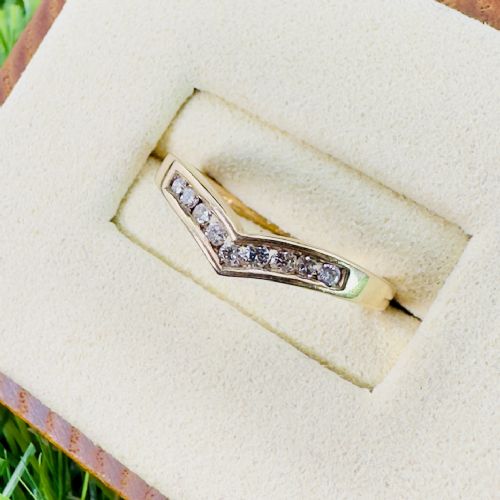
The selection includes specific configurations like wishbone bands, multi-row bands, and boat stacking rings. These forms allow separate bands to sit flush or interlock on the hand.
Origins stretch from early twentieth-century examples to later twentieth-century modernist works. Makers utilise distinct yellow gold, white gold, and rose gold foundations to mount the stones.
Assessing quality
The standard of a diamond stack ring rests upon the precision of stone cutting and the integrity of the metalwork. Older old cut diamonds display distinct facet patterns that differ from modern brilliant cuts.
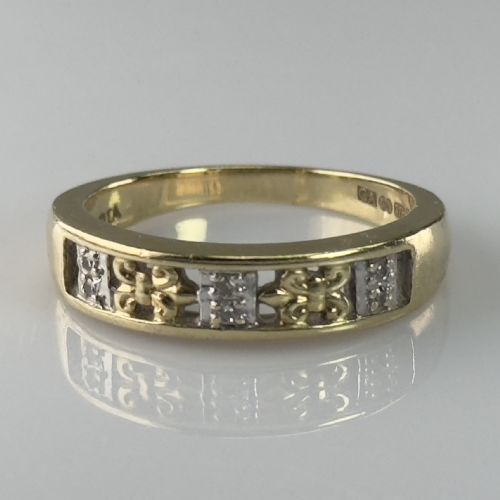
Construction heft and the uniformity of multi-row bands distinguish finer examples from standard production. Well-preserved maker marks and London assay office stamps add historical clarity to the physical object.
Diamond Stack Ring Retail Price Guide 2026
Typical asking prices for diamond stack ring among the pieces listed under this phrase on Sellingantiques today, from the lower quarter to the upper quarter. They describe what is for sale here now, not the wider market.
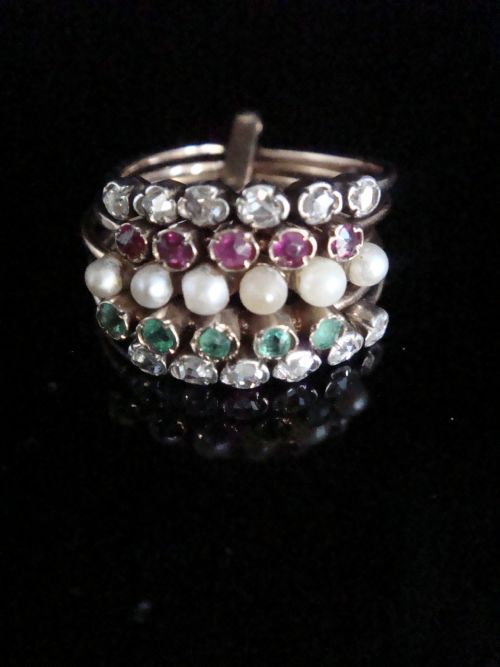
Multi-row harem rings rattle softly on the finger as the independent bands shift together, functioning as kinetic jewellery from the early twentieth century.
Kutchinsky
The Diamond Stack Ring Glossary
- Half eternity ring
- A band set with diamonds across roughly half of the outer circumference. This design allows for easier sizing and comfortable everyday wear.
- Old cut diamond
- A hand-faceted diamond shape typical of older periods, featuring a smaller table and a higher crown. These stones produce a softer candlelight sparkle.
- Wishbone ring
- A band shaped in a distinct V-curve designed to nestle against another ring. The contour frames solitary stones or fits neatly into multi-band sets.
- Harem ring
- A multi-row band constructed from several interconnected or interlocking rings that move together on the finger. These multi-tier designs create substantial visual coverage.
- Boat stacking ring
- A navette-shaped ring setting featuring a pointed boat outline that accommodates multiple stones. The tapered ends allow adjacent bands to stack closely alongside.
Diamond Stack Ring: Frequently Asked Questions
What is a diamond stack ring?
A diamond stack ring is a piece designed to be worn alongside other bands or constructed as a multi-row piece itself. These configurations combine diamonds with gold, platinum, and coloured gemstones.
Such rings span Victorian, Edwardian, Art Deco, and mid-century periods. They offer modular ways to build finger coverage using vintage or antique metalwork.
How do I wear multiple stacking rings?
Stacking rings are worn by combining several bands together on a single finger to create a layered appearance. Wishbone and curved bands fit around the contours of other rings.
Matching metal colours or mixing yellow and white gold changes the overall visual weight. Multi-row harem bands achieve a similar layered look within a single integrated piece.
How do I date a vintage diamond ring?
Dating relies on hallmarks, metal types, and gemstone cutting styles evident in the piece. Old cut diamonds and rose gold settings often point toward Edwardian or Victorian origins.
Mid-century pieces introduce distinct modernist shapes and eighteen-carat white gold constructions. Maker marks and assay office letters provide precise chronological markers.
Are these rings suitable for daily wear?
Most eighteen-carat gold and platinum stack rings are robust enough for regular daily use. Secure settings like channel or low-profile claw mounts protect the stones during activity.
Pieces containing pearls or softer gemstones require extra care to prevent surface wear. Regular inspection of the metal claws ensures the stones remain firmly anchored.