



Diamond Ear Jewellery
Diamond ear jewellery brings together centuries of stone cutting and precious metalwork, offering pieces designed to catch the light at the earlobe.
Diamond Ear Jewellery
Diamond ear jewellery spans several distinct historical periods, running from Georgian and Victorian eras through Edwardian, Art Deco, and Mid-Century designs. Buyers examining this selection will encounter drop earrings, clustered studs, and intricate pendant configurations.
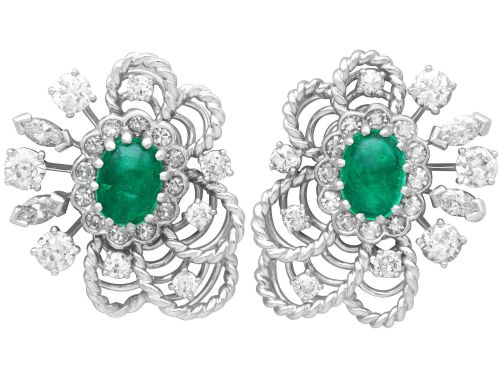
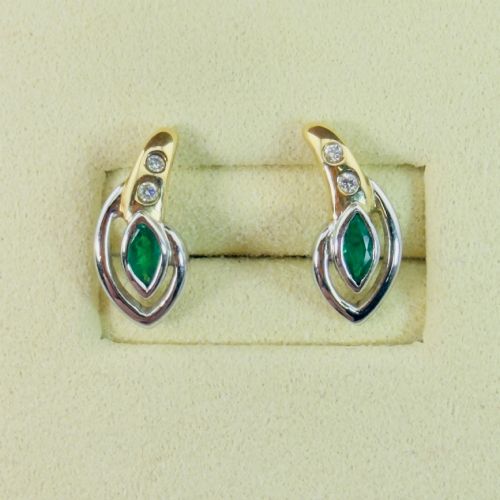
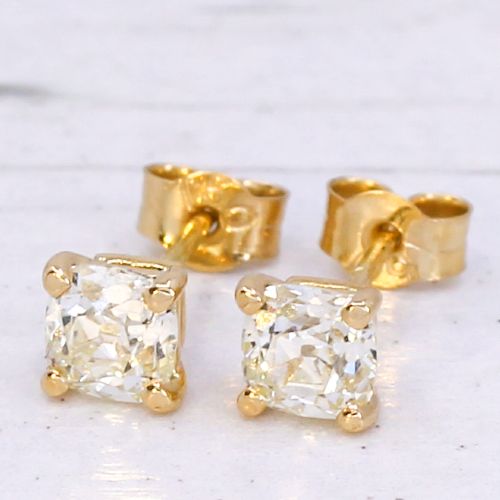
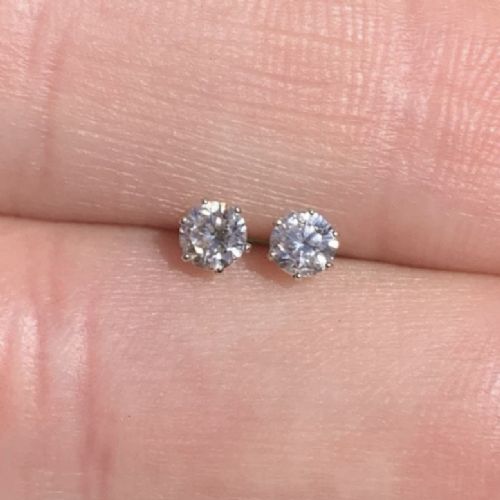
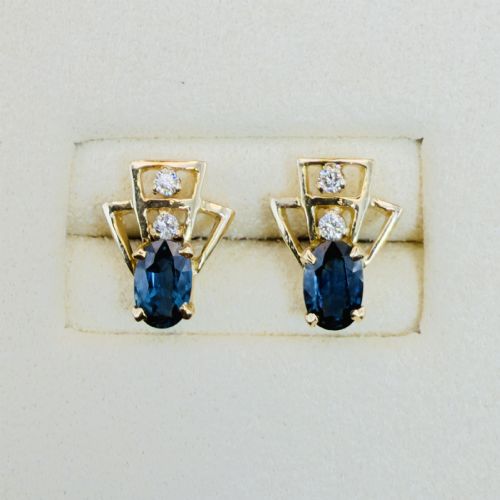
The most common formats on this page include solitary diamond studs, complex geometric Art Deco drops, and multi-stone clusters incorporating sapphires, emeralds, or pearls alongside the central stones.
Every era introduces specific mounting characteristics, ranging from early hand-cut silver-topped gold settings to later platinum and white gold constructions designed to secure substantial stone weights.
Materials and Construction Methods
Jewellerymakers utilised platinum, silver, and various carats of yellow and white gold to house the stones, often combining metals to present a bright face to the diamonds while maintaining structural strength.
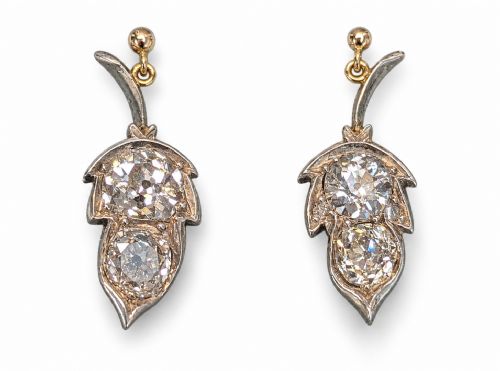
Stones were shaped by hand during earlier centuries, resulting in old mine cuts and rose cuts with broad facets, while subsequent decades introduced precise brilliant cuts secured in claw settings, bezels, or pierced frameworks.
Diamond Ear Jewellery Retail Price Guide 2026
Typical asking prices for diamond ear jewellery among the pieces listed under this phrase on Sellingantiques today, from the lower quarter to the upper quarter. They describe what is for sale here now, not the wider market.
Several pairs include clever detachable drop sections, proving that eighteenth-century wardrobes appreciated convertible day-to-night accessories just as much as modern ones.
Factors Distinguishing Quality
The standard of a pair rests upon the symmetry of the matching stones, the integrity of the original metal mountings, and the precision with which the settings hold the diamonds in place.
Superior examples maintain their original fastenings, whether screw backs, lever-backs, or clip-ons, showing minimal alterations and preserving the distinct hand-finished details characteristic of their period of origin.
The Diamond Ear Jewellery Glossary
- Old mine cut
- An early diamond cut characterised by a cushion shape, high crown, and large culet, designed under candlelight.
- Cluster earrings
- A central stone surrounded by a border of smaller gems, typically diamonds, sapphires, or emeralds.
- Drop earrings
- Pieces that suspend below the earlobe, moving independently as the wearer turns.
- Platinum
- A dense, durable white metal frequently utilised in Edwardian and Art Deco mountings to hold fine stones securely.
Diamond Ear Jewellery: Frequently Asked Questions
How do I care for antique diamond earrings?
Clean these pieces gently using warm water and a soft brush, avoiding harsh chemical dips that might damage softer accompanying gems like pearls or emeralds.
Store each earring in a separate fabric-lined compartment to prevent the diamonds from scratching the surrounding metal mountings.
Were these earrings originally pierced or clip-on?
Earlier examples from the Georgian and Victorian periods were almost exclusively made for pierced ears, utilising wire hooks or post fittings.
Later twentieth-century pieces frequently introduced screw backs or clip-on mechanisms to accommodate wearers without pierced lobes.
How can I tell an Art Deco earring from a Victorian one?
Art Deco earrings rely on platinum settings, strict geometrical symmetry, and streamlined motifs like chevrons and rectangular drops.
Victorian designs tend to feature warmer yellow gold tones, organic floral cluster arrangements, and softer hand-cut rose or old mine diamonds.
What are night and day earrings?
Night and day earrings feature removable lower sections, allowing the wearer to transition a substantial evening drop into a simpler daytime stud.
This clever modular construction was particularly popular during the Georgian and Victorian eras for practical versatility.