
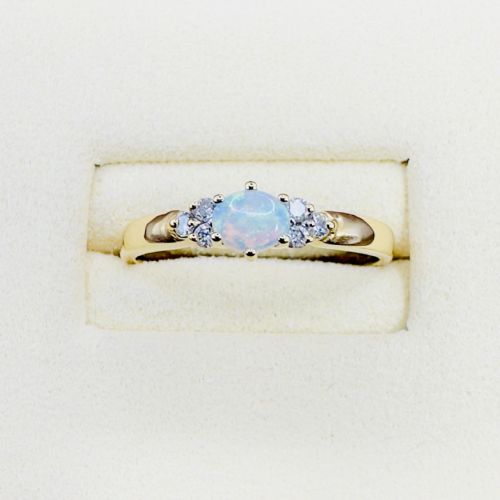
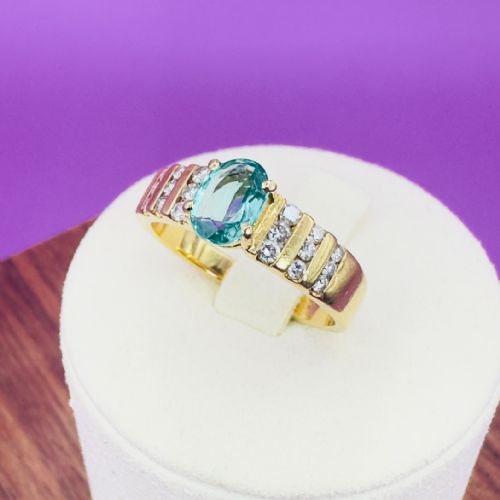


Diamond Cluster Shoulder Ring
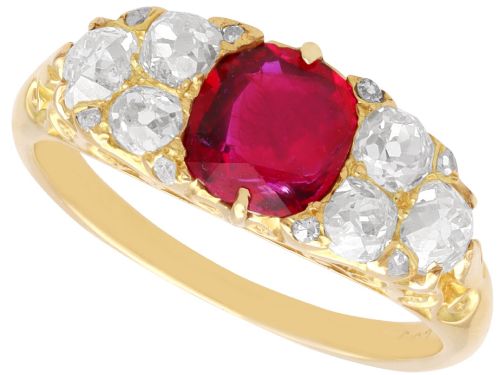
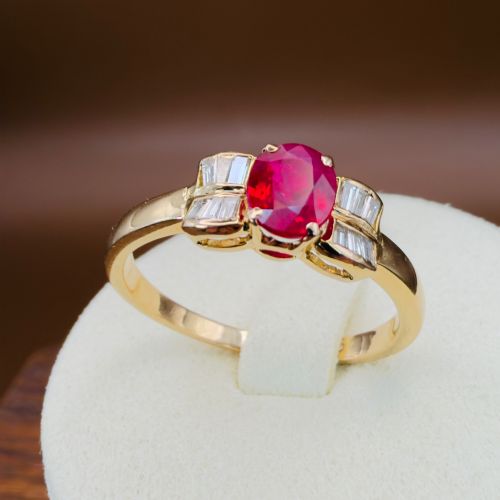
A diamond cluster shoulder ring sits low on the finger with accent stones along the band, offering brilliant sparkle and timeless character.
Diamond Cluster Shoulder Ring
A diamond cluster shoulder ring brings together a central stone encircled by smaller gems, often featuring decorative accent stones on the band itself. These pieces span periods from the Victorian era through the Art Deco decades into the mid-twentieth century and beyond.
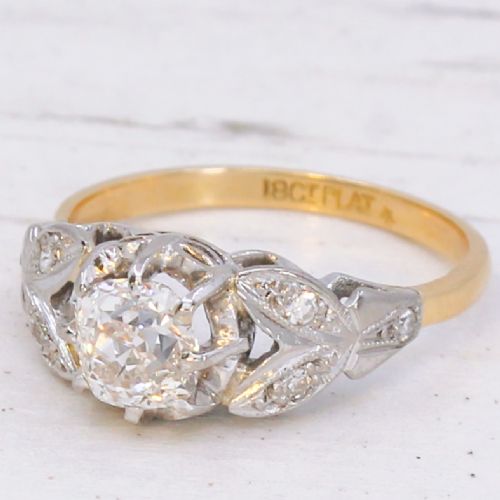
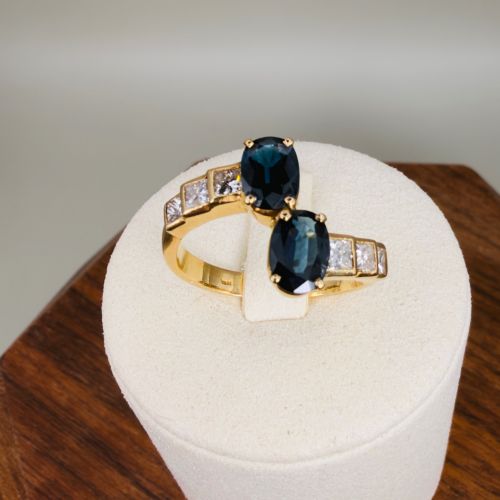
Most examples you encounter on this page date from the 1930s or utilise 18ct gold and platinum settings. Alongside traditional diamond arrangements, many designs incorporate sapphires, rubies, emeralds, opals, and tanzanite as central stones.
The styles range from authentic Victorian and Edwardian work to Art Deco geometry and contemporary classic interpretations. Engagement rings and cocktail rings dominate the forms available here.
How they were made
Goldsmiths set diamonds and coloured gems into platinum or 18ct gold, utilising both yellow and white gold variations according to the period. Platinum settings became particularly prominent during the Art Deco era for securing intricate geometric clusters.
Cut styles vary across the decades, pairing old cut diamonds with baguette, princess, and oval cut stones. Gemstones are meticulously claw-set or bezel-set to highlight the central cluster while framing the shoulders of the band.
Listings feature periods spanning the Victorian era through the 1920s, 1930s, 1940s, 1950s, 1960s, and later.
What varies in quality
The distinction between tiers rests on the proportion of the central cluster to the shoulder stones and the matching quality of the gems. Heavier metal weight in the shank and precise symmetry in the stone arrangement elevate a piece.
Artisanal execution in the millegrain work, gallery openwork, and prong settings determines the lasting elegance of the ring. Premium examples maintain crisp detail in the shoulder design without compromising the structural integrity of the basket.
The Diamond Cluster Shoulder Ring Glossary
- Cluster ring
- A ring featuring a central gemstone surrounded by a border of smaller stones. This layout maximises visual impact and light return on the hand.
- Shoulder
- The upper portion of the ring shank as it approaches the main setting. These areas often receive engraved decoration or supplementary accent diamonds.
- Old cut
- A diamond facet style popular in antique and vintage jewellery before modern brilliant cutting standards took over. These stones display smaller tables and deeper pavilions.
- Millegrain
- A decorative technique involving a row of tiny metal beads along the edge of a setting. It adds a refined, textural border typical of Edwardian and Art Deco design.
Diamond Cluster Shoulder Ring: Frequently Asked Questions
How do I wear a cluster ring daily?
Pair the ring with a plain wedding band or wear it alone on the hand to let the central cluster and shoulders draw attention.
Take the ring off during heavy manual tasks to protect the claw settings and softer centre stones like opal or tanzanite from accidental knocks.
Are these rings suitable for engagements?
Many buyers choose antique and mid-century cluster rings specifically for engagements because they offer distinct historical personality and impressive finger coverage.
Platinum and 18ct gold mountings from the Victorian and Art Deco periods provide the durability needed for everyday wear.
How do I identify an Art Deco ring?
Art Deco pieces typically display geometric symmetry, platinum settings, and sharp lines contrasting with softer floral Victorian motifs. Baguette and princess cut stones frequently appear alongside old cut diamonds in these symmetrical arrangements.
The use of white gold and platinum together with stylised shoulder details marks out this distinctive 1930s aesthetic.
What is an East to West setting?
An East to West setting mounts an elongated oval or marquise stone horizontally across the finger rather than vertically up and down. This orientation creates a wider silhouette that flatters the hand and showcases the shoulder details differently.
Such layouts appear on select mid-century gold cluster rings in the collection.