
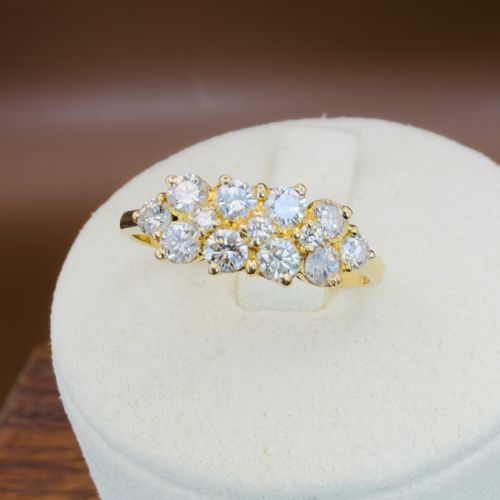
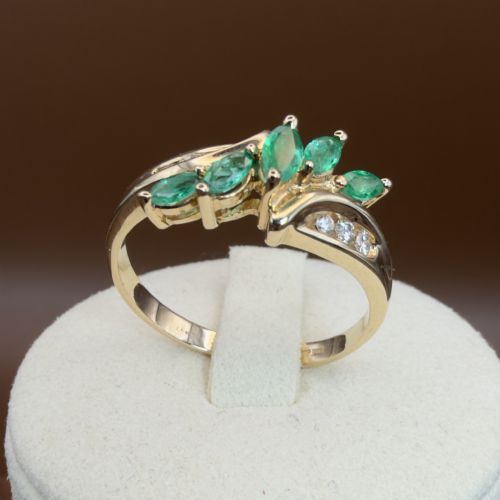
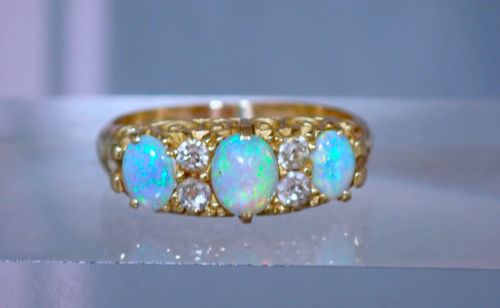
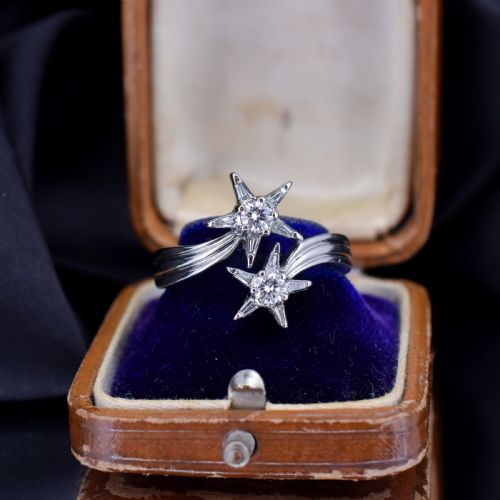
Diamond Cluster Band
Diamond cluster band designs combine concentric stone settings into striking finger and wrist adornments.
Diamond Cluster Band
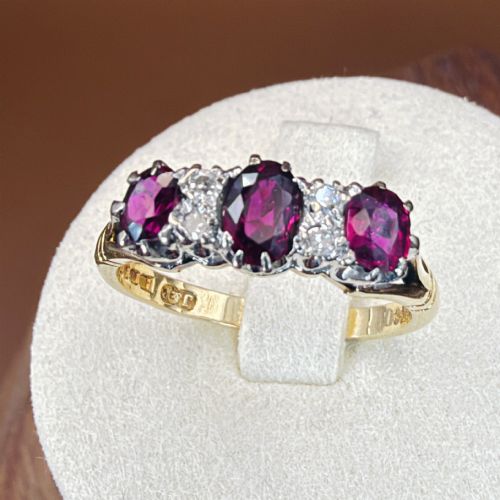
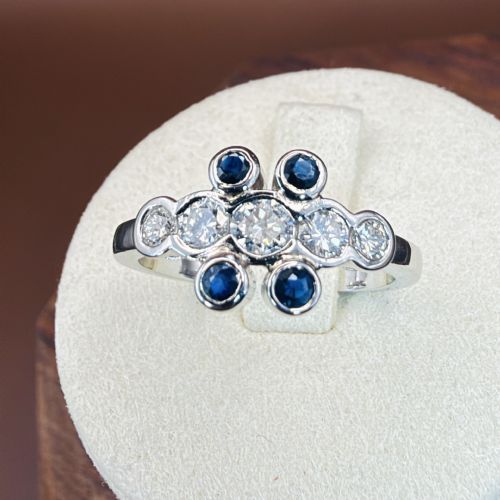
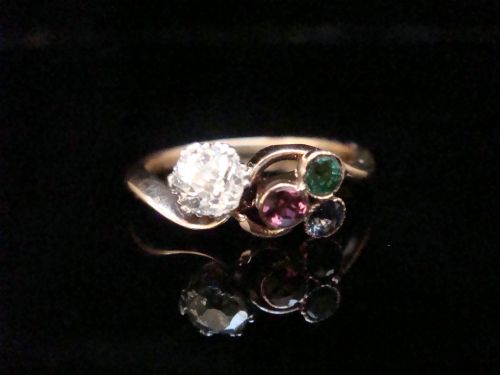
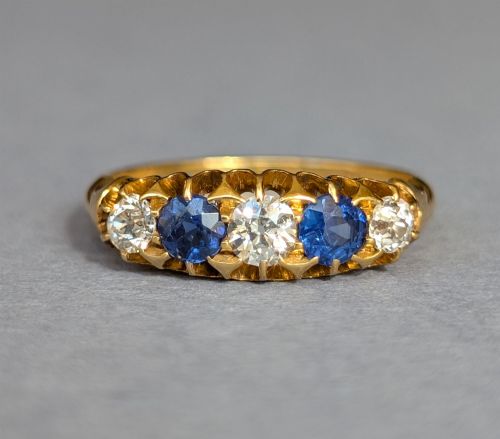
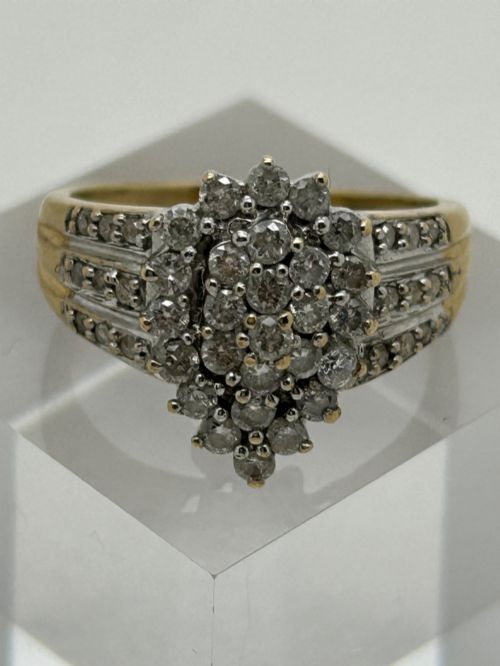
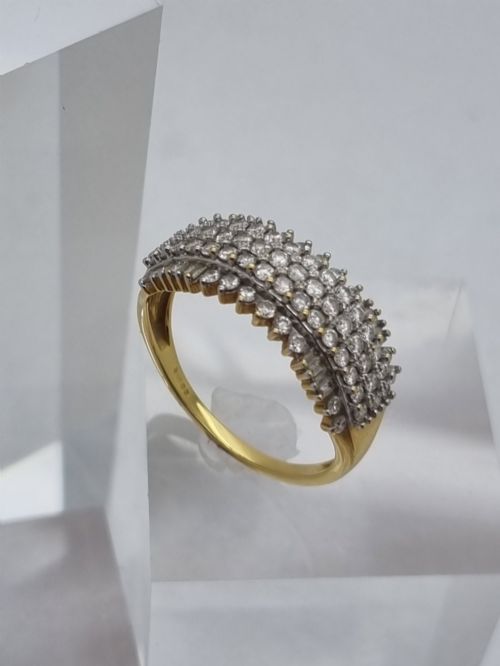
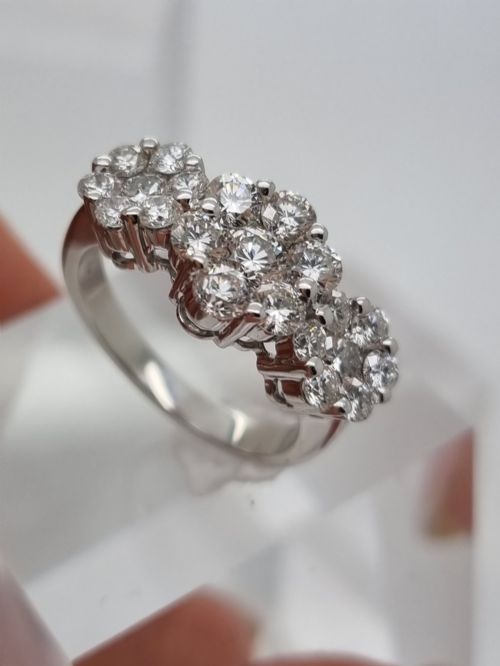
A diamond cluster band brings together multiple stones in structured formations like floral clusters, boat shapes, and traditional groupings. These pieces appear across periods from the Victorian era through the Edwardian years and into Art Deco and mid-century modern designs.
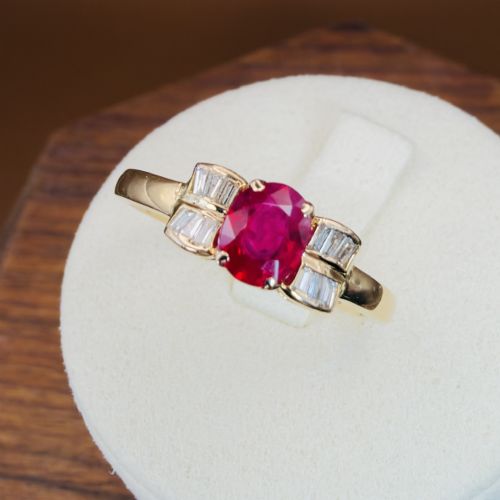
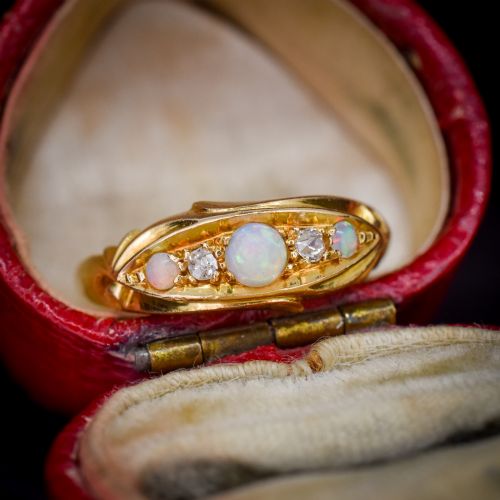
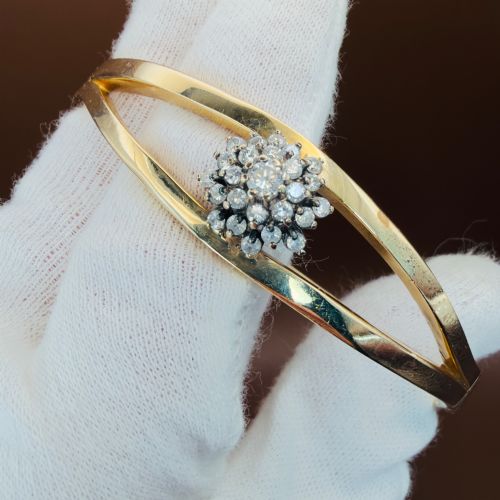
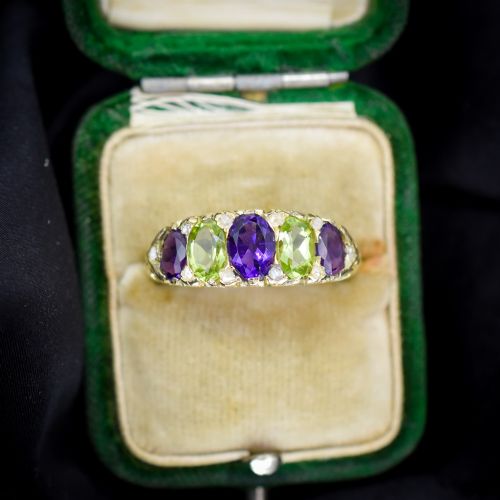
The selection ranges from antique Edwardian boat rings to chunky mid-century bangles and detailed cocktail rings. Each variation reflects the prevailing aesthetic of its decade of origin.
Materials and construction methods
Goldsmiths utilised 18ct gold, 14ct gold, and platinum as the primary structural metals for mounting stones securely. White gold and platinum became particularly prominent in later periods to enhance the brilliance of the diamonds.
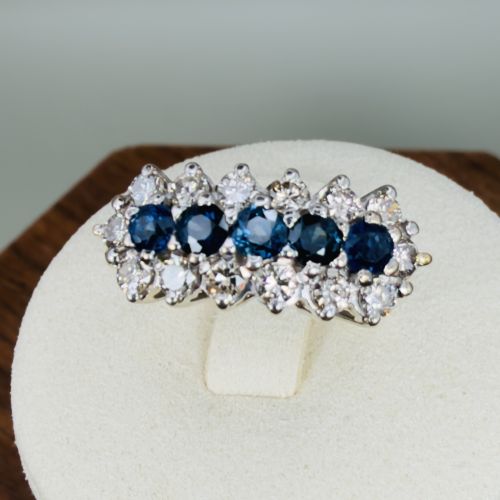
Craftsmen shaped diamonds into old cuts, rose cuts, baguette cuts, and brilliant cuts before arranging them alongside coloured gemstones such as natural opals, rubies, and sapphires. Settings incorporate detailed scrollwork and precise bezel or claw techniques to hold each gem firmly in place.
Materials span 18ct yellow gold, white gold, platinum, and 14ct gold configured into rings, dress rings, and heavy bangles.
Distinguishing quality in cluster bands
The standard of craftsmanship shows in the precision of stone setting and the symmetry of the cluster arrangement. Superior examples demonstrate careful matching of gemstone sizes and colours within the design.
Metal weight and structural integrity differentiate sturdier pieces, such as heavier gold bangles and cocktail rings, from lighter mounts. The clarity and cut of the central and surrounding diamonds further establish the grade of each individual piece.
The Diamond Cluster Band Glossary
- Boat ring
- A ring featuring an elongated, curved setting reminiscent of a boat hull, often set with multiple gemstones and diamonds.
- Cluster ring
- A ring design where a central stone is surrounded by a ring of smaller stones.
- Old cut
- A traditional diamond cutting style characterised by a high crown, small table, and deep pavilion, common in antique jewellery.
- Rose-cut
- A vintage diamond cut featuring a flat base and a domed crown covered in triangular facets resembling an unopened rose bud.
- Trilogy
- A ring featuring three distinct stones set in a row, often symbolising the past, present, and future.
Diamond Cluster Band: Frequently Asked Questions
What is a diamond cluster band?
A diamond cluster band is a ring or bangle that groups multiple diamonds and coloured gemstones together in a concentrated formation. These pieces range from antique Edwardian floral motifs to mid-century geometric arrangements.
Designs often feature a central diamond or coloured gem framed by smaller stones. They provide substantial coverage on the finger or wrist while utilising varied cuts of gold and platinum.
How do I date an antique cluster ring?
Dating relies on examining the metal types, stone cuts, and overall manufacturing style visible in the piece. Edwardian and Victorian examples frequently feature rose cuts or old cuts set in yellow gold.
Later mid-century and Art Deco pieces often incorporate white gold, platinum, and brilliant cut stones. Hallmarks stamped inside the band can also provide specific assay office and year markers.
What metals were used in these bands?
Maker workshops predominantly utilised 18ct yellow gold, 14ct gold, and platinum across the Victorian, Edwardian, and mid-century periods. White gold also appears in selections from the mid-twentieth century.
Choice of metal often aligns with the period style, where platinum and white gold gained favour for creating bright, reflective mountings around diamonds.
How do I care for antique cluster jewellery?
Proper maintenance involves gentle cleaning with soft cloths and avoiding harsh chemical dips, especially when softer gemstones like opal, turquoise, or pearl are present. Regular checks by a jeweller ensure that claws holding the cluster stones remain secure.
Storing pieces individually prevents scratching between harder diamonds and more delicate coloured gems within the cluster setting.