


Desktop Picture Stand
A desktop picture stand holds memories on a desk, bringing character and practical display to any study or writing surface.
Desktop Picture Stand
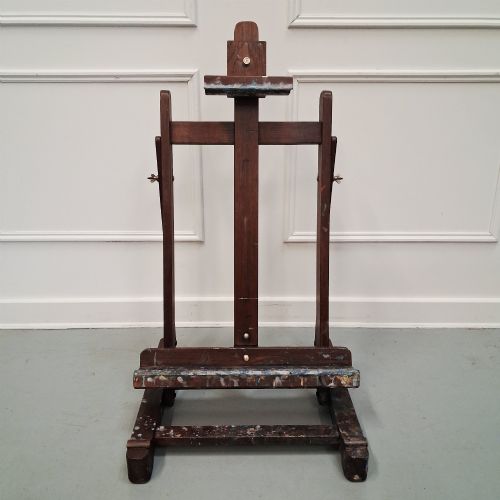
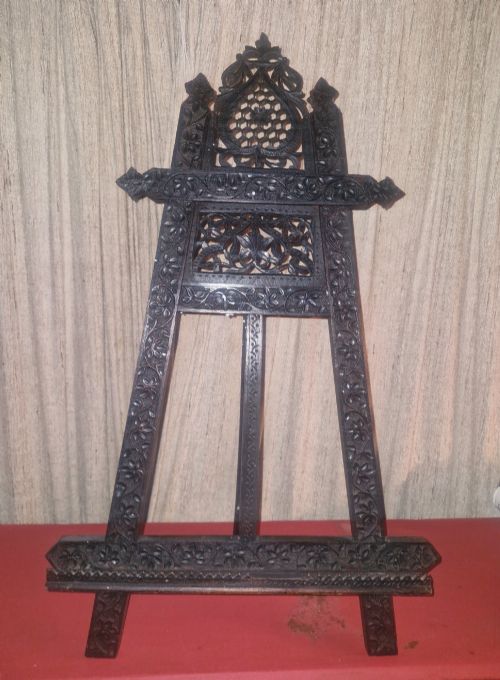
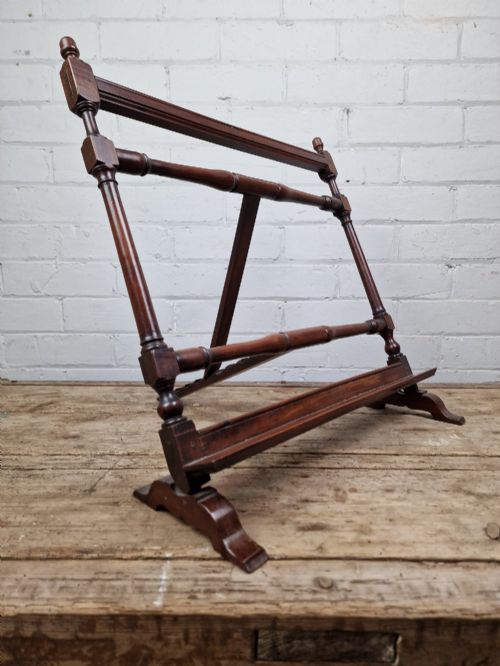
A desktop picture stand takes many forms across the eras, ranging from tabletop easels to hinged frames and table mirrors designed to hold portraits upright. These items appear in materials such as oak, mahogany, rosewood, and tortoiseshell, with periods stretching from the Victorian era through the 1930s and 1950s.
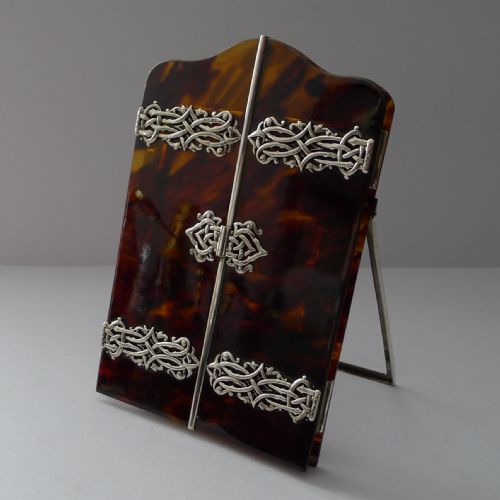
Buyers meet variations influenced by design movements like Art Deco, Art Nouveau, and Louis XVI Revival. The selection includes simple oak folding structures alongside ornate silver-mounted and ormolu pieces made for prominent display.
How they were made
Makers utilised timber such as oak, mahogany, and hardwood for structural frames and tabletop easels, often applying detailed carving or turning. Metal components, including brass, ormolu, chrome, and sterling silver, provide the structural supports, mounts, and backing hinges.
Glass protects the photographs and mirrors housed within these stands, while specialised materials like tortoiseshell overlay wooden backings. Construction techniques involve precise joinery for folding easel backs and secure bezel settings for glazed panels.
Current listings span the Victorian period through the 1950s, incorporating woods like oak and mahogany alongside sterling silver and glass.
What varies in quality
The distinction between standard examples and finer pieces lies in the choice of materials and the depth of craftsmanship. Solid hardwoods and precious metals like sterling silver or ormolu elevate an object above simpler veneered or base metal alternatives.
Execution of decorative elements defines the upper tier of the range. Crisp hand-carving on wood and well-cast metal mounts demonstrate a higher level of workshop skill than repetitive or mechanical finishing.
Pinci Roma
The Desktop Picture Stand Glossary
- Tabletop easel
- A miniature stand resembling an artist easel designed to support a framed picture or mirror on a flat surface. These folding supports allow a photograph to be angled for optimal viewing.
- Ormolu
- Gilded bronze used widely for decorative mounts and frames during the nineteenth century. This technique provides a rich metallic surface that resists tarnishing.
- Tortoiseshell
- The mottled brown and amber shell of certain turtle species applied as a veneer to wooden frames. It is frequently accented with sterling silver mounts in Victorian pieces.
- Sterling silver
- A silver alloy containing ninety-two point five percent pure silver by mass, used for high-status photograph frames. Hallmarks stamped into the metal often indicate the assay office and date of manufacture.
Desktop Picture Stand: Frequently Asked Questions
What is a desktop picture stand?
A desktop picture stand is a portable decorative device designed to display photographs, small mirrors, or artworks upright on a flat surface.
These pieces use folding backs, built-in ledges, or easel legs to hold items at a comfortable viewing angle for desks and mantelpieces.
How do I date a picture stand?
Dating relies on identifying the prevailing materials, decorative styles, and any structural hallmarks present on the metal or wood.
Victorian pieces often feature ornate silver mounts or tortoiseshell, while 1930s examples lean towards chrome, glass, and streamlined Art Deco geometry.
Were these stands used for mirrors?
Certain tabletop frames double as small dressing mirrors rather than purely holding photographs.
These mirror stands share identical easel supports and decorative frames to their photographic counterparts, serving a functional role on nineteenth-century dressing tables.
How do I care for silver-mounted frames?
Silver and ormolu components require gentle dusting with a soft cloth to maintain their finish without abrasive cleaning agents.
Wooden and tortoiseshell surfaces benefit from being kept away from direct sunlight and excessive humidity to prevent warping or cracking.