




Decorative Wooden Shelving
Decorative wooden shelving brings warmth and practical display to a room, offering everything from modest oak wall brackets to elaborate gilded overmantel mirrors.
Decorative Wooden Shelving
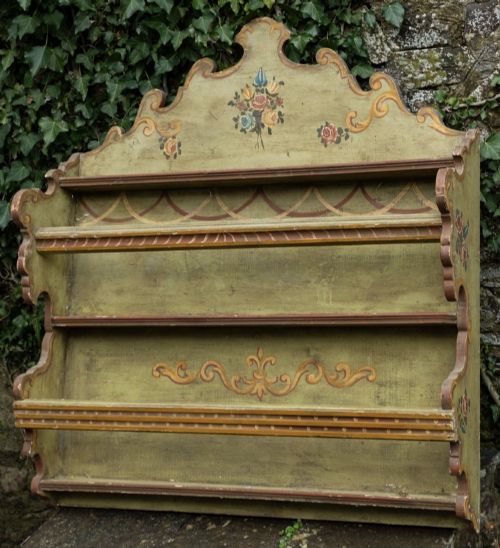
When you search for decorative wooden shelving, you encounter a diverse selection of wall-hanging and freestanding pieces designed to hold books, plates, and ornaments. The inventory ranges from small 19th-century carved wood wall brackets and Edwardian hand-painted wall shelves to substantial bookcases and Victorian whatnots.
You are most likely to meet wall brackets and hanging shelves dating from around 1900, alongside period examples spanning the 17th century through the Edwardian era. These pieces utilise various forms including etageres, open bookcases, and plate racks to transform plain walls into functional display spaces.
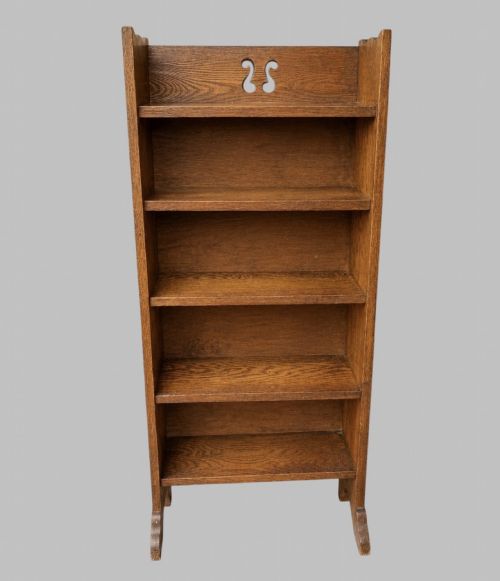
The objects reflect distinct historical styles such as Victorian, Arts and Crafts, Baroque Revival, and Rococo. Whether rendered in unpretentious oak or ornate giltwood, they serve both a utilitarian storage function and a purely decorative architectural role in the interior.
How they were made
Makers constructed these pieces using solid timbers like oak, mahogany, and burr walnut, often shaping the wood through hand carving or intricate cut-out techniques. Structural elements range from simple joined boards to elaborate pierced supports designed to bear weight while presenting decorative motifs.
Many surfaces received decorative treatments including hand painting, gesso application, and gold leaf gilding. Giltwood and gilded carved wall brackets employ layers of gesso and gold leaf over a wooden base to achieve a brilliant metallic sheen.
Glass panels and mirrored sections occasionally integrate into the wooden framework, particularly in Victorian wall display shelves and overmantel mirrors. These mixed materials require careful joinery to secure the glass within the carved wooden surrounds.
Cherub wall brackets from 1900 watch your books with winged persistence.
What varies in quality
The distinction between ordinary and exceptional examples lies in the depth and crispness of the carving. Hand-carved details on 17th-century oak or Baroque-style brackets show purposeful chisel work and fluid lines, whereas lesser pieces display flat, mechanical moulding.
Material selection and surface finish dictate the overall calibre of a piece. High-grade items utilise finely figured timbers like burr walnut or genuine gold leaf over gesso, while lower tiers rely on simpler painted woods or simpler finishes.
The integrity of the construction and the harmony of the design separate utilitarian shelving from high-status decorative furniture. Balanced proportions in etageres, bookcases, and wall brackets indicate a maker who considered both visual weight and physical support.
The Decorative Wooden Shelving Glossary
- Gesso
- A plaster-like mixture applied to wood as a base for paint or gold leaf gilding. It provides a smooth surface for intricate decorative relief work.
- Giltwood
- Wood that has been coated with gold leaf or gold paint. This technique creates a luxurious reflective finish seen frequently on revival wall brackets.
- Etagere
- A piece of furniture consisting of a set of open shelves for displaying small objects. These tiered structures combine utility with ornamental display.
- Overmantel mirror
- A large mirror designed to hang above a fireplace mantelpiece. Some period examples incorporate integrated wooden brackets for shelving.
- Burr walnut
- A veneer or timber taken from the warted growths of a walnut tree, prized for its swirling, highly decorative grain patterns.
Decorative Wooden Shelving: Frequently Asked Questions
What is decorative wooden shelving?
Decorative wooden shelving encompasses a variety of wall-mounted and freestanding wooden pieces designed to hold books, display plates, and ornament small objects.
Items range from carved oak wall shelves and brackets to larger bookcases, etageres, and overmantel mirrors spanning several centuries.
How were these shelves used historically?
Historically, these pieces served both practical storage needs and decorative display purposes within domestic interiors.
Smaller wall brackets held figurines or candles, while bookcases and whatnots organised libraries and valuable collections in reception rooms.
How do I care for antique wooden shelving?
Care depends primarily on the surface finish, whether it is bare carved oak, painted wood, or delicate gold leaf gilding.
Regular dusting with a dry, soft cloth preserves the timber and finish without introducing moisture or harsh chemical polishes that damage old surfaces.
How can I tell different styles apart?
Styles are identified by their characteristic ornamentation, structural forms, and the era in which they were produced.
For instance, Arts and Crafts pieces feature clean lines and decorative cut-outs, whereas Baroque Revival and Rococo items display exuberant, curved carved motifs and gilt surfaces.