


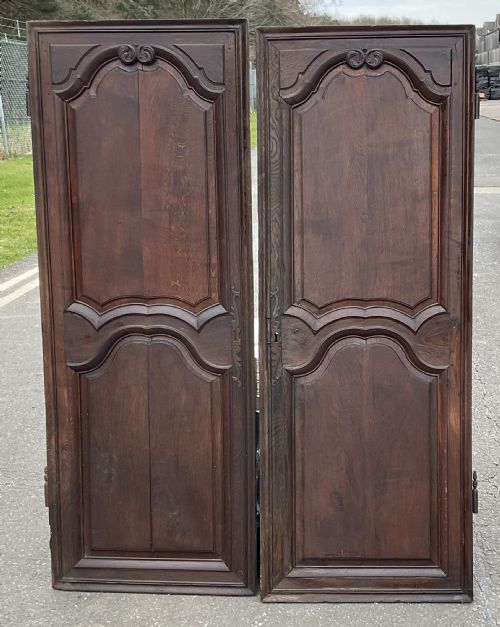


Decorative Wooden Cabinet
A decorative wooden cabinet brings warmth and utility to any room, offering crafted storage shaped by centuries of stylistic evolution.
Decorative Wooden Cabinet
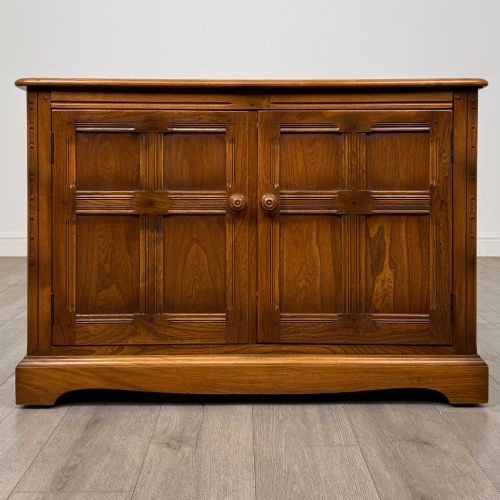
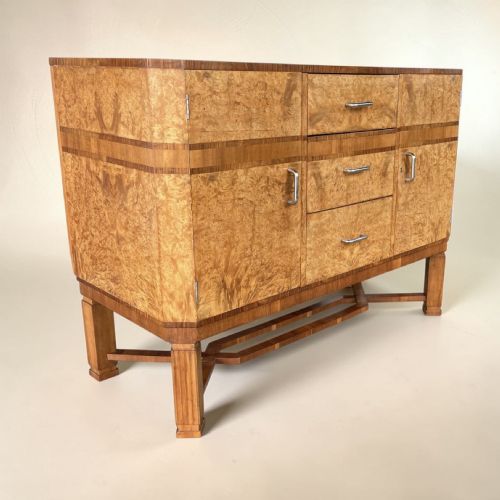
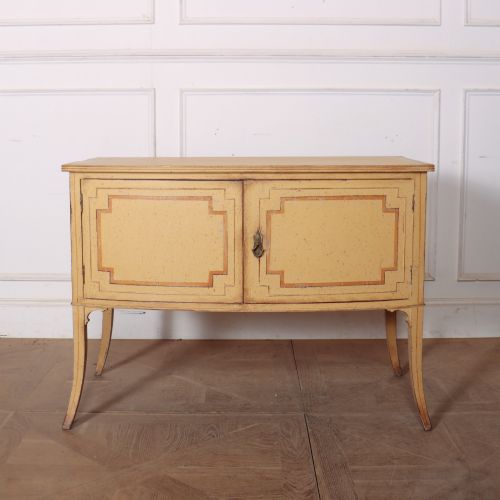
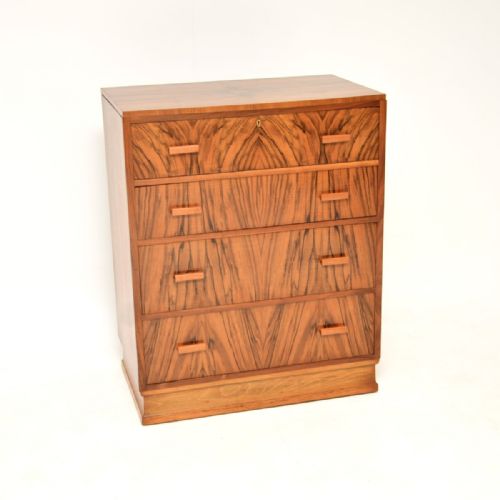
A decorative wooden cabinet encompasses everything from sideboards and side cabinets to music cabinets and painted buffets spanning the eighteenth, nineteenth, and early twentieth centuries. Buyers seeking these items will encounter diverse regional forms, including French painted pieces, English country house sideboards, and inlaid walnut chests.
Origins stretch across Britain, France, Italy, Spain, and Korea, demonstrating how different workshops approached domestic storage. These cabinets served varied daily functions, acting as display surfaces, linen stores, or specialised repositories for cutlery and sheet music.
How they were made
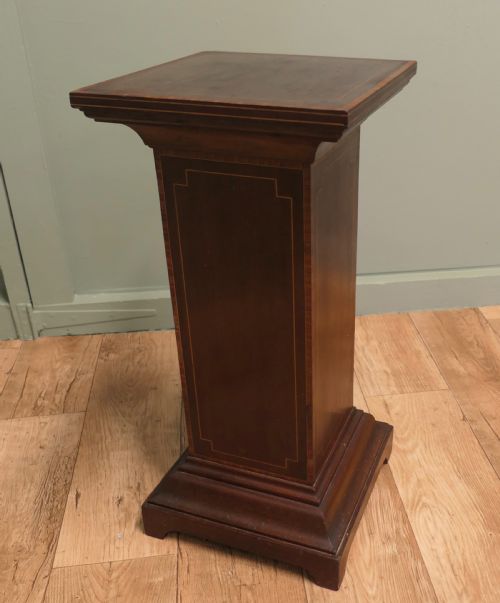
Cabinet makers utilised solid and veneered timbers such as mahogany, oak, walnut, burr walnut, amboyna, and thuya wood, often selecting specific cuts to accentuate natural grain patterns. Inlay work introduced contrasting woods and decorative motifs across drawer fronts and doors.
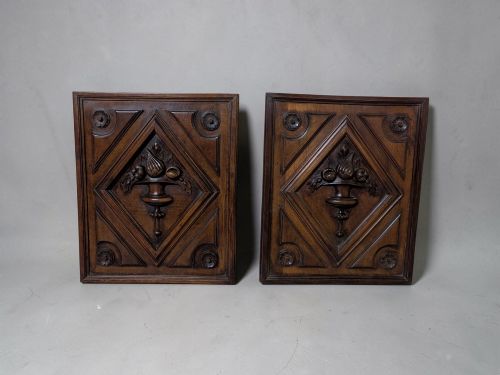
Surface ornamentation relied on hand-painting, faux finishes like tortoiseshell, and intricate carved panels of oak and ebony. Brass hardware provided structural accents and functional handles for doors and drawers.
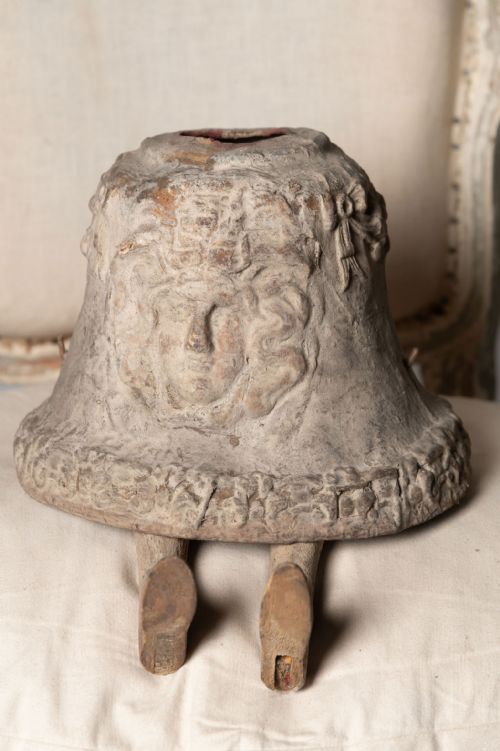
Several pieces embrace the dramatic, featuring grotesque French motifs, faux tortoiseshell surfaces, and Pre-Raphaelite painted panels.
What varies in quality
Quality rests in the precision of the timber selection and the fidelity of the joinery, distinguishing straightforward utilitarian storage from exhibition pieces. Superior examples display carefully matched veneers, balanced wood inlay, and tight joints that withstand decades of use.
The execution of surface decoration marks another distinction, separating standard painted finishes from sophisticated hand-painted artistry or deep relief carving. Finer cabinets integrate structural utility with sculptural presence, where handles, hinges, and internal fittings match the ambition of the exterior design.
GM Elwood for JS Henry·Gordovil Spain·Melissa White
The Decorative Wooden Cabinet Glossary
- Inlay
- A technique where pieces of contrasting wood or other materials are inserted into depressions in the base timber to form decorative patterns. This method enhances flat surfaces on cabinet doors and drawer fronts.
- Buffet
- A sideboard or low cabinet traditionally used for storing and serving food or displaying tableware. These pieces often feature two distinct sections or tiers for additional storage capacity.
- Purdonium
- A specialised Victorian or Edwardian fireside cabinet designed to hold coal. These containers usually include a hinged sloping front and a small interior shovel.
- Canterbury
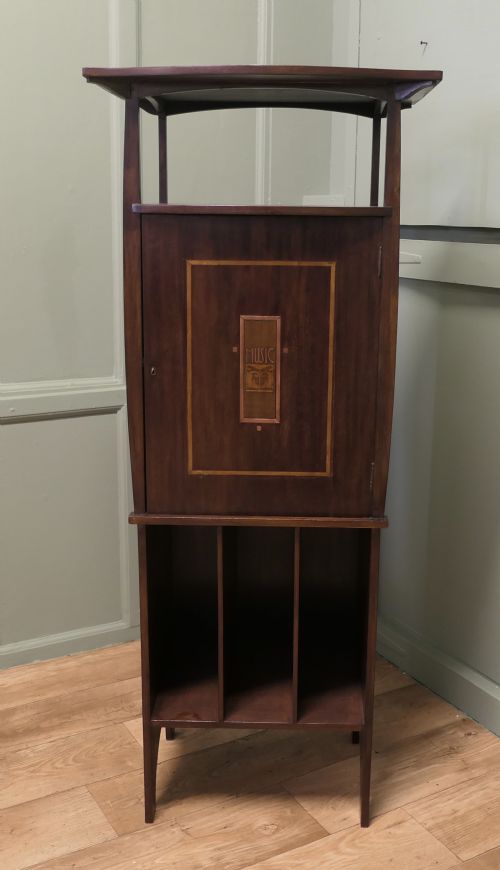
- A low multi-partitioned stand or cabinet originally designed for holding sheet music, folios, or books. Nineteenth-century examples often incorporate enclosed lower cupboards alongside open vertical sections.
Decorative Wooden Cabinet: Frequently Asked Questions
How do I date an antique cabinet?
Dating relies on examining the timber species, construction methods, hardware, and stylistic traits associated with specific eras like the Georgian or Edwardian periods. Regional building techniques and decorative motifs also offer clues to origin and age.
Comparing construction details against documented pieces helps establish a reliable timeline for when the cabinet was made.
Where were these cabinets used?
These cabinets served multiple roles throughout the home, from dining rooms and music parlours to hallways and fireside settings. Specialised forms catered to specific domestic needs like storing sheet music or coal.
Their decorative nature ensured they were placed in prominent public rooms rather than purely utilitarian spaces.
How do I care for antique wood?
Antique wooden surfaces require stable environmental conditions away from direct sunlight and extreme temperature fluctuations to prevent timber movement. Regular dusting with a soft cloth maintains the finish without introducing harsh chemicals.
Occasional applications of appropriate wax nourish the wood and preserve the natural lustre of vintage polishes.