



Decorative Table Bell
A decorative table bell brings a sharp, resonant note and period character to a room, offering both practical charm and distinct historical craft.
Decorative Table Bell
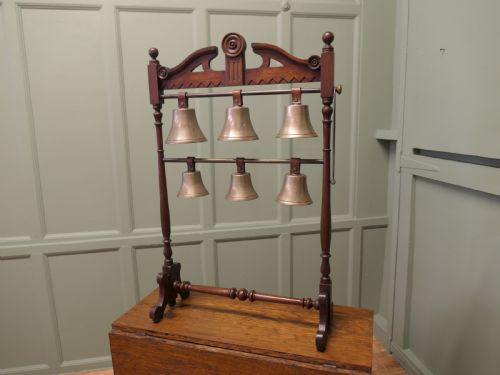
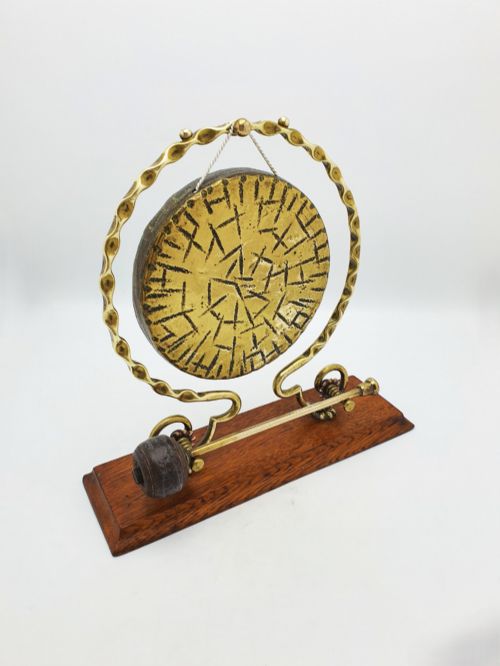
When searching for a decorative table bell, collectors encounter a diverse array of forms designed for signaling or display across several centuries. The selection spans compact desk bells, pairs of handheld bells, and substantial dinner gongs mounted on timber stands.
Most examples found here date from the Victorian era and the early twentieth century, though some pieces stretch back to the eighteenth century. Materials range from brass and silver plate to ruby glass, oak, and walnut, reflecting both utility and parlor ornament.
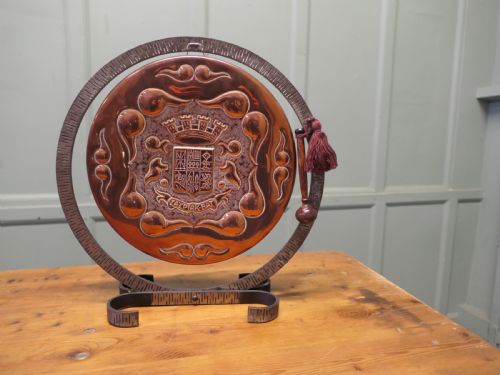
Regional styles introduce further variety, encompassing Basque folk art copperwork, French Directoire design, and Anglo-Indian bronze motifs. Buyers are most likely to meet brass and glass table bells alongside framed gongs featuring wooden bases.
How they were made
The construction of these pieces relies heavily on metal casting, hand hammering, and glassblowing techniques. Brass, bronze, and silver plate provide the resonant body for bells and gongs, often shaped through traditional foundry methods.
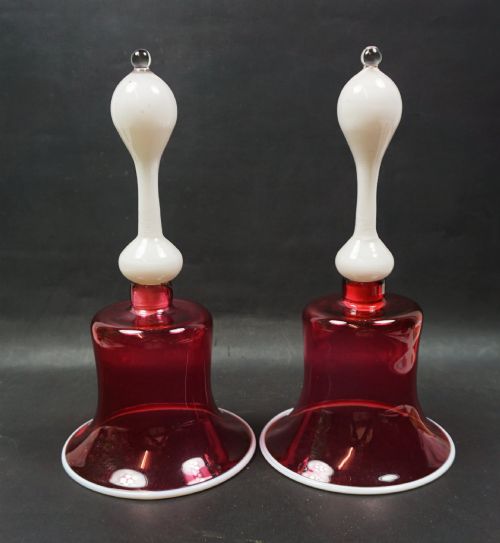
Wooden elements utilise oak, walnut, and carved mango wood to form sturdy bases and hanging frames that support suspended chimes. Glass pieces combine moulded ruby or cranberry bodies with contrasting white glass handles and applied gilding.
Decorative Table Bell Retail Price Guide 2026
Typical asking prices for decorative table bell among the pieces listed under this phrase on Sellingantiques today, from the lower quarter to the upper quarter. They describe what is for sale here now, not the wider market.
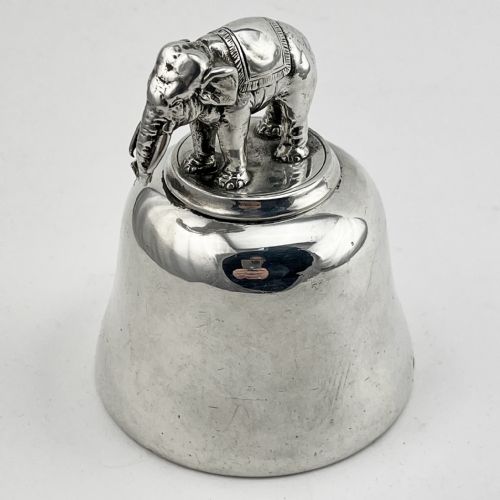
Elephants at the base of a bronze bell ensure it sounds with a distinctly worldly resonance.
What varies in quality
Quality rests primarily on the clarity and resonance of the tone produced by the metal, alongside the purity of glass colouring. Heavier metal content and precise hand hammering yield a purer, longer-lasting sound when struck.
The sophistication of the mounting framework distinguishes standard utilitarian items from finer decorative pieces. Well-turned wooden bases, intricate cast iron or brass detailing, and undamaged applied enamel elevate the overall execution.
The Decorative Table Bell Glossary
- Dinner gong
- A suspended metal disc or bell struck with a mallet to summon guests to a meal. They often hang from carved oak or walnut frames.
- Table bell
- A freestanding handheld or desk-mounted bell used historically for summoning servants or service. They appear in sterling silver, brass, and coloured glass.
- Ruby glass
- A deep red decorative glass created by adding gold chloride to the molten batch. It is frequently seen in Victorian hand bells.
- Silver plate
- A layer of silver fused to a base metal core such as copper or brass. This technique offered the appearance of solid silver at a lower cost.
- Directoire style
- A transitional French design period preceding the Empire style, characterised by neoclassical restraint and clean geometric lines.
Decorative Table Bell: Frequently Asked Questions
How were table bells used?
Table bells and small gongs served primarily as domestic signals to summon household staff from another room. In dining rooms, larger gongs announced the arrival of meals.
Over time, many of these functional objects transitioned into purely decorative mantle or desk accessories, valued for their acoustic and visual qualities.
What metals are most common?
Brass is the predominant metal found in these pieces, valued for its bright tone and durability in casting. Silver plate and sterling silver also appear frequently in formal domestic settings.
Bronze, copper, and cast iron are utilised in specific regional or folk art examples, such as Basque copperwork or Anglo-Indian gongs.
How do I date a table bell?
Dating relies on observing manufacturing marks, stylistic cues such as Art Nouveau curves or Victorian ornamentation, and the choice of materials. Glass coloration techniques and the specific construction of strikers and frames also provide clues to the period.
Comparing the piece against documented examples from the nineteenth and early twentieth centuries helps narrow down its decade of origin.