



Decorative Snuff Container
A decorative snuff container brings pocket-sized craftsmanship to your table, offering miniature art and history in brass, silver, enamel, glass, or walnut.
Decorative Snuff Container
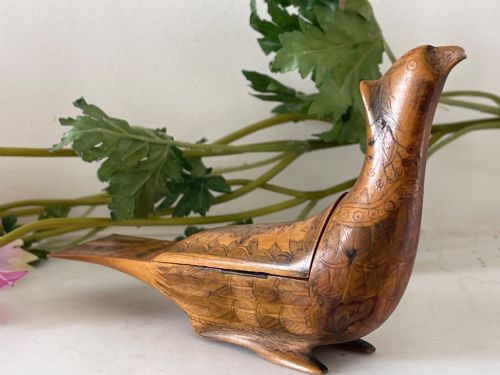
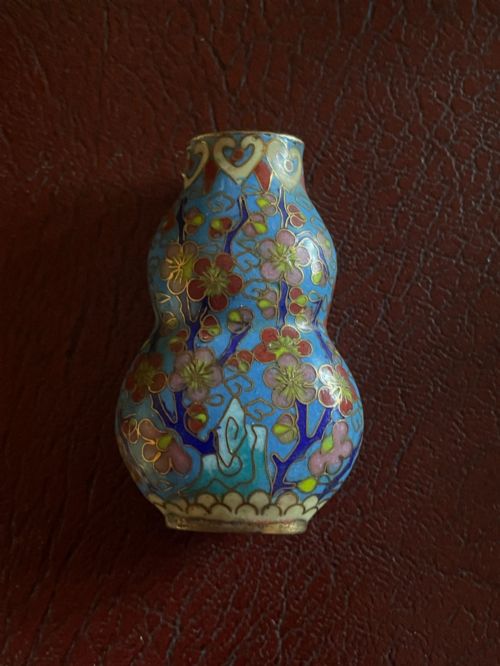
A decorative snuff container spans an array of miniature forms designed for tobacco or personal trinkets, appearing most frequently as boxes, bottles, and small vases. The pieces on this page draw from the eighteenth, nineteenth, and early twentieth centuries, representing Georgian, Victorian, and continental European traditions.
You will encounter pocket-sized snuff boxes alongside larger table boxes, Chinese export miniatures, and Venetian glass bottles. Each object reflects the historical habit of carrying or storing powdered tobacco and small keepsakes in ornamented vessels.
The materials range widely across these examples, combining metals like solid silver and brass with delicate enamel, carved hardwood, and blown glass. These containers serve equally well today as desk ornaments or repositories for small valuables.
Materials and construction
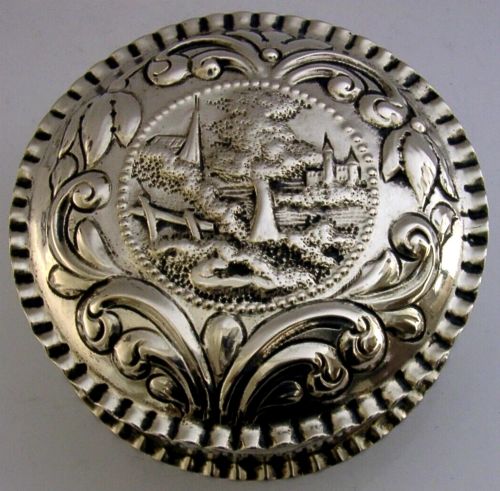
Makers fashioned these containers using traditional metalworking, glassblowing, and woodworking techniques suited to miniature scale. Solid silver and brass often form the structural bodies of castle top boxes and tobacco containers, sometimes enhanced by chased or cast relief decoration.
Decorative Snuff Container Retail Price Guide 2026
Typical asking prices for decorative snuff container among the pieces listed under this phrase on Sellingantiques today, from the lower quarter to the upper quarter. They describe what is for sale here now, not the wider market.
Current listings demonstrate a broad material range including solid silver, brass, copper, enamel, porcelain, blown glass, aventurine glass, and walnut.
Assessing quality and execution
Quality in these containers rests upon the crispness of the chasing, the precision of the joinery, and the delicacy of any surface painting. Superior examples show careful hand-carving in wood or meticulous enamelling that remains intact across complex miniature surfaces.
The weight of the metal, particularly in solid silver table boxes, distinguishes sturdier workshop output from lighter commercial pieces. Furthermore, the depth of the patina on hardwoods and the clarity of aventurine inclusions within glass signal superior original materials.
The Decorative Snuff Container Glossary
- Castle top box
- A metal box featuring a detailed architectural relief of a famous building or landmark on the hinged lid. These pieces were popular souvenirs during the Victorian era.
- Patch box
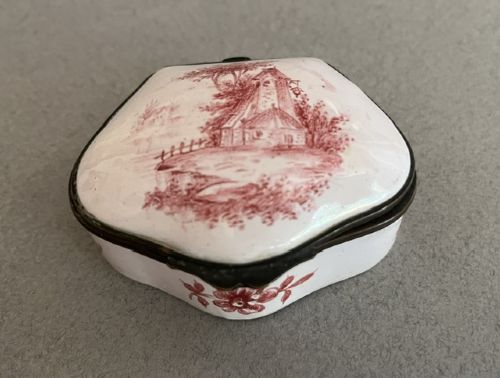
- A small, hinged container originally used to hold cosmetic fabric patches for the face. Georgian examples frequently paired copper bodies with hand-painted enamel lids.
- Aventurine glass
- Glass containing suspended reflective copper or mineral crystals that create a glittering effect. Venetian workshops utilised this technique for decorative bottles.
- Tole ware
- Enamelled or japanned metalware painted with decorative designs. This finish provided a durable and colourful surface for tobacco and trinket boxes.
- Cloisonne
- A decorative metalwork technique where compartments are created using soldered wire and filled with enamel paste. Chinese export pieces often employed this method.
Decorative Snuff Container: Frequently Asked Questions
What is a decorative snuff container?
A decorative snuff container is a small historical vessel created to hold powdered tobacco or personal trinkets. These objects range from pocket-sized silver and enamel boxes to carved hardwood table pieces.
Craftsmen produced them in various materials including brass, glass, and porcelain to combine practical storage with miniature art.
How were antique snuff boxes used?
Historical users carried pocket boxes for daily tobacco consumption or kept larger versions on tables for guests. They also served to store small personal items such as cosmetic patches or coins.
The hinged lids allowed for quick access while keeping the contents secure during travel.
How do I care for antique boxes?
Living with these pieces involves placing them away from direct sunlight and excessive moisture to protect delicate enamels and wood patinas. Gentle dusting with a soft, dry cloth preserves the surface without causing abrasion.
Metal components benefit from minimal intervention to maintain their historical character rather than aggressive polishing.
How can I tell the period?
Dating relies on stylistic clues, manufacturing techniques, and material choices characteristic of specific eras like the Georgian or Victorian periods. Enamel work and specific metal hallmarks often point to a precise decade of manufacture.
Comparing the form and decorative motifs to documented examples helps establish the likely origin.