



Decorative Porcelain Pots
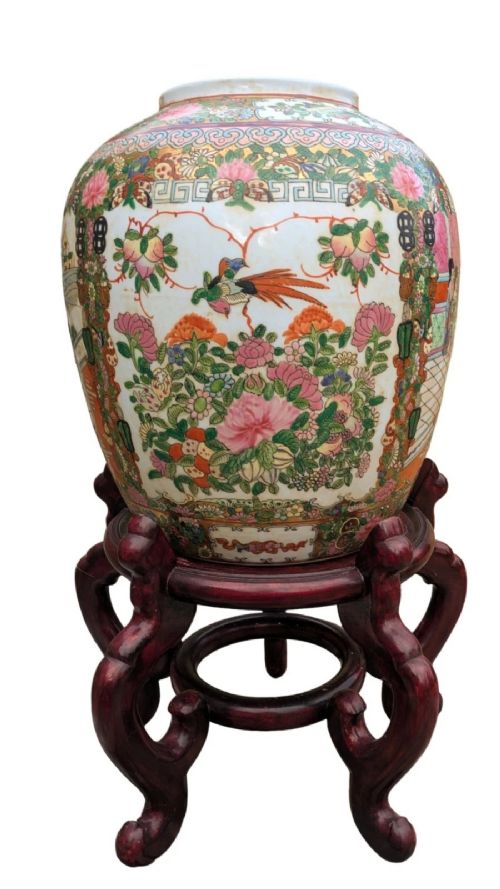
These decorative porcelain pots bring colourful hand-painted botanical and oriental scenes to interior displays.
Decorative Porcelain Pots
Decorative porcelain pots encompass covered jars, jardinieres, and vases designed to hold pot pourri or plants. Buyers seeking these items will find pieces ranging from Georgian English porcelain to mid-twentieth-century productions.
Vessels span various periods including Victorian, Edwardian, and mid-century decades. Each piece serves primarily as an ornamental object rather than utilitarian ware.
How they were made
Potters shaped ceramic bodies from fine porcelain, earthenware, and ironstone before applying glazes and enamel colours. Many pieces incorporate gilding, gold leaf, or silver plate mounts to accent the ceramic body.
Decoration often involved intricate hand painting by named artists who rendered fruit, figures, and botanical studies. Some vessels combine pottery with wicker cases, brass bases, or gilt bronze mounts.
Decorative Porcelain Pots Retail Price Guide 2026
Typical asking prices for decorative porcelain pots among the pieces listed under this phrase on Sellingantiques today, from the lower quarter to the upper quarter. They describe what is for sale here now, not the wider market.
One cheerful Victorian decorative pot houses a ceramic cherub peering out from inside the vessel.
What varies in quality
Quality rests upon the fineness of the potting and the skill of the hand-painted decoration. Factory attribution to notable makers elevates the standing of individual pots.
The presence of artist signatures and the complexity of gilt bronze or silver plate mounts distinguish finer examples. Preservation of delicate painted surfaces and original covers determines the desirability of each piece.
Barr Flight And Barr·Royal Worcester·Minton·Masons Ironstone·Kinkozan·Spode·Royal Winton·Coalport·Samuel Alcock
The Decorative Porcelain Pots Glossary
- Jardiniere
- A decorative ceramic pot or stand designed to hold a plant or floral arrangement. These vessels frequently feature hand-painted scenes or blush ivory glazes.
- Pot Pourri
- A lidded vase or jar pierced to allow the scent of dried flowers and spices to diffuse into a room. These containers often rest on pedestals or incorporate inner lids.
- Imari
- A style of ceramic decoration originating in Japan featuring rich blue, iron red, and gilt ornamentation. English factories subsequently adopted these distinctive colour palettes.
- Blush Ivory
- A soft cream-coloured porcelain ground developed by Royal Worcester with tinted pastel floral decoration. This finish characterises many late Victorian and Edwardian pieces.
- Famille Rose
- A palette of Chinese porcelain decoration dominated by opaque pink enamel colours. Pieces showing this style often date to the nineteenth century.
Decorative Porcelain Pots: Frequently Asked Questions
What is a jardiniere?
A jardiniere is an ornamental pot designed specifically to hold plants or flowers rather than cut stems in water. They often sit on tabletops or floor pedestals to display indoor foliage.
These pots appear in ceramic bodies decorated with hand-painted motifs or glazed in solid tones. Many feature moulded handles or decorative brass and silver plate mounts.
How do you use pot pourri vases?
Pot pourri vases contain pierced lids or inner covers designed to release fragrance from dried botanical mixtures placed inside. The vessel confines the blend while allowing scent to permeate the room.
Collectors display these lidded jars on mantelpieces or cabinets where the painted exterior complements the interior scheme. Keeping the original cover intact remains important for complete presentation.
Are these pots waterproof?
Most antique porcelain and ceramic pots are glazed on the interior, but tiny hairline fissures can develop in older bodies over decades. Using a small inner container prevents moisture from contacting aged ceramic fabric.
Displaying plants directly inside historic jardinieres risks water damage to the glaze and body. Modern liners protect the antique material while allowing functional use.
How do I identify maker marks?
Potters stamped, painted, or impressed factory ciphers onto the unglazed base of the porcelain body. These symbols indicate the producing factory and often provide clues to the approximate date of manufacture.
Artist signatures also appear alongside factory marks on finely painted vessels. Reference guides help match specific ciphers to historical ceramic works.