




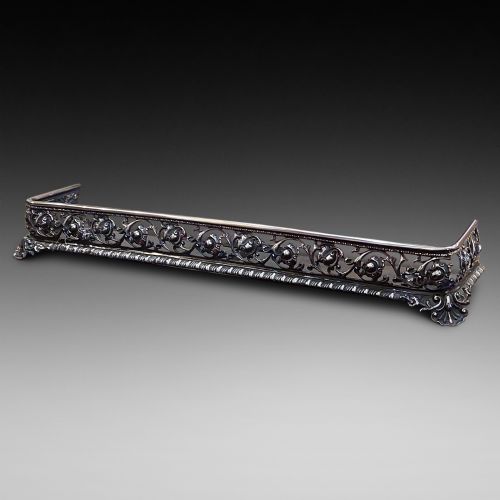
Decorative Metal Fender
A decorative metal fender frames the hearth with structure and shine, keeping stray embers in check while anchoring the fireplace room.
Decorative Metal Fender
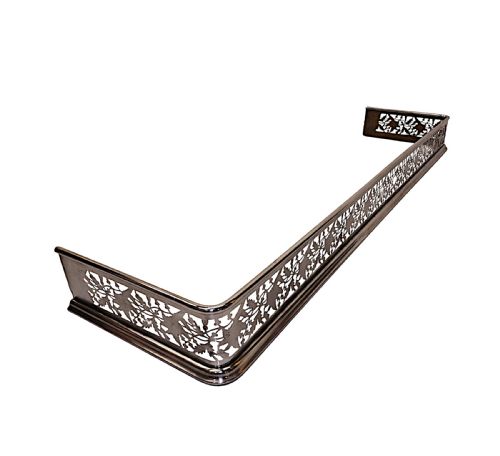
A decorative metal fender is a hearth accessory designed to contain ashes and protect flooring while framing the fireplace opening. The examples seen on this page span the Victorian, Edwardian, and Georgian periods, showcasing forms from simple kerbs to elaborate serpentine fronts.
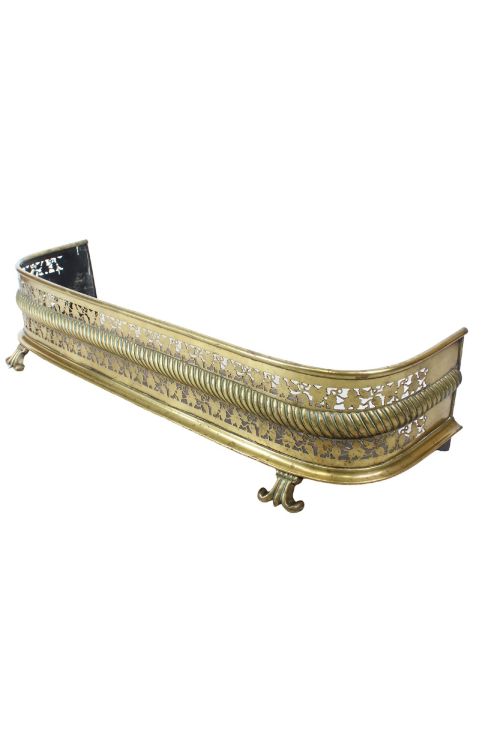
Most pieces encountered here belong to the Victorian era, often featuring pierced brass or mixed steel and iron construction. Alongside standard kerbs, the selection includes club fenders with leather seats and gate-fronted brass fire guards.
Makers and craftsmen utilised varied metals to suit formal drawing rooms and everyday parlours alike. These items function as both practical hearth barriers and distinct period decorative objects.
How they were made
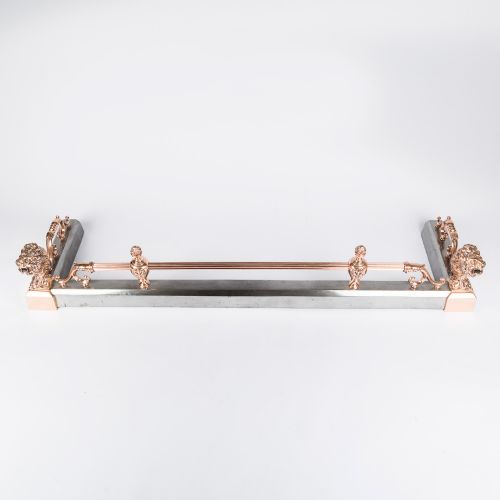
Makers shaped these items using brass, steel, wrought iron, and cast iron, often combining multiple metals in a single piece such as steel frames with copper or brass details. Pierced sheet metal work required careful hand-punching to create intricate fretwork patterns along the front gallery.
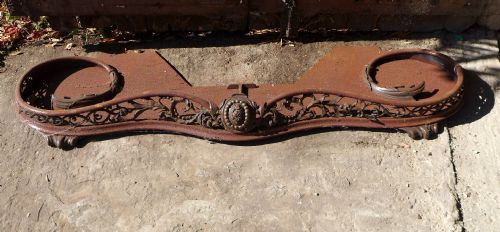
Wrought and cast iron components provided sturdy structural foundations for the decorative outer shells. Some club fenders incorporated integrated leather upholstery across low corner seats, combining metalwork with traditional saddle-making techniques.
Decorative Metal Fender Retail Price Guide 2026
Typical asking prices for decorative metal fender among the pieces listed under this phrase on Sellingantiques today, from the lower quarter to the upper quarter. They describe what is for sale here now, not the wider market.
Some Victorian brass fenders feature intricate pierced galleries designed primarily to catch stray sparks while looking remarkably like shiny jewellery for the hearth.
What varies in quality
Quality rests in the precision of the metal pierces, the weight of the foundational iron or steel, and the integrity of mixed-metal assemblies. Fenders with finely cut serpentine fronts or crisp fretwork display a higher standard of workshop execution than plain folded sheet designs.
The choice of materials also signals distinction, particularly where contrasting brass details meet blackened steel or where sturdy wrought iron forms are paired with quality leather on club versions. Fenders that retain their original structural rigidity and surface patination hold greater presence in a room.
The Decorative Metal Fender Glossary
- Fender
- A low metal guard placed around the hearth to contain coals and ash. These items define the boundary of the fireplace.
- Kerb
- An alternative term for the low frame surrounding a fireplace hearth. It often refers to simpler linear metal barriers.
- Serpentine front
- A curved design shape that undulates outward in the centre and inward at the sides. This contour appears on finer Georgian and Victorian examples.
- Club fender
- A low-seated hearth guard upholstered in leather on top. It allowed people to sit close to the fire.
- Pierced brass
- Sheet brass decorated with punched or cut-out patterns. This technique lightened the visual weight of the metal.
Decorative Metal Fender: Frequently Asked Questions
What is a decorative metal fender used for?
These pieces sit on the floor directly in front of the fireplace opening to catch rolling embers and protect rugs or wooden floorboards from heat and stray sparks.
Beyond basic safety, they frame the hearth visually, acting as a finished architectural border that ties the fireplace into the wider room scheme.
How do I clean an antique brass fender?
Dust the metal gently with a soft cloth to remove surface grit without disturbing the aged patina that accumulates over decades of use.
Avoid harsh chemical dips or abrasive metal polishes unless necessary, as these strip away the historical character and soft glow valued by collectors.
What is a club fender?
A club fender is a specific hearth guard built with low-slung padded seats upholstered in leather on either end or along the corners.
Originating in country houses and gentlemen's clubs, it provided a warm, close-up seating option directly beside the active fire.
How do I date a metal fender?
Dating relies on observing the prevailing manufacturing methods, metal combinations, and decorative styles visible across the piece, such as Georgian serpentine lines or Victorian pierced brass work.
Comparing construction joints, screw types, and overall weight against documented period examples helps narrow down the decade of origin.