





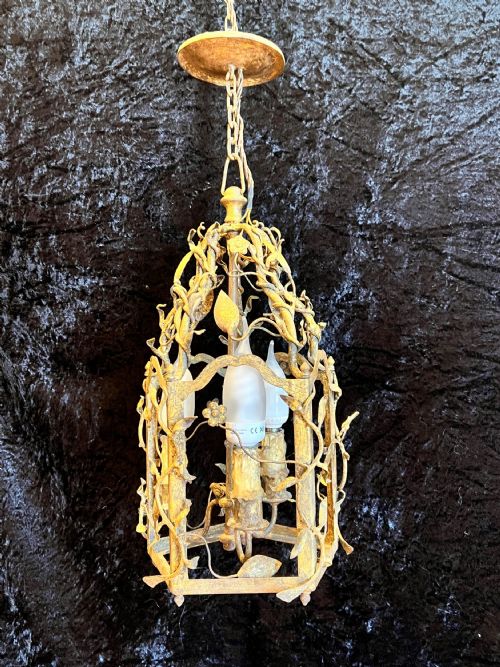

Decorative Metal Chandelier
A decorative metal chandelier brings enduring illumination and architectural presence to a room, ranging from robust cast iron to ornate gilt brass.
Decorative Metal Chandelier
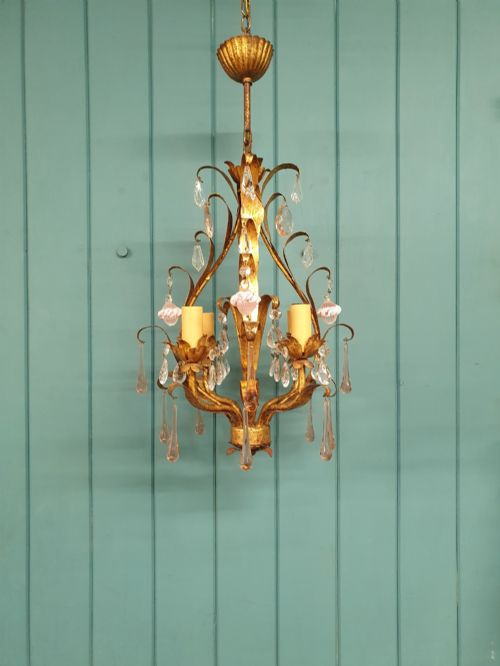
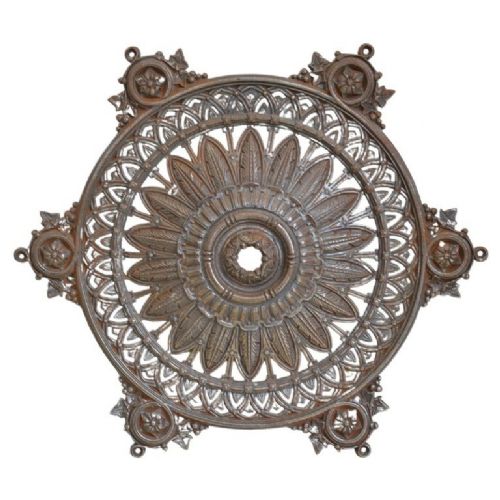
A decorative metal chandelier encompasses a varied selection of ceiling fixtures designed to anchor a room with both light and structural ornament. Buyers browsing this page encounter pieces ranging from substantial Victorian cast iron ceiling roses to elaborate French provincial lanterns and Italian Florentine multi-light fittings.
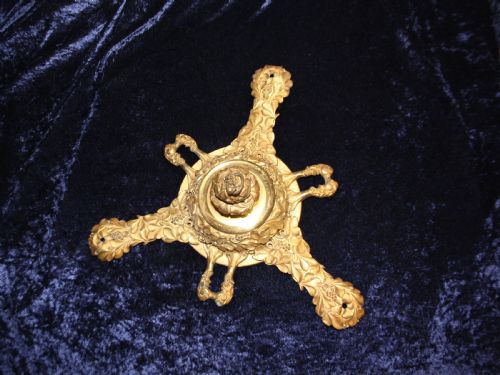
The objects listed span several distinct periods including the nineteenth century, the Victorian era, and the early decades of the twentieth century. Forms extend beyond traditional chandeliers to include ceiling lights, hanging lanterns, and architectural salvage elements in gilt brass, wrought iron, and painted metal.
Materials and construction methods
Makers utilised a combination of casting, forging, and gilding techniques to shape metals such as iron, brass, and bronze into intricate structural forms. Heavier components rely on cast iron or cast bronze, whilst lighter decorative elements often feature gilt metal, ormolu, and polished brass.
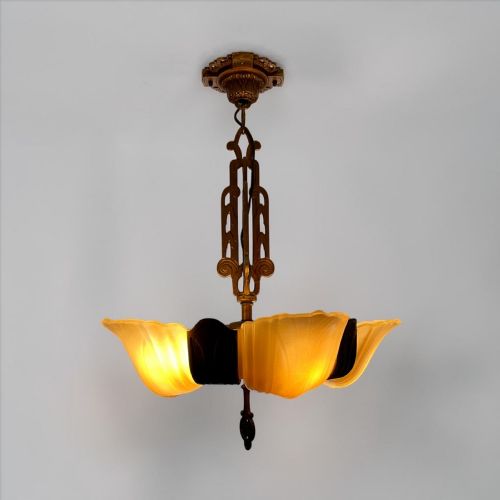
Glass integration is common amongst these fixtures, incorporating frosted glass panels, cut glass drops, and slip shades paired with metal frames. Surface finishes vary from silver gilt and polychrome to natural patinated wrought iron.
Decorative Metal Chandelier Retail Price Guide 2026
Typical asking prices for decorative metal chandelier among the pieces listed under this phrase on Sellingantiques today, from the lower quarter to the upper quarter. They describe what is for sale here now, not the wider market.
Some nineteenth-century ceilings secretly conceal heavy cast iron roses originally cast with stubborn ivy and feather motifs designed to outlast the plaster.
Distinctions in quality and execution
Quality in these metal fixtures rests upon the crispness of the casting and the refinement of the hand-finishing work. Superior examples demonstrate meticulous detail in ornamentation, such as botanical motifs on cast iron roses or precise architectural proportions on hexagonal lanterns.
The choice of base material and surface application further dictates the calibre of a piece. Heavier gauge metals, deep gilding, and well-executed polychrome or silver-gilt treatments elevate the visual weight and longevity of the fitting.
The Decorative Metal Chandelier Glossary
- Ormolu
- Gilded bronze, typically created by applying a mercury-gilt mixture to cast bronze. This technique was frequently utilised on French-style lanterns and fittings.
- Toleware
- Painted or lacquered sheet metal objects, often decorated with polychrome finishes. This material appears on twentieth-century chandeliers.
- Ceiling Rose
- A decorative circular moulding or metal plaque fixed to the ceiling from which a chandelier or pendant light is suspended. They often feature leaf and ivy decoration.
- Slip Shade
- A piece of moulded glass that slips into a metal frame to direct or diffuse light. These are characteristic of Art Deco lighting fixtures.
- Wrought Iron
- Iron that has been heated and hammered into shape by hand, resulting in a durable material suitable for robust hall lanterns and rustic frames.
Decorative Metal Chandelier: Frequently Asked Questions
How do I choose the right size?
Consider the proportions of your room and the height of the ceiling when selecting a fitting. Larger spaces accommodate multi-light chandeliers and substantial lanterns, whilst compact areas suit single ceiling lights.
Ensure there is adequate clearance beneath the hanging fixture for foot traffic and door swings, particularly in hallways.
Can these chandeliers be rewired?
Most antique and vintage metal light fittings require professional rewiring to meet modern electrical safety standards. A qualified electrician can adapt the internal wiring whilst preserving the historical exterior components.
It is advisable to check the lamp holder compatibility and weight limits of your ceiling before installation.
How do I clean gilt metal?
Dust gilt metal and brass surfaces gently with a soft, dry cloth to prevent the accumulation of grime. Avoid abrasive cleaners and harsh chemical polishes that can strip away historic gilding or patination.
For intricate areas, a soft artist brush helps remove dust from recessed casting details without causing damage.
What periods do these pieces span?
The selections encompass pieces from the nineteenth century, the Victorian era, and early twentieth-century movements including Art Deco. Styles range from French country and Rococo revival to Italian Florentine designs.
Each period utilises distinct metals and decorative motifs indicative of its manufacturing era.