





Decorative Marble Carving
These decorative marble carving pieces bring classical form and substantial weight to an interior, ranging from Grand Tour souvenirs to substantial architectural columns.
Decorative Marble Carving
When buyers search for decorative marble carving, they encounter a diverse selection of sculptural objects, furniture with stone tops, and architectural elements spanning multiple centuries. The inventory reflects a strong presence of nineteenth-century Italian works, alongside French and English pieces produced across the Victorian, Edwardian, Art Deco, and mid-twentieth-century periods.
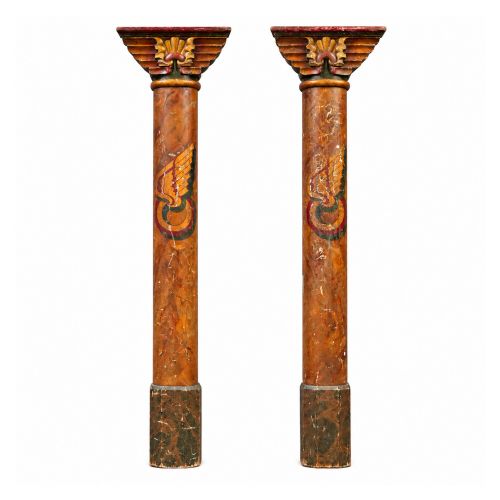
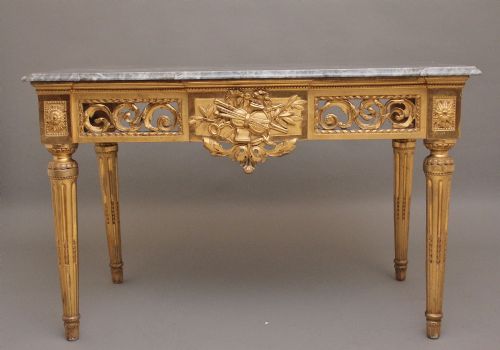
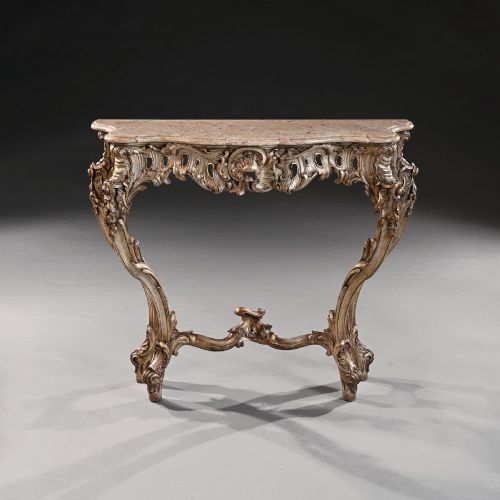
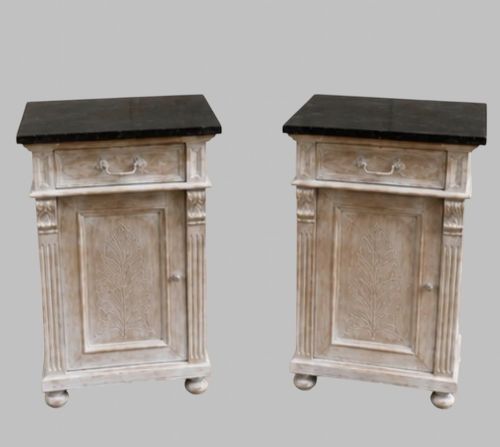
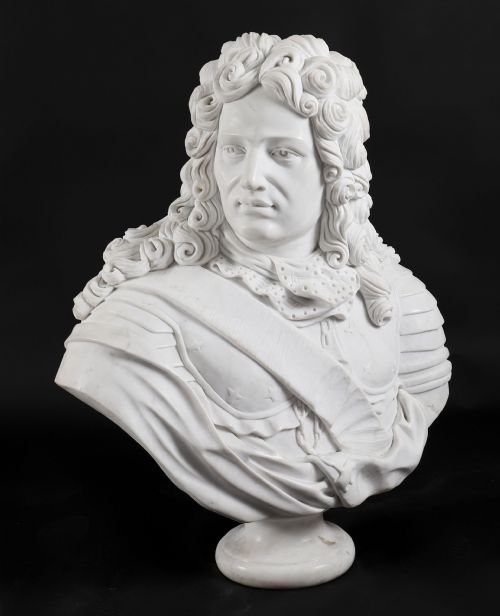
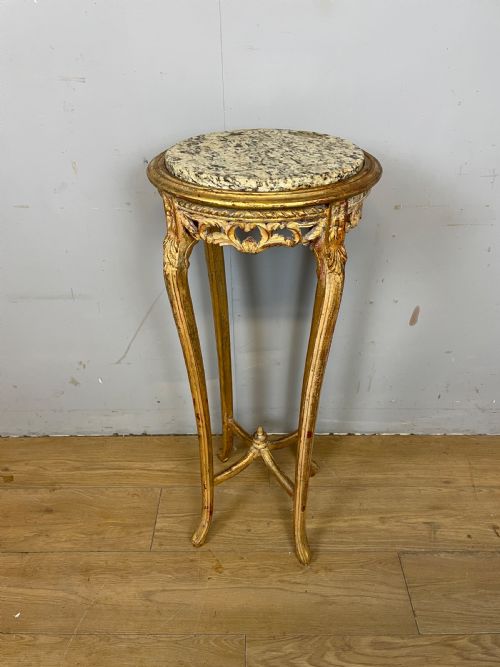
The objects themselves vary widely in scale and purpose, encompassing portrait busts of noblemen and women, animal studies, bookends, urns, and tazze. Architectural supports such as pedestals, columns, and torchere stands also feature prominently alongside console and occasional tables fitted with shaped marble slabs.
Many items draw directly on classical antiquity, particularly through Grand Tour souvenirs and reinterpretations of ancient sculpture. Others incorporate materials like alabaster and serpentine alongside white and coloured marbles, often paired with giltwood, bronze, or painted wood bases.
Materials and technique
Carvers shaped these pieces from various natural stones, utilising white Carrara marble, highly figured alabastro egiziano, verde antico, and serpentine. Artisans employed hand-chiselling, drilling, and polishing techniques to render detailed drapery, facial expressions, and naturalistic textures in hard mineral forms.
Many sculptural works and architectural components combine stone with secondary materials. Bronze, ormolu, giltwood, paint, and iron elements frequently support or complement the carved marble and alabaster bodies.
Decorative Marble Carving Retail Price Guide 2026
Typical asking prices for decorative marble carving among the pieces listed under this phrase on Sellingantiques today, from the lower quarter to the upper quarter. They describe what is for sale here now, not the wider market.
Listings feature nineteenth-century Italian and French works alongside twentieth-century Art Deco and mid-century examples.
Factors determining quality
The selection and figuring of the raw stone heavily influence the overall merit of an object. Highly figured marbles, consistent veining, and rich colouration in specimens like verde antico or alabaster elevate the visual impact of both pedestals and smaller decorative vessels.
John Wenlock Rollins·Auguste Moreau
The Decorative Marble Carving Glossary
- Grand Tour
- A cultural journey undertaken by nineteenth-century Europeans seeking classical art and antiquities, resulting in souvenir carvings purchased abroad.
- Tazza
- A shallow cup or vase on a pedestal foot, frequently carved from marble or alabaster during the nineteenth century.
- Torchere
- A tall decorative stand or pedestal designed to support a light fixture or sculpture, often carved from wood and topped with marble.
- Verde Antico
- A dark green serpentine breccia marble utilised for architectural columns and decorative objects.
- Serpentine
- A major rock-forming mineral group valued for its mottled green appearance and smooth polished surface.
Decorative Marble Carving: Frequently Asked Questions
What is a Grand Tour marble carving?
Grand Tour carvings are souvenir pieces produced in Italy during the nineteenth century for travellers collecting classical art. These items often replicated famous ancient statues or architectural fragments in miniature.
Craftsmen utilised local stones such as alabaster, Carrara marble, and serpentine to create portable sculptures, tazze, and vases for foreign buyers.
How do I style a marble pedestal at home?
Marble pedestals and torchere stands function well as vertical accents in corners or hallways, elevating sculptures or urns to eye level. Their substantial weight provides a stable base for heavy stone or bronze works.
When placing these items, consider the surrounding floor load and pair the cool stone tones with softer textures like timber furniture and woven rugs.
What is the difference between marble and alabaster?
Marble is a metamorphic rock formed from recrystallised carbonate minerals, known for its density and varied veining. Alabaster is a softer, gypsum-based mineral that allows light to pass through its surface in thinner sections.
Sculptors utilised marble for durable architectural columns and exterior-facing statues, while alabaster suited interior portrait busts and translucent vessels.
How are marble console tables constructed?
Marble console tables typically feature a heavy slab top resting on a carved wooden, giltwood, or metal base. The stone top often showcases shaped edges and varied natural figuring.
These tables were designed to sit against walls in grand rooms, sometimes supported by architectural columns or ornate pedestals reflecting classical design principles.