






Decorative Floral Artwork
Decorative floral artwork brings botanical study and vibrant colour indoors, offering a timeless focal point for any wall.
Decorative Floral Artwork
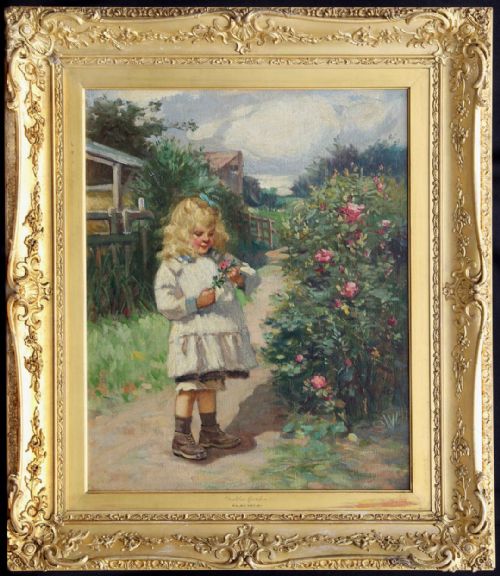
Decorative floral artwork encompasses paintings, panels, plates and framed pieces celebrating flowers across several centuries. Buyers searching this phrase look for visual representations of flora executed in various traditional mediums.
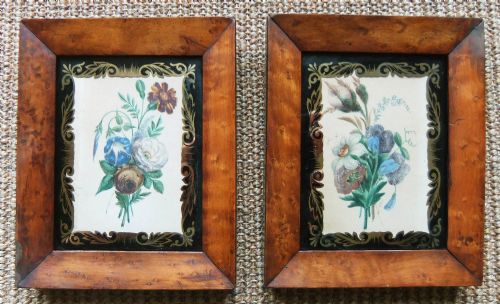
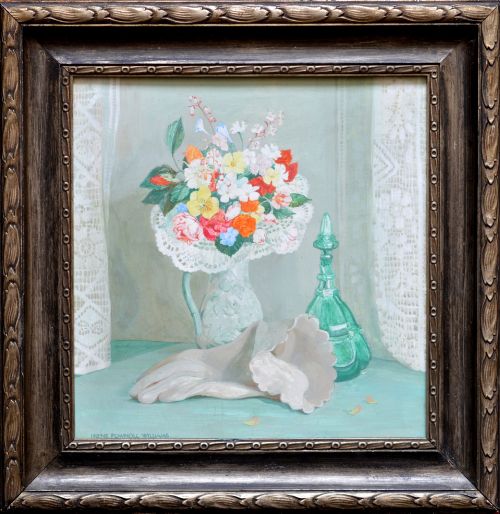
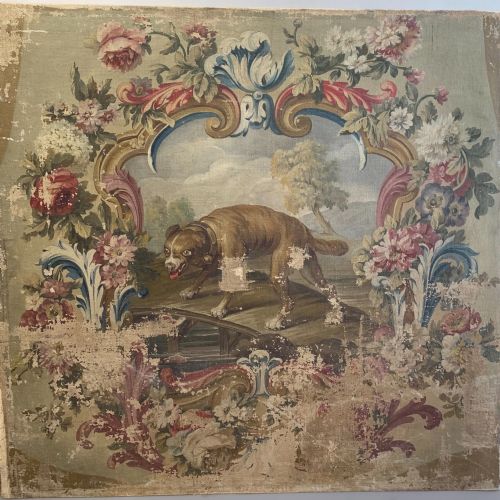
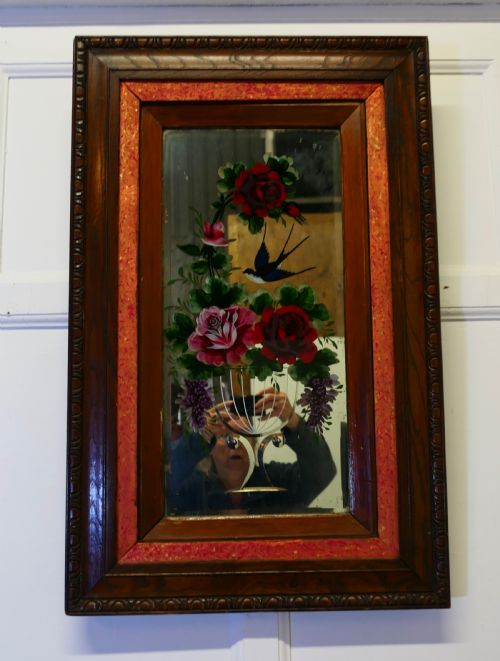
The selections available range from eighteenth-century baroque compositions and nineteenth-century watercolours to mid-century tempera panels and Victorian reverse-painted glass. Works on paper, canvas, panel and wood appear frequently throughout the collection.
Makers and artists span British and continental schools alongside Japanese craftsmanship, demonstrating diverse cultural interpretations of botanical subjects. Miniature paintings, large wall panels and framed watercolours provide varied sizing for different interior spaces.
How they were made
Artists utilised oil paint, tempera and watercolour applied to traditional supports such as canvas, wood panels, paper and prepared board. These mediums allowed for detailed layering and careful blending to capture natural petal textures and foliage.
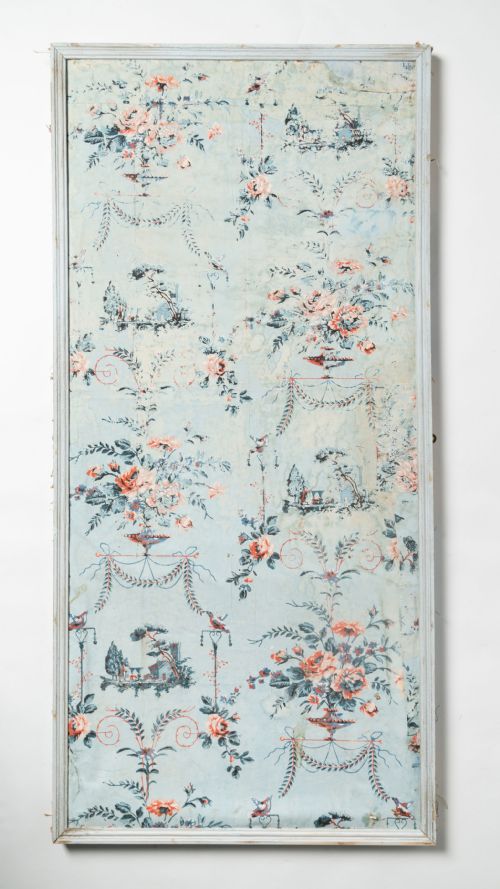
Enclosure and presentation involved bespoke framing in wood, maple and pewter, occasionally incorporating reverse painting and etching on glass. Specialised techniques such as Japanese cloisonne and wallpaper panel production further expanded the repertoire of floral decoration.
Decorative Floral Artwork Retail Price Guide 2026
Typical asking prices for decorative floral artwork among the pieces listed under this phrase on Sellingantiques today, from the lower quarter to the upper quarter. They describe what is for sale here now, not the wider market.
The selection includes works executed in oil paint, tempera, watercolour and cloisonne across the eighteenth, nineteenth and twentieth centuries.
What varies in quality
Quality rests upon the precision of brushwork and the structural integrity of the underlying support, whether canvas, panel or paper. Finer execution reveals nuanced tonal transitions in petals and leaves, distinguishing accomplished compositions from simpler decorative pieces.
The choice of framing and mounting materials contributes significantly to the overall presence of the work. Well-preserved surfaces retain original pigments and finishes without intrusive restoration, maintaining the integrity intended by the maker.
Irene Christobelle Pownoll Williams·Stuart Armfield·Jabez Bligh·Ralph Hedley
The Decorative Floral Artwork Glossary
- Tempera
- A permanent, fast-drying painting medium consisting of coloured pigment mixed with a water-soluble binder material such as egg yolk. It produces a matte surface that resists darkening over time.
- Cloisonne
- An ancient technique for decorating metalwork objects with coloured glass paste separated by strips of metal wire. Japanese examples often display meticulous geometric and floral patterns.
- Baroque
- An ornate artistic style prevalent from the early seventeenth century into the eighteenth century, characterised by exaggerated motion and clear detail used to produce drama. Floral compositions from this period feature rich arrangements and deep shadows.
- Gouache
- A water-based paint consisting of pigment and other inert materials designed to be opaque. It offers a heavier consistency than standard watercolour for solid colour application.
- Reverse painting on glass
- An art form consisting of applying paint to a piece of glass and viewing it through the unpainted side. This technique produces a glossy finish and protected pigment layer.
Decorative Floral Artwork: Frequently Asked Questions
What periods do these floral artworks come from?
The pieces span from the eighteenth century through the Victorian era to the mid-twentieth century. Examples include baroque compositions, nineteenth-century watercolours and mid-century tempera works.
Each period brings distinct stylistic conventions, reflecting changing tastes in botanical illustration and interior ornamentation over time.
How should I display decorative floral artwork at home?
Consider the lighting and humidity of the room, keeping watercolours and works on paper away from direct sunlight to prevent fading. Framing materials like wood, maple or pewter should complement surrounding furniture and wall colours.
Grouping smaller miniature paintings together or pairing symmetrical floral panels creates a strong visual impact in living spaces or hallways.
What materials were used to create these pieces?
Artists employed oil paint, tempera, watercolour and glass painting techniques upon supports of canvas, wood panel, paper and board. Frames incorporate wood, maple, pewter and etched glass.
Craftsmen also utilised cloisonne metalwork and paper panels to render botanical forms with lasting durability and visual depth.
How can I tell different painting techniques apart?
Watercolours offer translucent washes on paper, whereas oil paint provides heavier texture and blendable colour on canvas or panel. Tempera creates a flat, matte appearance with fine, deliberate brushstrokes.
Reverse painting on glass presents a unique glossy surface where the image is viewed through the protective glass barrier.