



Decorative Fireplace Surround
A decorative fireplace surround anchors a room with period character, offering metalwork and carved wood from the Victorian era back to earlier centuries.
Decorative Fireplace Surround
A decorative fireplace surround encompasses architectural mantels in carved pine alongside metalwork fenders and kerbs designed to sit before the hearth. These pieces anchor a room with period character, drawing the eye directly to the fireplace as the structural centre of the interior. Buyers search for this phrase to find functional hearth furnishings and architectural surrounds that transform an ordinary chimney breast into a focal point.
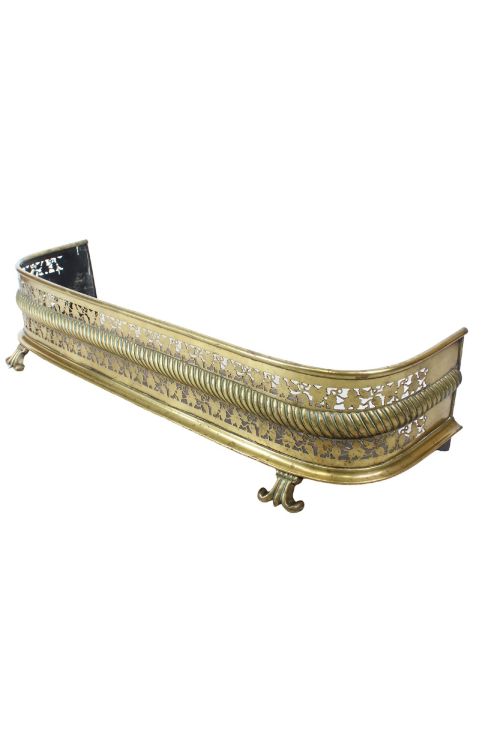
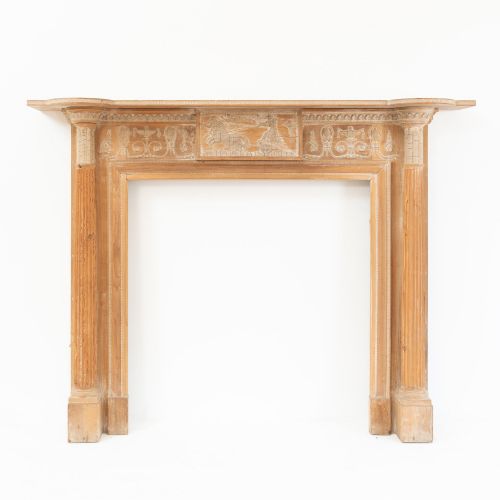
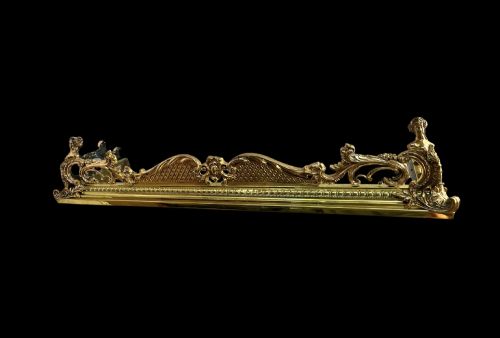
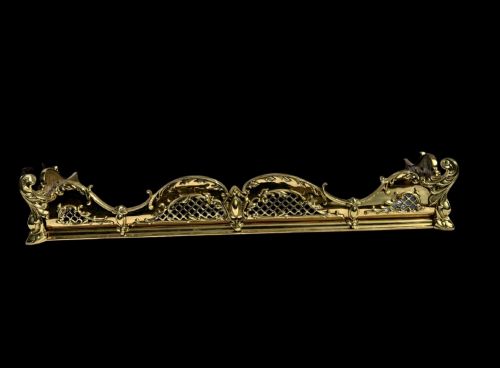
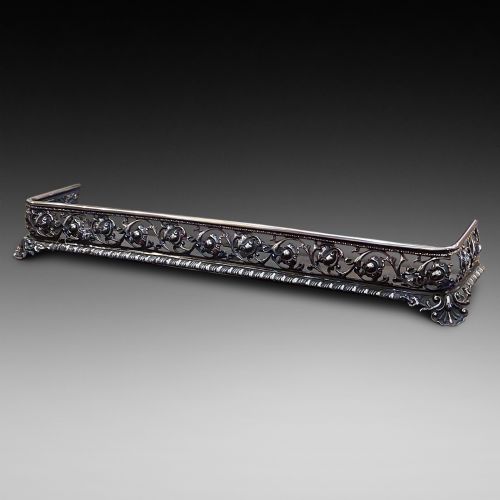
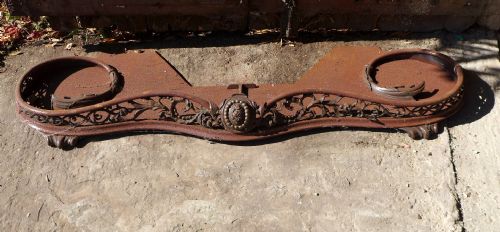
The versions most commonly met on this page are Victorian brass and steel fenders, alongside carved pine surrounds and nineteenth-century iron designs. Pieces range from pierced brass kerbs dating around eighteen eighty to striking Art Nouveau examples from nineteen hundred. Alongside these, buyers encounter club fenders upholstered in leather and occasional early architectural elements from the fifteenth century bearing armorial details.
How they were made
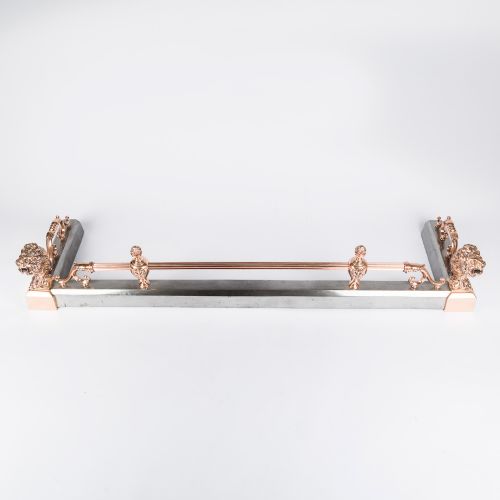
Makers utilised cast iron, wrought iron, steel and brass to fabricate durable hearth furniture capable of withstanding intense domestic heat. Metalwork components were frequently pierced, polished or given a black finish to accentuate decorative motifs. Copper and bronze elements appear alongside iron to introduce contrasting metallic tones.
Carpenters shaped pine into architectural fireplace surrounds through detailed hand carving, establishing substantial wooden mantels. Polychrome decoration added colour to metal surfaces, while leather upholstery was integrated into club fenders to provide comfortable fireside seating.
Some nineteenth-century makers incorporated leather seats directly onto iron frames so homeowners could sit entirely inside the hearth area.
What varies in quality
The distinction between standard production and superior craftsmanship rests in the crispness of metal piercing and the depth of wood carving. Pierced brass and steel components demonstrate finer execution when the apertures show precise geometry and clean edges rather than crude casting. Carved pine surrounds succeed when the botanical or architectural relief possesses genuine sculptural depth.
Material selection and surface finish further define the hierarchy of pieces. Original patination on copper and bronze distinguishes untouched antique surfaces from later alterations. The integration of materials, such as combining wrought iron with quality leather on club fenders, separates utilitarian items from decorative works.
The Decorative Fireplace Surround Glossary
- Fender
- A low metal guard placed on the floor around a hearth to contain stray embers and coal. These protective barriers range from simple iron bars to pierced brass kerbs.
- Kerb
- An alternative term for a fender, often denoting a heavier stone or metal barrier framing the hearth opening. They define the perimeter of the fireplace floor.
- Club fender
- A specialised hearth fender featuring upholstered leather seats flanking the fireplace opening. They provide traditional fireside seating within the warmth of the chimney.
- Armorial
- Relating to heraldry, featuring coats of arms or familial crests cast or carved into the object. These display symbols of lineage and authority.
- Polychromed
- Painted or decorated in several colours to enhance the visual impact of the surface. This technique brings vibrancy to metallic or wooden elements.
Decorative Fireplace Surround: Frequently Asked Questions
What is a club fender?
A club fender is a specialised hearth guard equipped with cushioned leather seats running along the top frame. This design allows people to sit close to the fire while containing stray embers.
Originating in nineteenth-century country houses, these pieces combine metalwork frames with comfortable seating to create a social fireside accessory.
How do I date a brass fender?
Dating a brass fender involves examining the manufacturing techniques, stylistic motifs and the weight of the metal. Victorian examples often feature pierced geometric patterns or distinct Art Nouveau curves.
Earlier pieces typically display heavier cast construction and hand-finished details, whereas twentieth-century versions utilise lighter gauge materials and standardised fixings.
Are pine surrounds original to old houses?
Carved pine fireplace surrounds served as the primary architectural framing for Victorian and earlier hearths. Homeowners painted or stained the timber to match the interior decorative scheme of the room.
Surviving examples provide genuine architectural character when installed around compatible period grates and chimney openings.
What is the difference between iron and steel hearth furniture?
Wrought iron and cast iron provide a heavy, dark structural presence with matte surfaces. Steel, frequently paired with brass or copper, offers a brighter metallic sheen that reflects firelight.
Victorian makers often combined steel and iron to achieve both structural rigidity and decorative contrast within a single fender.