

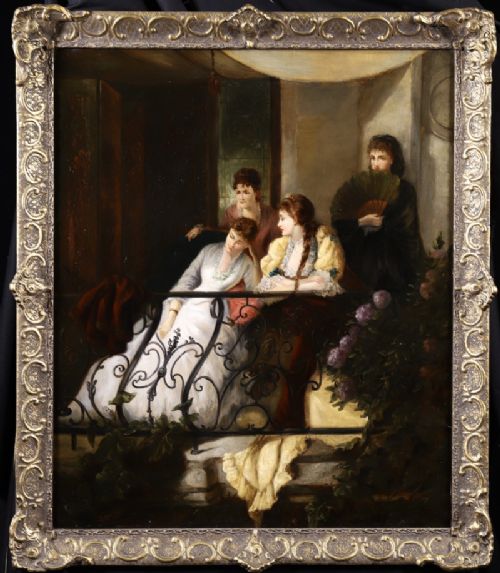


Decorative Figurative Art
Decorative figurative art brings character and human form into a room through sculptures, oil paintings and carved panels from the seventeenth century to the mid-twentieth century.
Decorative Figurative Art
When searching for decorative figurative art, buyers encounter a diverse selection of works spanning the seventeenth century, Victorian period, Edwardian era, and the 1920s and 1930s. The assortment on this page ranges from oil paintings and lithographs to carved limewood sculptures, bronze studies, and painted cabinets.
Sculptural objects include bronze female nudes, terracotta wall reliefs, and carved wooden nutcrackers, alongside wall panels and framed lacquer work. These pieces bring distinct historical forms and human representations into domestic interiors.
Materials and construction methods
The physical pieces rely heavily on traditional woodworking, carving, and metal casting techniques. Artists and craftsmen utilised wood, limewood, bronze, silver plate, and terracotta to form sculptures, candlesticks, and structural panels.
Painted works utilise oil on canvas, hand-painted finishes, watercolour, and lithographic engraving. Frames often feature giltwood or gilt enhancements to complement the canvas or panel within.
Decorative Figurative Art Retail Price Guide 2026
Typical asking prices for decorative figurative art among the pieces listed under this phrase on Sellingantiques today, from the lower quarter to the upper quarter. They describe what is for sale here now, not the wider market.
Listings feature works spanning the seventeenth, nineteenth, and twentieth centuries, using wood, canvas, bronze, and terracotta.
Distinctions in quality
Quality in these figurative works rests on the execution of the human form, the crispness of the carving or casting, and the preservation of original paint or gilt surfaces. Finer bronzes and limewood carvings display precise anatomical detail and fluent handling.
Material selection and decorative complexity also set pieces apart, from simple carved wooden items to elaborate silver plated candlesticks or multi-panel Chinese lacquer work in the style of export Coromandel pieces.
Hans Müller·Ferdinand Preiss·William Powell Frith·Raymond Arthur Roadnight
The Decorative Figurative Art Glossary
- Art Deco
- A design style characterised by sleek lines and stylised forms, prominent during the 1920s and 1930s. It influences many of the bronzes and metal objects found in this category.
- Art Nouveau
- An international style of art and architecture that was most popular during the late nineteenth and early twentieth centuries. It is recognised by its use of organic, flowing plant and human motifs.
- Terracotta
- A glazed or unglazed fired clay used for sculptural reliefs and figures. It provides a warm, earthy medium for three-dimensional artwork.
- Coromandel
- A term used to describe Chinese carved lacquer work where incisions are filled with colour. These panels often depict intricate figurative scenes.
- Lithograph
- A print made from a planographic process in which a drawing is made on stone or metal. It allows for detailed reproduction of pictorial art.
Decorative Figurative Art: Frequently Asked Questions
What periods do these pieces cover?
The objects span several centuries, starting from seventeenth-century carved panels and moving through Victorian, Edwardian, and nineteenth-century works. Later pieces extend into the Art Deco and mid-twentieth-century Modern British periods.
This broad chronological range allows collectors to find items that match specific historic interiors or stylistic eras.
What materials are commonly used?
Works in this category are fashioned from traditional materials such as wood, limewood, canvas, terracotta, and bronze. Many pieces also incorporate paint, gilt, and silver plate to enhance their visual appeal.
Surfaces often feature original finishes, including hand-painted details and giltwood frames.
How can I identify Art Deco pieces?
Art Deco items, frequently dated to the 1930s, typically display streamlined forms and distinct modernist styling. Examples include bronze studies of female nudes and silver-plated candlesticks.
These pieces reflect the design sensibilities of the interwar period, focusing on clean geometry and elegant figurative representation.
Where were these artworks produced?
The collection includes pieces originating from various European workshops and British studios, alongside items influenced by French Chinoiserie and Chinese export styles. Geographic origins range from nineteenth-century France to Britain.
This international scope brings diverse cultural techniques and aesthetic traditions together in one place.