


Decorative Ceramic Statuettes
These decorative ceramic statuettes bring character to a room through finely modelled figures spanning several centuries.
Decorative Ceramic Statuettes
Decorative ceramic statuettes encompass figures, figurines and sculptural groups modelled from clay and porcelain. When you search for decorative ceramic statuettes, you encounter works ranging from eighteenth-century porcelain figures to twentieth-century earthenware and bisque examples.
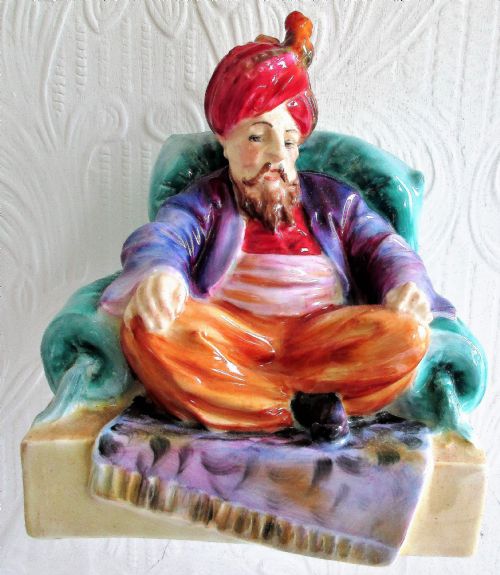
The selection on this page leans heavily towards nineteenth-century porcelain figures, alongside eighteenth-century pieces and twentieth-century earthenware items. Subjects include animals, cherubs, dancers and literary or orientalist characters produced across European kilns.
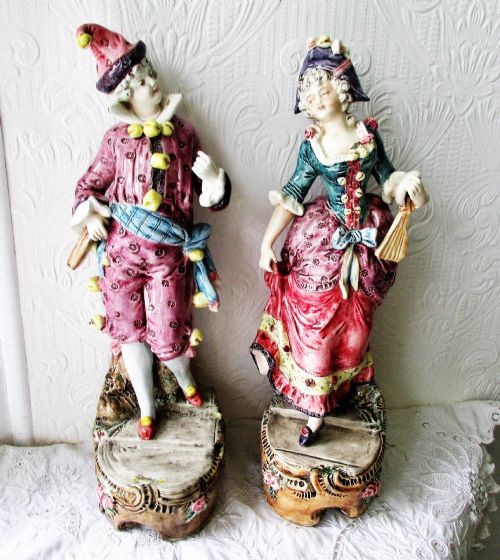
Moulded objects take many forms, from single figures to pairs mounted on circular bases. You find everything from small bisque studies to large decorative statuettes bearing historical factory marks.
Materials and production methods
Potters shaped these statuettes using porcelain, earthenware, and bisque porcelain. Glaze, enamel, and gold leaf were applied to surface details, giving certain figures rich colour and texture.
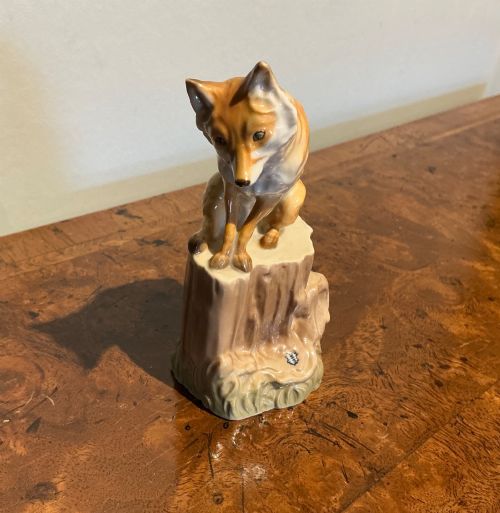
Gardeners, cherubs, and hurdy-gurdy players populate the shelves alongside a solitary elephant and fox.
Judging quality in ceramic figures
Quality rests upon the crispness of the modelling and the finesse of the hand-painting. Superior examples retain delicate facial expressions, sharp details in fingers and drapery, and clean application of enamel and gold leaf.
The reputation of the manufactory and the clarity of factory marks also influence standing. Pieces originating from established European works demonstrate greater precision in the initial moulding and subsequent firing stages.
Nymphenburg·Royal Doulton·Volkstedt·Edme Samson·Royal Worcester·Meissen·Chantilly·Derby·Sitzendorf·Royal Dux·Chelsea·Staffordshire Pottery·Carl Thieme Dresden·Copeland
The Decorative Ceramic Statuettes Glossary
- Bisque Porcelain
- Unglazed porcelain fired once to produce a matte, porous white surface resembling marble. This finish highlights fine sculptural detail without the sheen of a glossy glaze.
- Earthenware
- Porous pottery fired at lower temperatures than porcelain and typically covered in an opaque glaze. It offers a heavier, robust alternative to delicate porcelain figures.
- Enamel
- Vitreous coloured composition fused to the surface of porcelain or pottery during a secondary firing. It provides durable polychrome decoration.
- Gold Leaf
- Very thin sheet gold applied to decorative elements for gilded highlights. It catches the light on garments, bases, and accessories.
- Rococo Revival
- Nineteenth-century design style drawing on eighteenth-century asymmetry, scrollwork, and naturalistic motifs. Figures from this movement often feature elaborate, swirling bases.
Decorative Ceramic Statuettes: Frequently Asked Questions
How do I identify eighteenth-century figures?
Eighteenth-century figures often display characteristic paste variations, early factory marks, and hand-modelled nuances that differ from later mass-produced items.
Studying the weight, glaze pooling, and underglaze blue marks helps confirm an earlier origin.
What is bisque porcelain?
Bisque porcelain is fired without a glaze, leaving a matte, porous surface that resembles marble.
This technique allows modellers to showcase intricate facial expressions and fine drapery without surface glare.
How should I display ceramic statuettes?
Display these figures in stable cabinets away from direct sunlight and heavy foot traffic to protect delicate extremities.
Ensure shelves are level and secure, particularly for larger figures mounted on rustic or circular bases.
Why do some figures have factory marks?
Factory marks indicate the kiln or studio responsible for producing the blank or finishing the piece.
Stamps, incised numbers, and painted symbols help historians trace dates, makers, and regional traditions.