
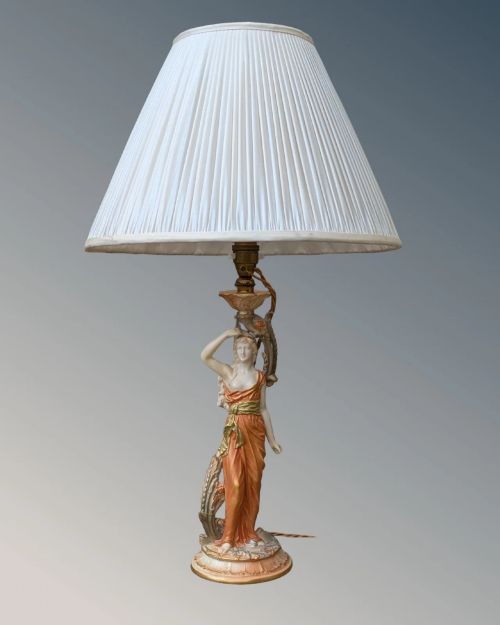


Decorative Ceramic Lamps
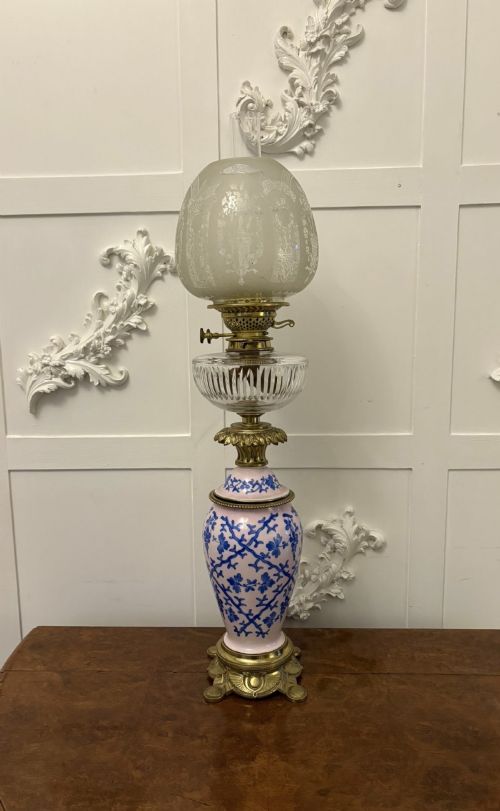
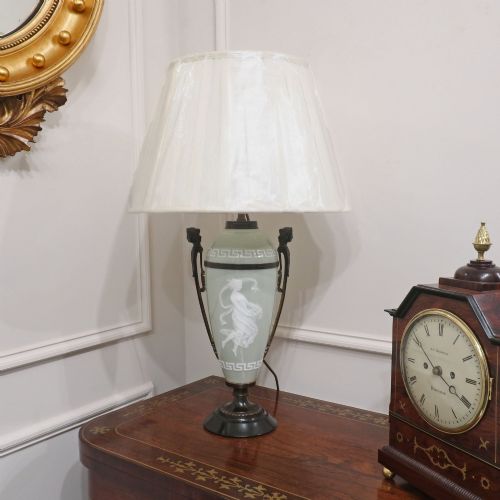
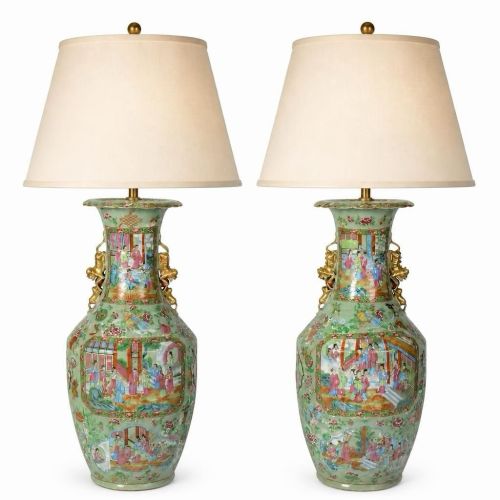
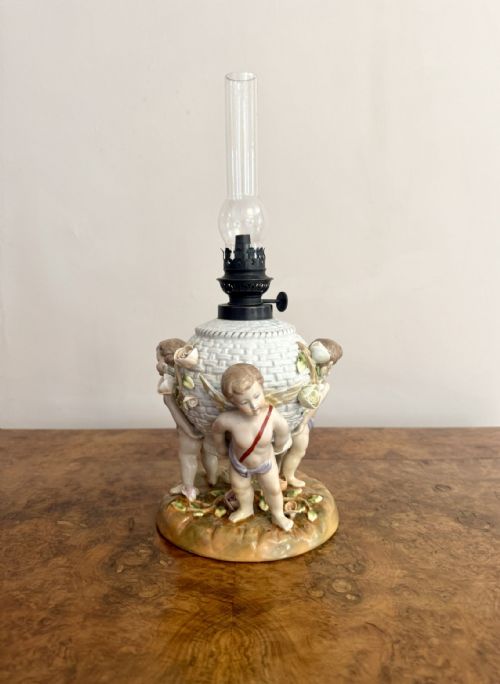
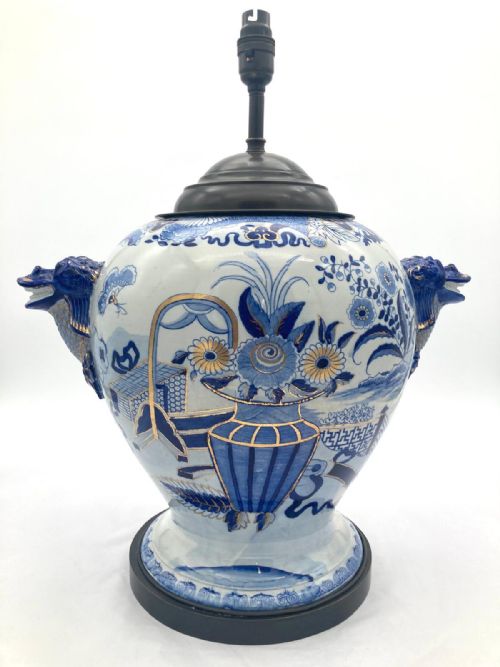
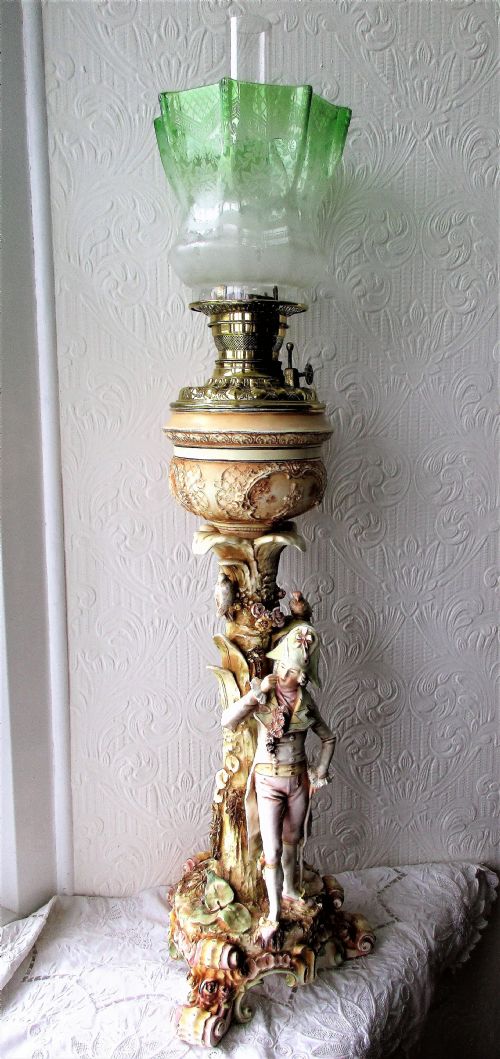
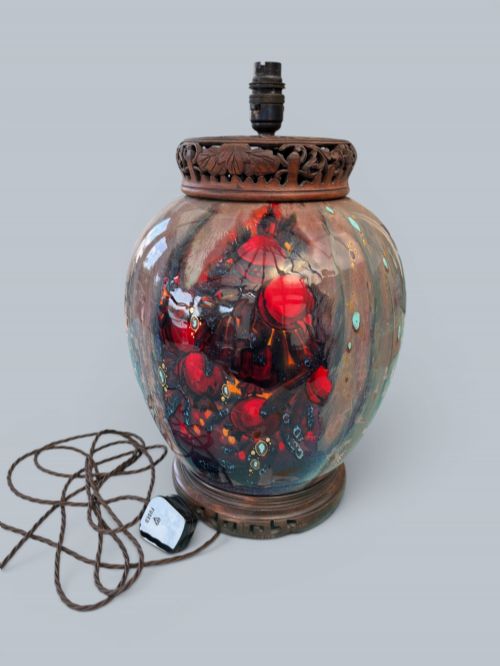
These decorative ceramic lamps bring together centuries of global artistry, illuminating rooms with hand-painted porcelain, bronze mounts, and converted antique vases.
Decorative Ceramic Lamps
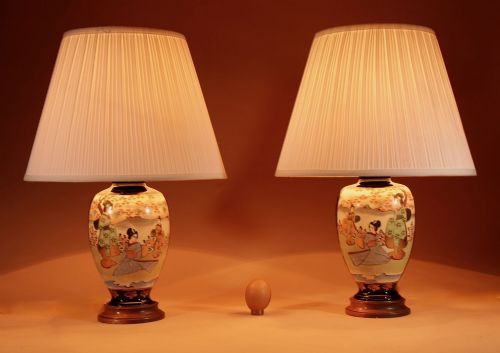
Decorative ceramic lamps encompass everything from converted nineteenth-century Chinese vases to Victorian oil lamps and early twentieth-century art pottery. When seeking decorative ceramic lamps, buyers encounter diverse forms ranging from large Satsuma pairs to French Neoclassical porcelain bodies.
The selections span distinct periods including the Regency era, Victorian decades, and the 1920s and 1930s. Many pieces began life as vases or oil burners before receiving modern electrical fittings while retaining their historical bases.
Origin points stretch across European factories like Royal Worcester, Paris porcelain workshops, and Sitzendorf alongside Asian export wares such as Arita Imari and Rose Medallion. These objects function as primary sources of ambient light while acting as sculptural centerpieces.
How they were made
Makers shaped these bodies from ceramic, ironstone, and porcelain pastes, frequently applying intricate enamels, pate sur pate, and hand-painted motifs. Firing techniques varied from traditional Chinese kilns to European pottery works, often resulting in rich crackle glazes and deep cobalt blues.
Metal components in brass and bronze frequently provide structural mounts, handles, and bases to support the ceramic vessels. Fabric shades and glass elements complete the assemblies, combining rigid fired earth with delicate textiles and blown glass.
Several heavy porcelain vases spent decades holding oil before an electrician finally gave them a second career as reading companions.
What varies in quality
Quality rests primarily in the fineness of the hand-painting, the crispness of the porcelain moulding, and the weight of any bronze or brass mounts. Superior examples display meticulous brushwork on Satsuma or Famille Rose surfaces without the blurring seen in lesser wares.
The integrity of the conversion process also dictates value, where professional adaptation preserves the original ceramic body without harmful drilling or structural compromise. Pairs demonstrate higher desirability and scarcity than single lamps, especially when matching in scale and glaze.
Hicks and Meigh·Moorcroft·Royal Worcester·Sitzendorf
The Decorative Ceramic Lamps Glossary
- Pate sur pate
- A porcelain decoration technique where wet white slip is built up in layers on a coloured clay body to create a low relief cameo effect. This demanding method produces subtle translucent designs.
- Satsuma
- Japanese pottery featuring a crackled creamy earthenware glaze decorated with elaborate polychrome enamels and gilding. These pieces were heavily produced for export during the Meiji period.
- Ironstone
- A heavy, durable type of earthenware patented in the nineteenth century to rival true porcelain. It provides a robust body suitable for large decorative vases and heavy domestic use.
- Famille verte
- A Chinese porcelain palette dominated by green enamel hues, developed during the Qing dynasty. It often depicts floral or figural scenes across large temple jars and vases.
- Faience
- European tin-glazed earthenware decorated with opaque coloured metallic oxides before firing. It offers a bright surface for painterly floral and abstract designs.
Decorative Ceramic Lamps: Frequently Asked Questions
Are these converted vases safe to use?
Most antique lamps on the market have been adapted for modern electrical standards during their history. It remains wise to have a qualified electrician inspect older wiring before daily use.
Professional conversions typically run cords through existing apertures to preserve the ceramic integrity. This ensures safety without damaging the historic body of the piece.
How do I identify a Japanese Satsuma lamp?
Satsuma pieces display a characteristic ivory-colored crackle glaze covered in dense patterns of enamels and raised gold. Look for traditional Japanese motifs such as court figures, chrysanthemums, and landscapes.
These ceramics were frequently mounted into lamps in the late nineteenth or early twentieth centuries. Their distinctive crazed glaze texture separates them from smooth Chinese porcelains.
Can I separate a matched pair?
Splitting a matched pair of antique lamps diminishes their collective historical and visual value. Pairs offer symmetrical balance on large sideboards, mantels, or bedside tables.
Keeping them together preserves an interior design ensemble that took decades to survive intact. Collectors generally prize matched sets far above individual examples.