






Decorative Bronze Head
A decorative bronze head brings sculptural presence to a room, ranging from classical portraiture to tribal works.
Decorative Bronze Head
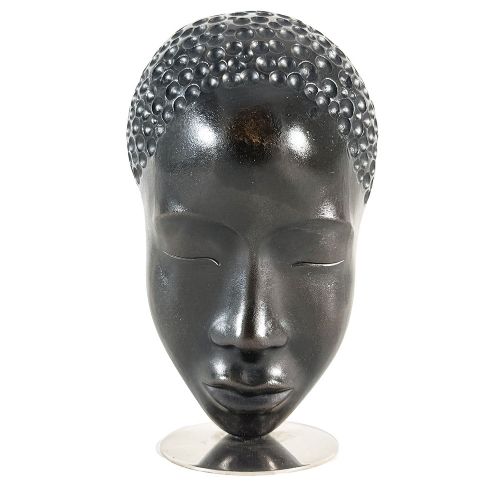
When you search for a decorative bronze head, you encounter a diverse array of sculptural forms spanning several centuries and global traditions. These pieces include portrait busts, mythical masks, and figures originating from 17th-century China, 19th-century Europe, and early 20th-century African workshops.
The most common examples on this page are European portrait busts and masks from the 19th century, alongside striking African tribal busts and Asian works. They appear in materials that mimic or complement bronze, including patinated metal, gilt surfaces, and marble pairings.
Buyers seek these objects to anchor a mantelpiece, desk, or wall display with strong historical or cultural character. Their variety ensures a match for interiors favouring classical revival, Art Deco, or eclectic global aesthetics.
Materials and construction
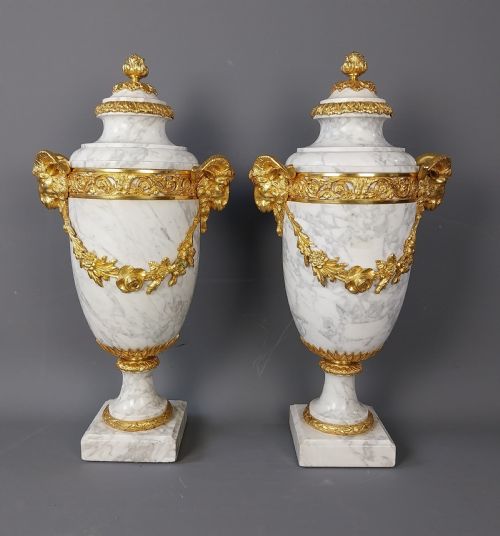
The primary material across these listings is bronze, frequently finished with patination to deepen the metallic tones or enriched with fire gilding known as ormolu. Many pieces combine this metal with contrasting elements such as white marble bases, glass inserts, or painted surfaces.
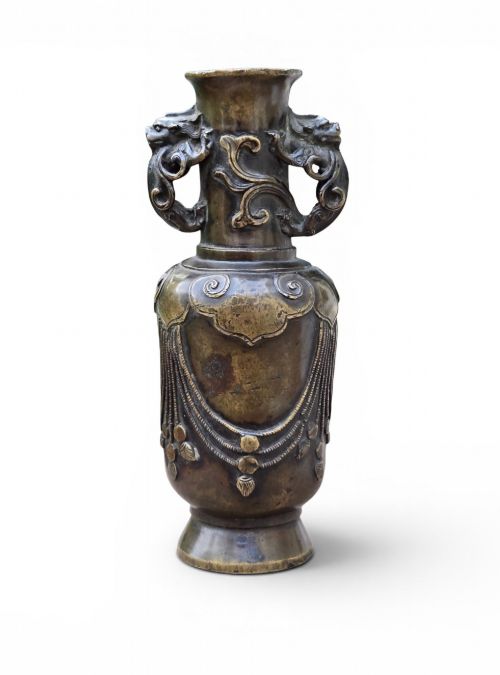
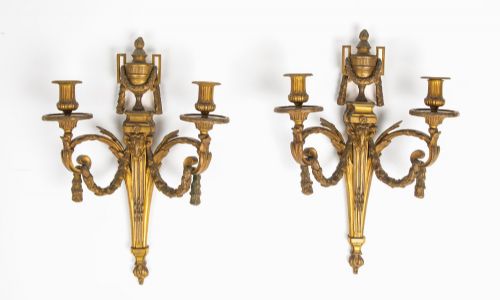
Alternative compositions include cast spelter and terracotta, demonstrating the broader range of sculptural media used to achieve metallic or earthen finishes. Artisans employed traditional casting, carving, and mounting techniques suited to each period, from intricate Chinese dragon handles to neoclassical wall sconces.
Decorative Bronze Head Retail Price Guide 2026
Typical asking prices for decorative bronze head among the pieces listed under this phrase on Sellingantiques today, from the lower quarter to the upper quarter. They describe what is for sale here now, not the wider market.
Bacchus and various mythical beasts keep a watchful metal eye over proceedings alongside human portraits.
Distinctions in quality
The integrity of the patina or gilding also dictates the standard, with original surfaces showing depth and even wear rather than flat, uniform paint. Furthermore, the weight and quality of the supporting materials, such as heavy marble bases or solid brass mounts, elevate the stature of the piece.
Hagenauer
The Decorative Bronze Head Glossary
- Patina
- The surface sheen and coloration developed by age or chemical treatment on bronze. A rich patina adds visual depth to facial contours.
- Ormolu
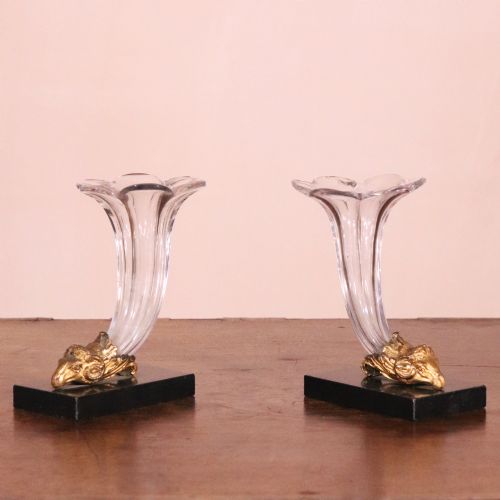
- Gilt bronze mounted on decorative objects, popular in French furniture and lighting. It requires careful cleaning to preserve the gold layer.
- Neoclassical
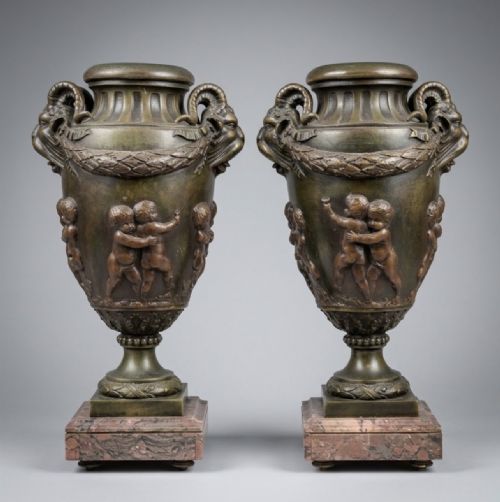
- A style drawing inspiration from the classical art and culture of ancient Greece and Rome. This aesthetic appears frequently in 19th-century urns and busts.
- Cassolette
- A decorative vase or urn with a removable lid, often reversible to serve as a candleholder. These vessels frequently feature marble bodies with bronze mounts.
Decorative Bronze Head: Frequently Asked Questions
Are these pieces solid bronze?
Many objects listed are cast in solid bronze, while others utilise related metals such as brass or patinated spelter. Descriptions often specify the exact alloy or mention supporting materials like marble and terracotta.
Examining the underside or weight of the object helps determine its composition. Heavier items with cold metallic touch points typically indicate solid bronze or brass construction.
Where should I place a bust?
Sculptural heads suit mantelpieces, bookcases, or dedicated console tables where they can be viewed from multiple angles. Wall-mounted masks and sconces require secure fixings into solid masonry or stud work due to their weight.
Keep pieces away from direct heat sources and strong, prolonged sunlight to protect patinated surfaces and marble bases. Adequate lighting from a nearby lamp enhances the facial details and metallic tones.
How do I date a bronze head?
Dating relies on stylistic markers, such as the streamlined geometry of Art Deco or the classical drapery of 19th-century revivals. Examining the casting technique and the wear on the underside provides additional clues to the age of the object.
Makers' marks, stamps, or signatures inscribed into the metal also help establish provenance. Comparing the construction methods with documented pieces from periods like the 19th century clarifies the timeline.