




Decorative Brass Bucket
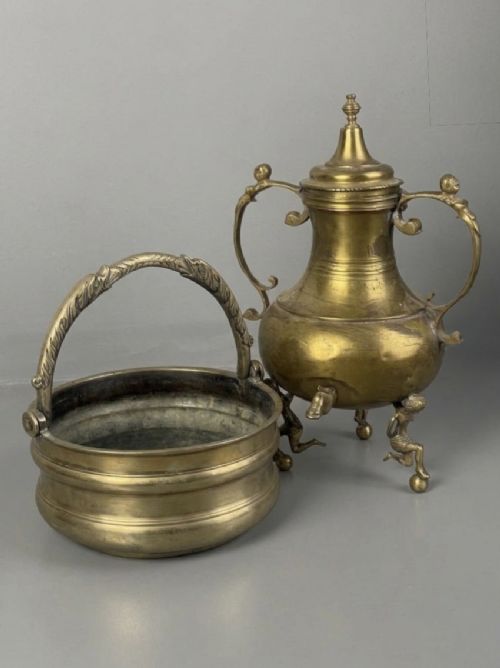
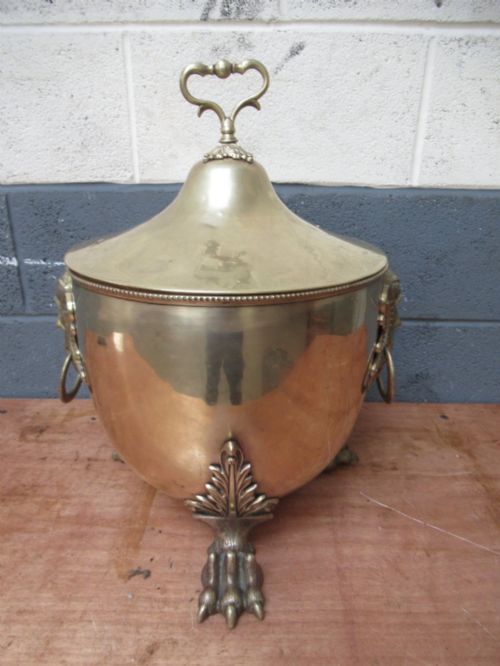
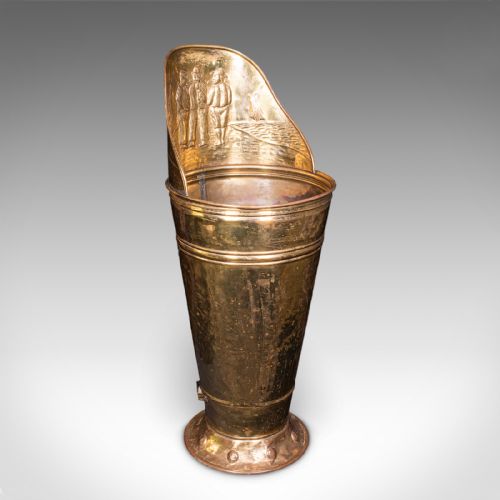
These decorative brass bucket pieces bring character to a fireside or room, offering both practical storage and traditional metalwork.
Decorative Brass Bucket
A decorative brass bucket combines metal bodywork with traditional forms such as coal scuttles, planters, and wine coolers. These vessels appear in styles ranging from Victorian and Edwardian to Regency and Arts and Crafts, spanning the nineteenth and early twentieth centuries.
The most frequent examples on this page are metal vessels made for fireside use or plant display, often incorporating timber elements like oak, mahogany, or teak. Makers utilised brass and copper alongside wood to create robust items for domestic settings.
Origins include English country house designs as well as Dutch traditional and French rococo revival pieces. Buyers encounter both plain metal containers and coopered wooden buckets bound in brass.
How they were made
Construction relies on sheet brass and copper, sometimes hammered, chiselled, or dinanderie worked, combined with turned or coopered timber bodies. Wood types like oak, mahogany, walnut, and teak form the stave structures of coopered vessels.
Metal mounts, swing handles, and brass bands secure the wooden staves and reinforce the rims of coal buckets and wine coolers. Soldering, riveting, and careful panel fitting ensure durability in domestic service.
Decorative Brass Bucket Retail Price Guide 2026
Typical asking prices for decorative brass bucket among the pieces listed under this phrase on Sellingantiques today, from the lower quarter to the upper quarter. They describe what is for sale here now, not the wider market.
Listings span the eighteenth century through to the 1920s, featuring materials such as brass, copper, oak, mahogany, walnut, teak, tin, and zinc.
What varies in quality
Quality shows in the weight of the metal gauge and the precision of the cooperage on wooden bodies. Heavier brass panels and tight, well-fitted timber staves indicate superior craftsmanship.
Refinement in surface decoration, such as hand hammering, chased detailing, or fine brass mountings, separates standard containers from more decorative vessels.
The Decorative Brass Bucket Glossary
- Coopered
- Made from curved wooden staves joined together to form a round vessel, similar to barrel construction. This technique appears on planters and wine coolers.
- Dinanderie
- A term for medieval and later brass or bronze wares produced in towns along the Meuse valley. The listings apply this to heavy decorative containers.
- Jardiniere
- An ornamental pot or stand for holding plants or flowers. These items often feature brass bodies or wooden construction with brass mounts.
- Coal scuttle
- A container specifically designed for holding coal by a fireplace. Examples include double lidded versions and brass-mounted wooden boxes.
Decorative Brass Bucket: Frequently Asked Questions
What were these buckets used for?
These vessels served practical domestic roles around the home, holding coal for fires, storing peat, or keeping wine chilled. Many functioned as plant containers or jardinières in reception rooms.
Over time, their decorative metal surfaces and timber framing made them suitable for general fireside storage and interior display.
How do I clean a brass bucket?
Cleaning depends on the desired appearance and the presence of aged patina on the metal. Gentle dusting or wiping with a dry cloth preserves the historical surface.
Harsh metal polishes can strip original character from older brass and copper, so gentle maintenance is generally preferred by collectors.
Are wooden elements original to the metal parts?
Most pieces combine turned or coopered timber like oak, mahogany, or teak with integrated brass bands and mounts. These components were constructed together as unified items.
Inspecting the fit of the brass bindings against the wood reveals the integrity of the original assembly.
How do I tell different periods apart?
Stylistic indicators help separate Regency and Victorian pieces from later Edwardian or 1920s examples. Regency and early nineteenth century items often feature mahogany with heavy brass banding.
Later pieces from the 1900s and 1910s frequently show Arts and Crafts influence, hammered finishes, or continental Dutch traditional forms.